

Supporters of the Cockroach People’s Party hold protest in New Delhi | Politics News
The Cockroach Janta Party (CJP) represents a shift toward “satire-politics” in India, where youth use social media irony to protest systemic unemployment and education failures. Founded by Abhijeet Dipke, the movement transforms government insults into political symbols, mirroring youth-led uprisings seen recently in Bangladesh and Sri Lanka.
Why are satirical movements like the CJP gaining traction?
Satire is becoming a shield for a generation that feels ignored by traditional political structures. The CJP didn’t start as a policy platform; it started as a punchline. According to Al Jazeera, the party was born after India’s Chief Justice Surya Kant referred to young critics of the government as “cockroaches” and “parasites” during a court hearing.
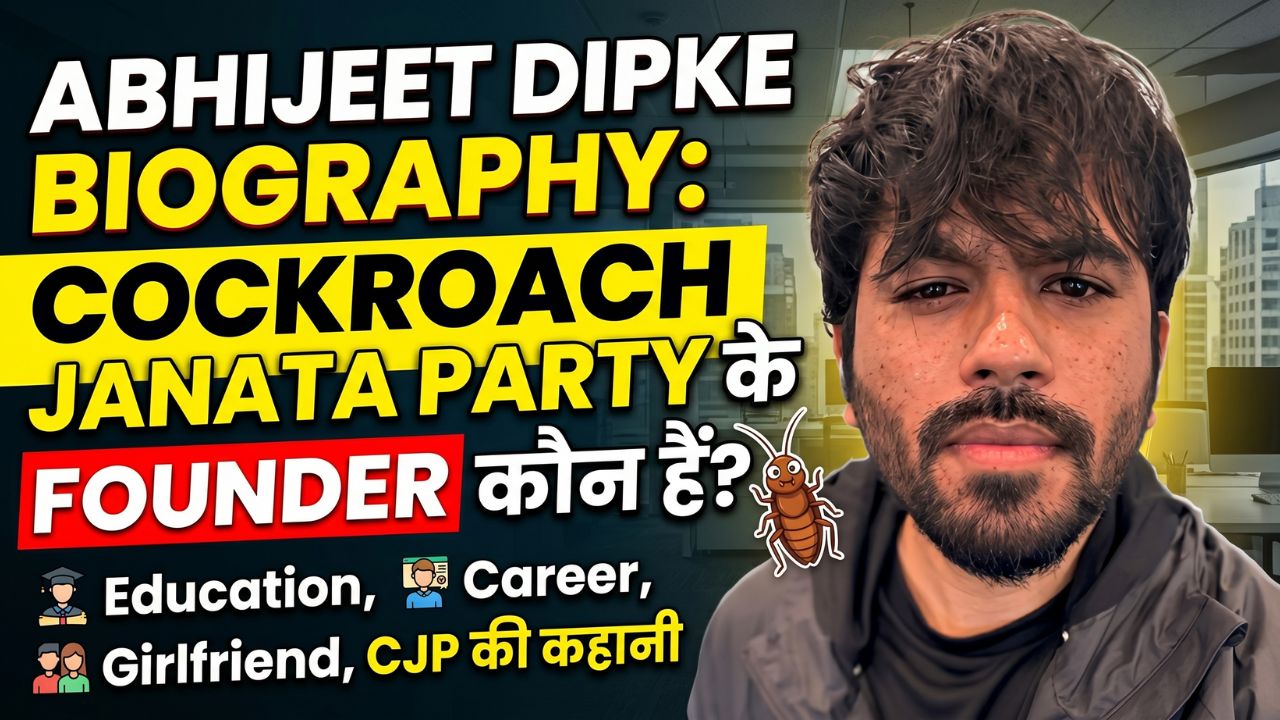
Abhijeet Dipke, a Boston University student and political strategist, turned that insult into a brand. By reclaiming a derogatory term, the movement creates an immediate “us vs. them” narrative that resonates with Gen Z. It’s a psychological flip: if the establishment calls you a cockroach, you become the cockroach—a symbol of endurance and survival.
This isn’t just about jokes. It’s about visibility. Within a week, the CJP’s Instagram page exploded to over 22.2 million followers. For many, the “cockroach” identity is a way to signal they are “unemployed and perpetually online,” turning their economic struggle into a collective identity.
Will online viral movements translate into actual political power?
There is a massive gap between “digital noise” and “street power.” While the CJP boasts millions of followers, the physical turnout in New Delhi’s protest zone was measured in the thousands. Reporting from the ground, Rebecca Bundhun noted that the crowd size didn’t fully reflect the astronomical scale seen on social media.

Supporters of Prime Minister Narendra Modi’s BJP have already dismissed the movement as a social media gimmick. They argue that meme-driven momentum is fleeting and rarely converts into votes or policy changes. However, history suggests that digital mobilization is often the first domino to fall.
The real power of the CJP isn’t in its ability to win an election today, but in its ability to frame the conversation. By demanding the resignation of Education Minister Dharmendra Pradhan over May’s exam irregularities, they’ve shifted the focus from a technical glitch to a systemic failure of the Indian education system.
How does India’s youth unrest compare to other South Asian nations?
India is not an isolated case. A broader trend is sweeping South Asia where social-media-born movements trigger real-world regime shifts. As noted in reports on regional stability, similar youth-led surges were crucial in the antigovernment protests in Sri Lanka, Bangladesh, and Nepal.
In those countries, the pattern was identical: economic desperation (inflation and unemployment) met with government dismissal, which then fueled a digitally coordinated uprising. The CJP follows this blueprint by linking a specific grievance—exam scandals—to a broader feeling of disillusionment.
The difference in India is the scale. With a much larger population and a deeply entrenched political machine, the CJP faces a steeper climb than movements in smaller neighboring states. But the core driver remains the same: a youth population that feels the “social contract” has been broken.
What happens when education scandals trigger political movements?
When a government fails to secure the meritocracy of exams, it loses the trust of its most ambitious citizens. The CJP’s protest wasn’t just about a few leaked papers; it was about the “right to education and equal opportunity,” symbolized by the books and national flags carried by protesters.
According to the Associated Press, protesters like Satya Prakash Yadav view this as a “Youth first movement.” When education—the primary ladder for social mobility in India—is perceived as corrupt or broken, the youth stop looking for jobs and start looking for alternatives to the current system.
If the government continues to treat these movements as “gimmicks,” they risk alienating a demographic that holds the keys to the country’s future economic productivity. The transition from “satire” to “serious opposition” usually happens when the state’s response is seen as overly aggressive or dismissive.
Frequently Asked Questions
What is the Cockroach Janta Party (CJP)?
The CJP is a satirical social media movement in India that uses irony and memes to protest youth unemployment and government failures in the education system.
Why is it called the “Cockroach” party?
The name is a response to comments made by India’s Chief Justice Surya Kant, who likened young government critics to “cockroaches” and “parasites.”
What are the CJP’s main demands?
The movement has specifically called for the resignation of Education Minister Dharmendra Pradhan following controversies surrounding examination irregularities.
Is the CJP a registered political party?
Currently, it operates as a parody political front and social media movement rather than a formal electoral entity.
Join the Conversation
Do you think satirical movements can actually change government policy, or are they just digital noise? Let us know in the comments below or subscribe to our newsletter for more deep dives into global political trends.