
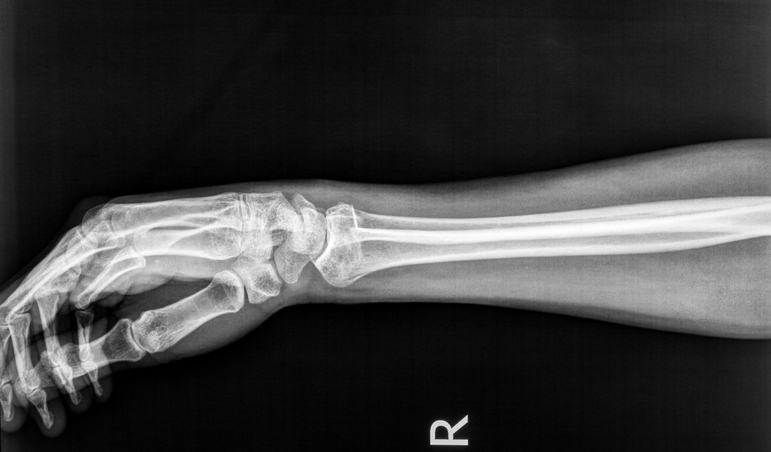
Surgery May Improve Outcomes in Arm Fractures
A national Swedish cohort study suggests that surgical treatment may lead to better one-year patient-reported outcomes compared to nonsurgical management for specific types of distal radius fractures, particularly those classified as Arbeitsgemeinschaft fur Osteosynthesefragen (AO) 23-C2 and 23-C3. The research, analysing data from 13,356 fractures across 36 hospitals between 2013 and 2018, found that surgery provided significant functional improvements in severe intra-articular fractures but not in other subtypes. The study used an instrumental variable approach to minimize treatment-selection bias, with results showing a 19.4-point improvement in outcomes for AO 23-C3 fractures and an 11.9-point improvement for AO 23-C2 fractures—both exceeding the threshold for clinically meaningful change.
Why It Matters
Distal radius fractures are common injuries, often requiring treatment decisions that balance surgical risks with functional recovery. This study highlights the importance of fracture classification in determining treatment efficacy, particularly for complex intra-articular patterns. The findings could influence clinical guidelines, emphasizing the need for tailored approaches based on fracture severity. However, the lack of benefits for other fracture types underscores the importance of avoiding unnecessary surgeries, which carry risks such as infection or complications from anesthesia.

What May Happen Next
Healthcare providers may reevaluate treatment protocols for distal radius fractures, prioritizing surgical intervention for AO 23-C2 and C3 cases while adopting stricter criteria for nonsurgical management. Future research could focus on refining fracture classification systems or exploring long-term outcomes beyond one year. The study’s authors also suggest that hospitals may need to standardize treatment selection processes to ensure patients receive the most appropriate care based on evidence.
The study’s observational design and reliance on self-reported data are noted as limitations. Researchers caution that findings should be interpreted alongside real-world clinical judgment, as factors like hospital practices and patient preferences also shape outcomes.
Frequently Asked Questions
What was the main finding of the study? Surgical treatment showed better one-year outcomes for AO 23-C2 and 23-C3 distal radius fractures compared to nonsurgical care, particularly for comminuted intra-articular patterns.

Which fracture types saw the most benefit? AO 23-C3 fractures had the largest improvement (19.4-point decrease in Arm and Hand Function Index scores), followed by AO 23-C2 fractures (11.9-point decrease).
What were the study’s limitations? The research was observational, relied on self-reported outcomes with a 40% response rate, and did not include detailed radiographic data, which could affect fracture classification.
How might these findings reshape treatment strategies for distal radius fractures in clinical practice?