

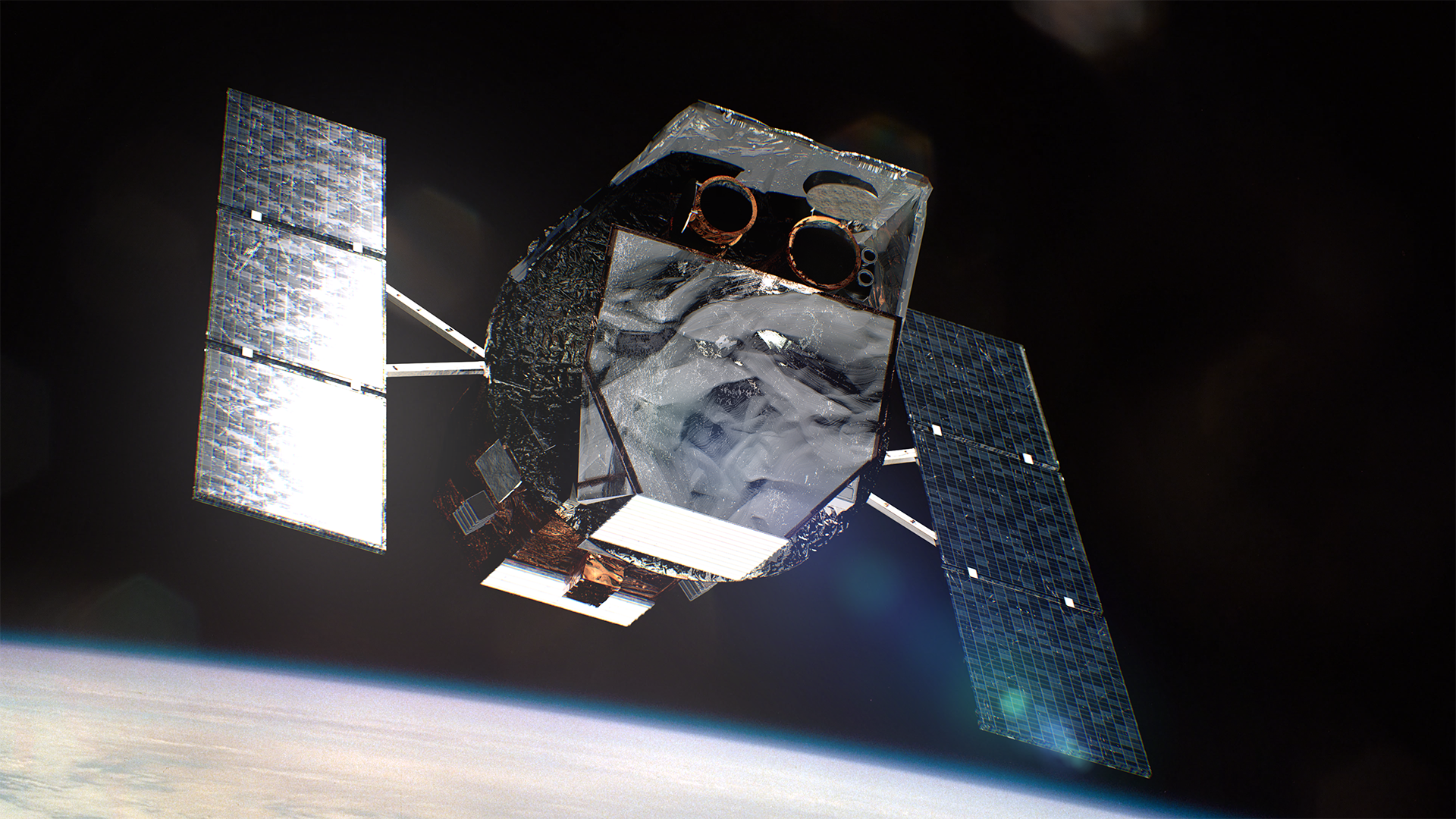
Swift thinking buys NASA observatory a little more time before re-entry
The New Era of Space Sustainability: Why Satellite Rescue is the Future
For decades, the “launch and forget” mentality defined the space industry. Once a satellite ran out of fuel or faced orbital decay, it became expensive space junk, eventually burning up in the atmosphere. However, the mission to save NASA’s Neil Gehrels Swift Observatory is signaling a radical shift in how we manage our assets in orbit.
By successfully extending the life of a $500 million observatory, NASA and its partner, Katalyst, are proving that robotic orbital servicing isn’t just a sci-fi concept—it is an economic and scientific necessity.
Swift Thinking: Buying Time in a Crowded Orbit
The recent decision to halt science operations on the Swift observatory to minimize atmospheric drag serves as a masterclass in spacecraft management. By adjusting the observatory’s orientation, flight dynamics teams were able to push its descent past the “point of no return,” moving the critical re-entry threshold from July to September 2026.
This strategy highlights a growing trend: active drag management. As solar cycles become more unpredictable, causing the Earth’s atmosphere to expand and pull low-orbiting satellites downward, the ability to “steer” a satellite to conserve altitude is becoming a vital skill for mission controllers.
The Economics of Robotic Servicing
Why spend $30 million on a rescue mission? The answer lies in the replacement cost. Building, testing, and launching a flagship observatory can cost hundreds of millions—or even billions—of dollars. Extending a mission by just a few years provides a massive return on investment, particularly for assets that are still producing high-quality scientific data.
The Katalyst mission represents a pivot toward commercial satellite servicing. As private companies develop standardized docking interfaces and autonomous navigation software, we can expect a future where “tow trucks” for satellites become a routine part of the space ecosystem.
Key Factors Influencing Orbital Decay
- Solar Maximum: Increased solar activity heats the upper atmosphere, causing it to expand and increase drag on satellites.
- Altitude Maintenance: Precision maneuvers to counteract drag are now standard for high-value assets.
- Collaborative Operations: The ability to combine NASA’s flight data with private sector robotics is the new blueprint for mission success.
Frequently Asked Questions
- Why is the Swift Observatory at risk?
- Swift is experiencing atmospheric drag, which pulls it toward Earth. Without a “reboost” mission to raise its altitude, it would eventually succumb to gravity and burn up in the atmosphere.
- What is a “reboost” mission?
- A reboost mission involves a specialized spacecraft docking with an existing satellite to physically push it into a higher, more stable orbit, effectively extending its operational life.
- Is this the first time a satellite has been rescued?
- While the Hubble Space Telescope was famously serviced by astronauts, the Swift mission is notable as a robotic rescue of an unprepared satellite, making it a pioneer for future autonomous missions.
The Road Ahead
The success of the Swift rescue mission will likely set the stage for a new industry standard. As we move toward a more sustainable space environment, the focus will shift from “disposable” hardware to modular, repairable, and upgradable spacecraft. This not only preserves scientific data but also helps mitigate the growing problem of space debris.
Interested in the latest developments in space technology? Subscribe to our newsletter for weekly updates on orbital mechanics, commercial space flight, and the future of exploration. Have a question about how satellites stay in orbit? Drop a comment below and let’s discuss!