

Tamaulipas Strengthens Ebola Surveillance Amid WHO Global Health Emergency
Tamaulipas has implemented enhanced epidemiological surveillance following the World Health Organization’s (WHO) declaration of an Ebola “Public Health Emergency of International Concern” due to rising cases in Congo and Uganda. As of June 8, 2026, state health officials confirm that while there are zero cases in Mexico or Tamaulipas, airports and international transit points are operating under strict monitoring protocols to prevent the virus from entering the region.
Enhanced Border and Airport Surveillance
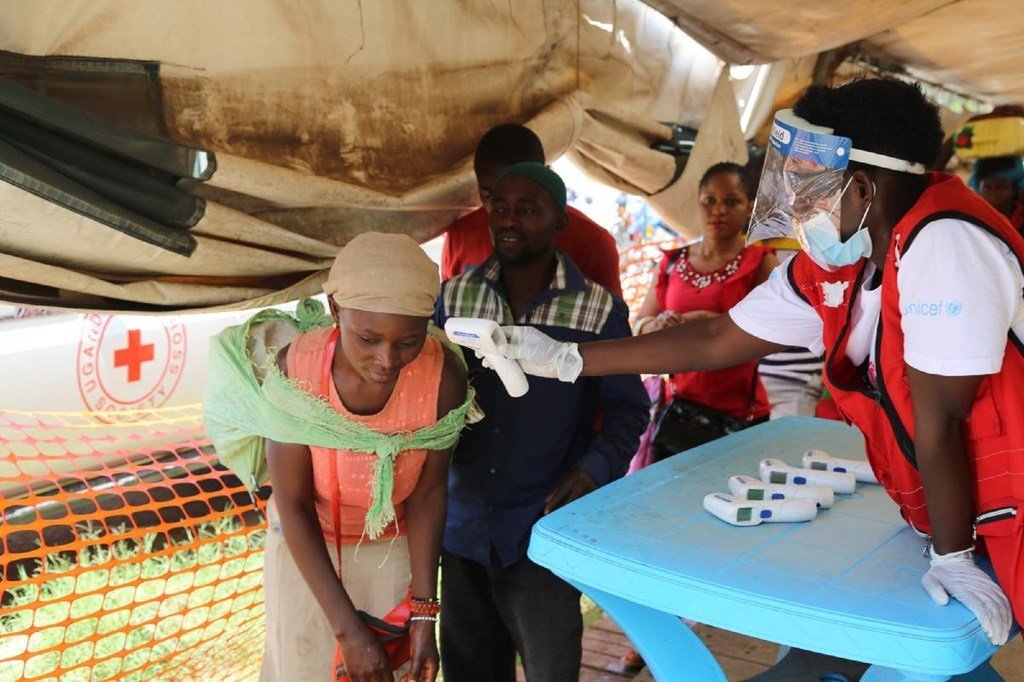
State health authorities are coordinating directly with international health officials and airport administrators to manage potential risks. According to Health Secretary Adriana Marcela Hernández Campos, the current strategy focuses on regulating passenger arrivals from affected regions rather than a total border closure. Travelers arriving from areas where Ebola has been detected are subject to a 21-day observation period to monitor for symptoms.
To support this effort, airports have been equipped with dedicated isolation areas and personal protective equipment. These measures are integrated with the state’s 12 Districts of Health for the Wellbeing to ensure rapid detection and containment. Currently, the risk level for the region remains classified as low.
Tamaulipas has successfully surpassed its regional vaccination targets, administering over 232,000 doses despite an initial goal of 217,000. Notably, the uptake for the respiratory syncytial virus vaccine reached 1,900 percent of its original target, reflecting significant public health engagement.
What May Happen Next
The state’s approach suggests that officials will likely maintain these heightened surveillance measures as long as the WHO’s international emergency declaration remains in effect. If international travel patterns shift or if case numbers in the affected African regions fluctuate, health authorities may refine their screening protocols at transit hubs. Continued public participation in existing permanent vaccination programs could also serve as a foundational element for maintaining the state’s current “zero case” status.

The decision to focus on 21-day monitoring for travelers from high-risk zones is a standard, evidence-based public health practice meant to catch potential cases during the virus’s known incubation period. By integrating this with existing primary care infrastructure, such as the 12 Districts of Health, officials are attempting to balance international connectivity with local population safety. The key challenge remains sustaining this vigilance without disrupting essential travel, while relying on the public’s demonstrated willingness to engage with state health initiatives.
Frequently Asked Questions
Are the borders of Tamaulipas closed?
No. Health Secretary Adriana Marcela Hernández Campos clarified that borders are not closed. Instead, authorities are preventing passengers from affected regions from boarding flights and placing those who do arrive under a 21-day surveillance period.
How many Ebola cases have been confirmed in Tamaulipas?
As of June 8, 2026, there are zero confirmed cases of Ebola in Tamaulipas and zero cases in Mexico.
What infrastructure is in place for detection?
Airports in the state have been equipped with isolation areas and personal protective equipment. These facilities are coordinated through the 12 Districts of Health for the Wellbeing to ensure a systematic response to potential health threats.
How do you feel about the current measures taken to protect our local communities from international health risks?