
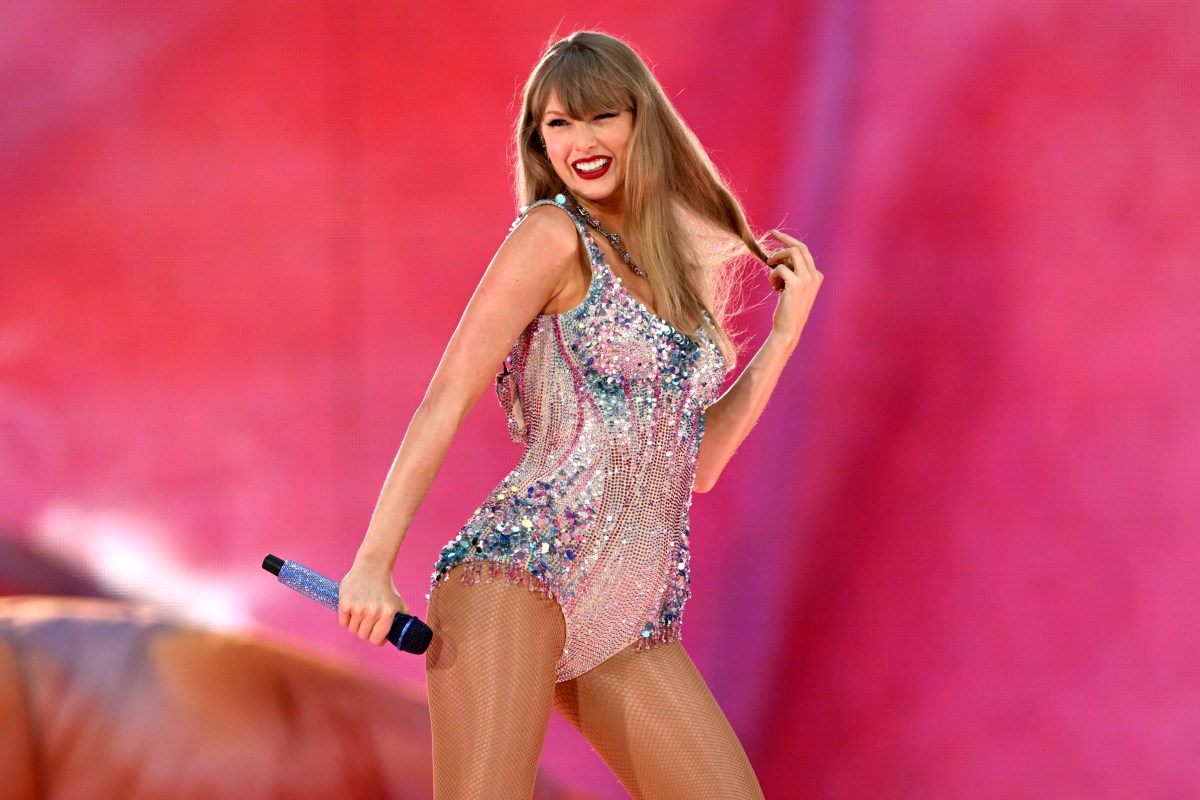
Taylor Swift Breaks Record For Most Streamed Country Song on Spotify
The New Era of the “Blockbuster Soundtrack”: Why Music-Film Synergy is Peaking
The recent collaboration between Taylor Swift and Pixar for Toy Story 5 isn’t just a marketing win; it’s a blueprint for the future of entertainment. We are seeing a shift where the soundtrack is no longer a secondary promotional tool but a primary driver of a film’s cultural footprint.

When a global powerhouse like Swift blends her narrative songwriting with a legacy franchise, it creates a “cross-pollination” effect. Fans of the music migrate to the cinema, and moviegoers stream the music on repeat, creating a feedback loop that sustains hype long after the opening weekend.
Take the Barbie movie as a prime example. The soundtrack, featuring artists like Dua Lipa and Billie Eilish, didn’t just support the film—it dominated the charts independently, proving that curated, high-profile sonic identities can extend a movie’s lifespan in the public consciousness.
The “Genre-Less” Future: The Blur Between Pop and Country
The fact that a pop icon can break Spotify records with a country track highlights a growing trend: the death of the rigid music genre. Modern listeners, especially those using Spotify and Apple Music, are “genre-agnostic.”
We are moving toward a “vibe-based” economy. Whether it’s a country ballad or a synth-pop anthem, the audience cares more about the storytelling and the emotional resonance than the technical classification of the music.
This shift allows artists to pivot their brand without alienating their core fanbase. By returning to her country roots for a Pixar project, Swift isn’t just making a song; she’s reclaiming a narrative that appeals to both her early fans and new listeners who crave “authentic,” organic sounds in an age of AI-generated music.
The Rise of “Organic” Storytelling in Digital Spaces
Notice how the rollout relied heavily on nostalgia—cowgirl costumes and childhood memories. This is a strategic move toward “human-centric” marketing. In an era of polished corporate ads, the “behind-the-scenes” emotional connection is what converts a casual listener into a loyal advocate.
Nostalgia as a High-Value Currency
The synergy between Toy Story and Taylor Swift leverages one of the most powerful psychological triggers in marketing: nostalgia. By tapping into the shared experience of growing up with Pixar, the collaboration creates an immediate emotional bond with the audience.
This is a trend we see across the board—from the revival of 90s fashion to the endless cycle of movie reboots. However, the most successful iterations are those that add a modern twist. Swift’s “musical departure” provides a fresh lens through which we view a familiar world.
For brands and artists, the lesson is clear: the most effective way to move forward is often to look back. Integrating legacy IP with current cultural icons creates a “generational bridge” that captures multiple demographics simultaneously.
Engineering the “Viral Day One”: The Science of Streaming Records
Breaking a record for the most-streamed song in a single day isn’t an accident; it’s the result of meticulous ecosystem engineering. The combination of a massive social media announcement, a high-profile film tie-in, and a loyal community ensures a concentrated spike in traffic.
As algorithms continue to prioritize “velocity” (how quickly a song gains traction), the “Event Release” model is replacing the “Slow Burn” model. One can expect more artists to synchronize their releases with major cinematic or gaming events to trigger these algorithmic surges.
You can read more about how streaming algorithms dictate modern songwriting in our deep dive into the music industry’s digital evolution.
Frequently Asked Questions
Why is the collaboration between Taylor Swift and Pixar significant?
It represents the peak of cross-media synergy, combining one of the world’s biggest music fanbases with one of the most beloved animation franchises to maximize reach and streaming numbers.
Is country music becoming more mainstream?
Yes. The “genre-blurring” trend, led by artists like Swift, is making country elements more acceptable and popular within the global pop landscape, moving away from traditional regional boundaries.
How does nostalgia affect music streaming?
Nostalgia triggers an emotional response that increases user retention and sharing. When music is tied to a nostalgic IP (like Toy Story), it encourages listeners to return to the track for comfort and sentimentality.
What do you think about the “Country-fication” of Pop?
Do you think these blockbuster collaborations are the future of music, or are they too commercial? Let us know your thoughts in the comments below or subscribe to our newsletter for more industry insights!