
Tech giant Oracle cuts 21,000 jobs as it embraces AI
Oracle reduced its global workforce by approximately 21,000 roles over the past year as the company shifts its business focus toward artificial intelligence, according to the firm’s latest annual report. Full-time employees dropped from 162,000 to 141,000 as of May 31, 2026, representing a 13% reduction in staff.
The company stated in the report that the “deployment of AI technologies across our operations have resulted, and may continue to result, in reductions to our workforce.” These cuts occurred alongside a massive investment in AI infrastructure, with Oracle planning to spend at least $50bn on data centers this year to support AI giants like Meta and OpenAI.
Why did Oracle cut 21,000 jobs?
Oracle is reshaping its business around AI. The firm’s annual report indicates that AI deployment is driving the workforce reductions. This shift has come at a high immediate cost; the company reported about $1.8bn in severance payments and restructuring costs over the past year.

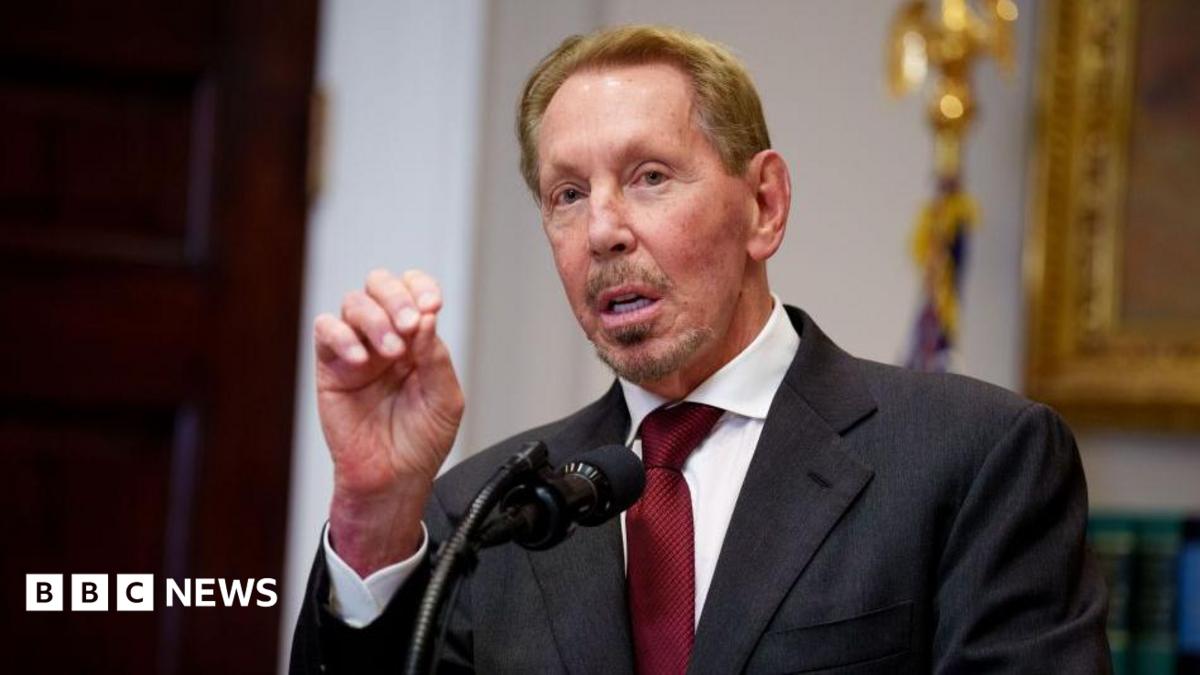
This figure is a sharp increase from the $374m restructuring bill recorded in the previous financial year. Larry Ellison, the company’s co-founder and chief technology officer, continues to lead the firm as it competes to roll out critical infrastructure for the AI sector.
How does this fit into the broader AI trend?
Oracle’s actions mirror a wider pattern across the technology sector. Employment tracking firms estimate that more than 100,000 tech workers have been laid off in the past year. Many firms are reducing staff—often their largest expense—to fund expensive AI infrastructure.
Google, Amazon, and Meta collectively plan to invest some $650bn into AI this year. Amazon, which employs over 1.5 million people, said it would cut about 30,000 jobs while planning $200bn in AI investments over the next year.
An internal note from a senior Amazon executive last October stated the company needed to be “more leanly” organized because AI allows companies to innovate faster.
What are the potential risks of these layoffs?
Oracle warned in its report that restructuring “can be disruptive.” The company noted that the reorganization may lead to a shortage of skilled workers in specific roles.
According to the filing, this talent gap could result in a loss of productivity. Such a decline in efficiency may eventually impact the company’s earnings.
Frequently Asked Questions
How many employees did Oracle have as of May 31, 2026?
Oracle had around 141,000 full-time employees, down from 162,000 the previous year.
How much is Oracle investing in AI infrastructure?
The company planned to spend at least $50bn on infrastructure this year.
What caused the increase in restructuring costs?
The costs, totaling about $1.8bn, were driven by severance payments and other restructuring expenses related to workforce reductions.
How will the shift from human labor to AI infrastructure impact long-term productivity in the tech sector?