
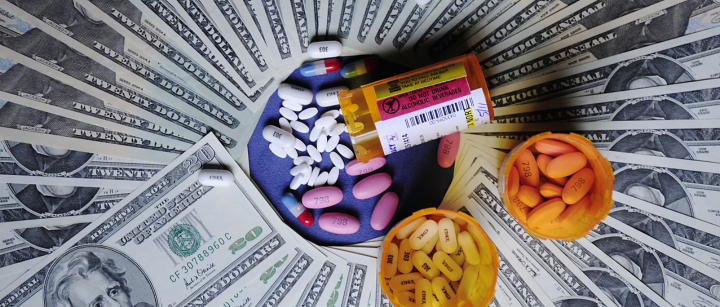
Trump’s $500 Billion Prescription Drug Savings: Fact or Fiction?
President Donald Trump’s administration claimed that its “most-favored-nation” (NMF) drug pricing policy could save U.S. patients more than $500 billion over a decade, but experts say the projection relies on unverified assumptions and voluntary agreements with pharmaceutical companies. The White House’s economic council estimated $529 billion in savings from requiring new drugs to be sold at international prices, with an additional $64.3 billion from Medicaid price reductions. However, no evidence shows companies have agreed to return these funds, and many details of the voluntary deals remain undisclosed.
The NMF policy, which aims to align U.S. drug prices with those in other high-income countries, hinges on the assumption that pharmaceutical firms will sell new medications at the second-lowest global price. This approach, however, faces skepticism due to the lack of binding legislation and the limited scope of current agreements. As of June 2023, 17 companies had signed voluntary commitments, but terms often expire after three years, raising questions about long-term sustainability.
Why the Skepticism?
Experts highlight the gap between the administration’s projections and actual implementation. Juliette Cubanski, a health policy analyst at KFF, noted that the $500 billion estimate assumes future legislation to enforce NMF pricing, which remains uncertain. “We have more questions than answers about the validity of this projection,” she said. Similarly, Jeromie Ballreich of Johns Hopkins University questioned whether companies would voluntarily accept such significant price cuts, given the potential impact on their revenues.
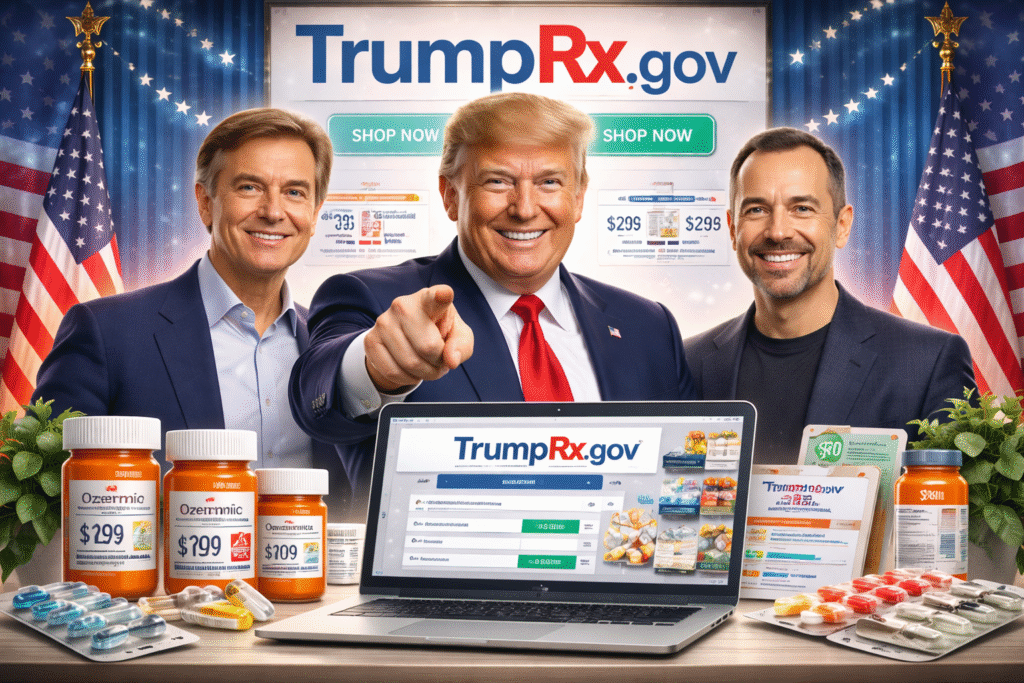
The administration’s TrumpRx website, which offers discounted cash prices for some medications, contributes minimally to the overall savings. Most of the projected savings stem from hypothetical future agreements rather than current actions. For example, the $4.6 billion in estimated savings from fertility treatments applies to a narrow group of patients, not the general public.
What Could Happen Next?
The success of the NMF policy depends on several factors, including congressional action and industry cooperation. While the White House has pushed for legislation to codify NMF pricing, many Republican lawmakers oppose government intervention in drug pricing. Additionally, pharmaceutical companies may resist price caps, citing concerns about innovation and global market stability.
If implemented, the NMF approach could reduce U.S. drug costs but might also lead to fewer new medications being developed or delayed launches in other countries. “There’s a risk that companies could prioritize markets with higher prices, undermining the policy’s goal,” said Rena Conti, a health economist at Boston University. Meanwhile, the lack of transparency in current agreements complicates efforts to verify compliance or track progress.
As the debate continues, the administration’s claims remain unproven. Without binding legislation or clearer commitments from pharmaceutical companies, the projected $500 billion in savings may remain a theoretical goal rather than a tangible outcome.
Did You Know? The White House’s $500 billion savings estimate assumes that pharmaceutical companies will sell new drugs at the second-lowest global price, but no firm agreements have been made to enforce this requirement.
Expert Insight: The NMF policy’s success hinges on untested assumptions about industry behavior and legislative action. While lower drug prices could benefit patients, the lack of accountability mechanisms and potential risks to innovation create significant uncertainties.
Frequently Asked Questions
What is the NMF policy? The “most-favored-nation” policy aims to reduce U.S. drug prices by requiring pharmaceutical companies to sell new medications at the second-lowest price paid in a group of high-income countries, including G-7 nations and Switzerland.
Why are experts skeptical of the $500 billion savings claim? The projection relies on voluntary agreements and hypothetical future legislation. Current deals with 17 companies are limited in scope and duration, and no evidence shows companies have committed to returning the estimated savings to patients.
What challenges could arise from implementing NMF pricing? Pharmaceutical companies may resist price cuts, citing reduced incentives for innovation. Additionally, other countries might reject higher U.S. prices, undermining the policy’s effectiveness and potentially delaying access to new treatments globally.
How might these policies affect drug availability in the future?