

Ten Years After Brexit: Is the UK Considering Rejoining the EU?
A decade after the United Kingdom voted to leave the European Union, a growing consensus among British voters and political analysts suggests that Brexit has not delivered the promised economic benefits. According to Anand Menon, director of the think tank UK in a Changing Europe, the failure of these projections has reopened national discourse on the potential for a formal return to the European bloc, despite the significant regulatory and political hurdles that would accompany such a reversal.
Why is the Brexit debate resurfacing now?
The primary driver for renewed interest in EU membership is the gap between the 2016 referendum promises and the current economic reality. Proponents of the “leave” campaign originally touted benefits like a “Singapore-on-Thames” model and an extra £350 million per week for the National Health Service. Neither materialized. As noted by UK in a Changing Europe, Brexit has acted as a “gradual and cumulative brake” on trade, investment, and productivity rather than causing an immediate economic collapse.
How much has Brexit actually cost the UK economy?
Quantifying the exact economic damage remains complex because the post-Brexit transition overlapped with the global disruptions of the COVID-19 pandemic and the war in Ukraine. The Office for Budget Responsibility (OBR) estimates that the UK economy will be 4% smaller in the long term than it would have been had the country remained in the EU. Other academic studies provide a wider range, estimating an impact between 2.5% and 8%.
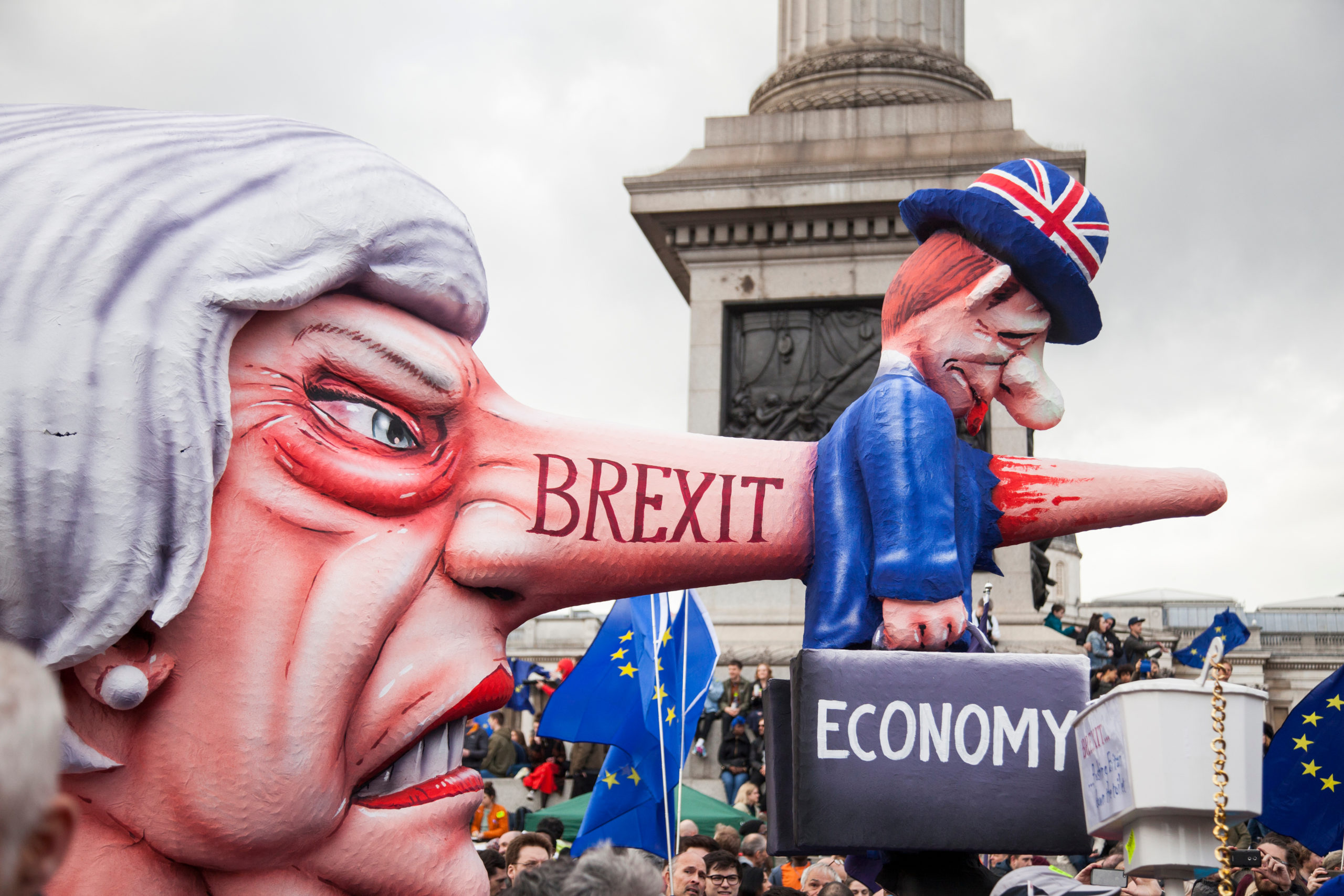
However, comparing these figures reveals a persistent tension in the data: while these projections suggest a contraction, the UK economy has actually maintained a growth rate over the last decade that outpaced major European peers like Germany and Italy. The Economist summarized this paradox by noting that Brexit did not fundamentally change daily life in Britain, but it did make it “more fastidious.”
What are the main obstacles to a potential “Brientro”?
Any attempt to rejoin the EU would likely face a hostile reception from Brussels regarding the terms of entry. According to Anand Menon, a return to the single market would almost certainly require the restoration of the free movement of people—a prospect that remains highly divisive given that immigration levels from outside the EU have reached 1.5 million annually.
Furthermore, the UK would not be eligible for its previous, more favorable terms. A formal application would likely require the UK to adopt the Euro, join the Schengen Area, and significantly increase its budget contributions. Additionally, the UK has spent years diverging from EU regulations in sectors like artificial intelligence and biomedical engineering, creating a “regulatory gap” that would be difficult to close.
Comparison of Future Pathways
| Scenario | Primary Consequence |
|---|---|
| Maintain Status Quo | Continued economic friction and trade stagnation. |
| Rejoin Single Market | Loss of regulatory autonomy and return of free movement. |
| Full Re-entry | A decade of “nasty” negotiations and loss of the pound sterling. |
Frequently Asked Questions
- Is the UK officially planning to rejoin the EU?
No. While the current Labour government, led by Keir Starmer, has prioritized closer ties, no formal application for re-entry has been submitted. - Did the City of London collapse after Brexit?
Contrary to early fears, the City of London did not empty; it has undergone a period of revitalization and remains a global leader in professional and financial services. - Why hasn’t immigration decreased?
While EU-based immigration decreased significantly, non-EU immigration from regions like Asia and Africa rose, leading to record-high total migration figures.
What do you think is the path forward for UK-EU relations? Share your thoughts in the comments below or subscribe to our weekly policy newsletter for ongoing analysis of the post-Brexit landscape.