

Tesla Teases the Possibility of Tri-Motor, Model 3 Plaid
The Plaid Dilemma: Why a Tri-Motor Model 3 Is the Next Logical Leap
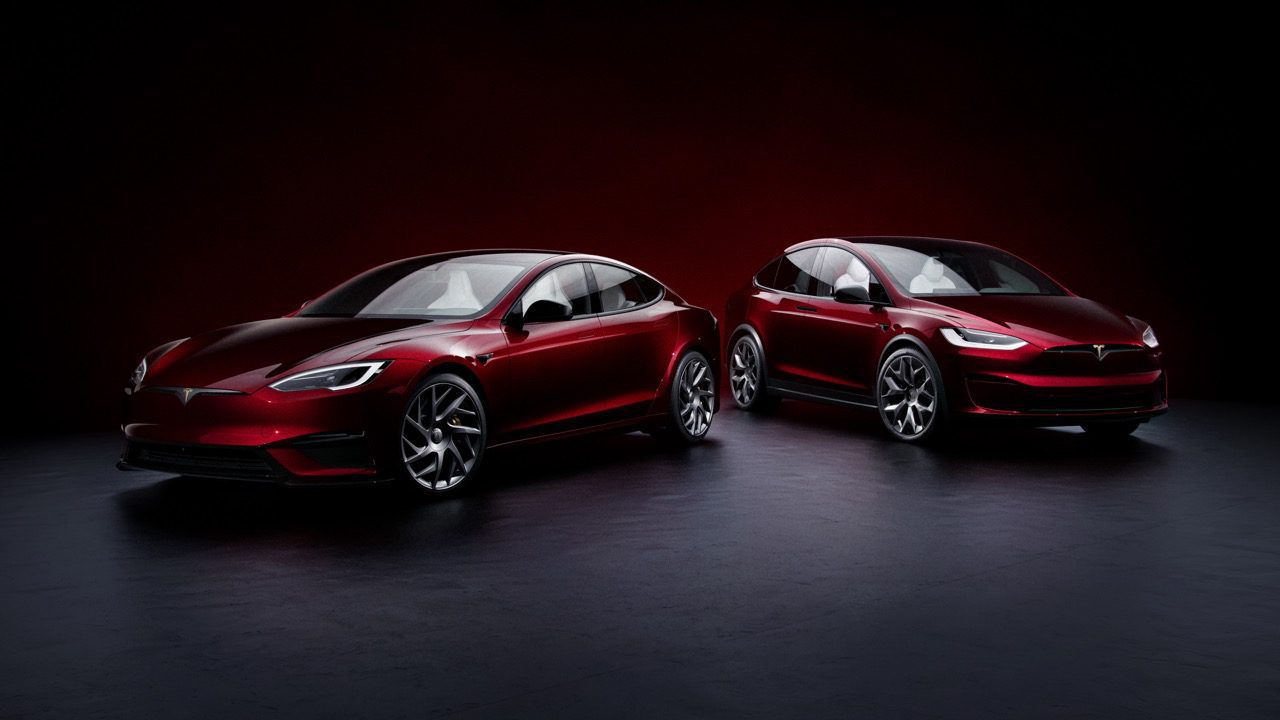
With Tesla effectively retiring the legacy Model S and Model X, a performance vacuum has emerged at the top of the brand’s hierarchy. While the current refreshed Model 3 Performance is a masterclass in handling and daily usability, it lacks the raw, neck-snapping “Plaid” acceleration that defined the company’s flagship era. Enter Lars Moravy, Tesla’s Vice President of Vehicle Engineering, who has confirmed what enthusiasts have long suspected: a tri-motor Model 3 is more than just a pipe dream—it’s a persistent engineering thought experiment.
The Engineering Hurdle: Carbon-Sleeved Power
The secret sauce behind the original Model S Plaid’s dominance lies in its carbon-sleeved electric motors. These units are capable of sustained high-output performance that traditional copper-wound motors simply cannot match. Integrating this technology into the significantly smaller footprint of the Model 3 is no small feat.
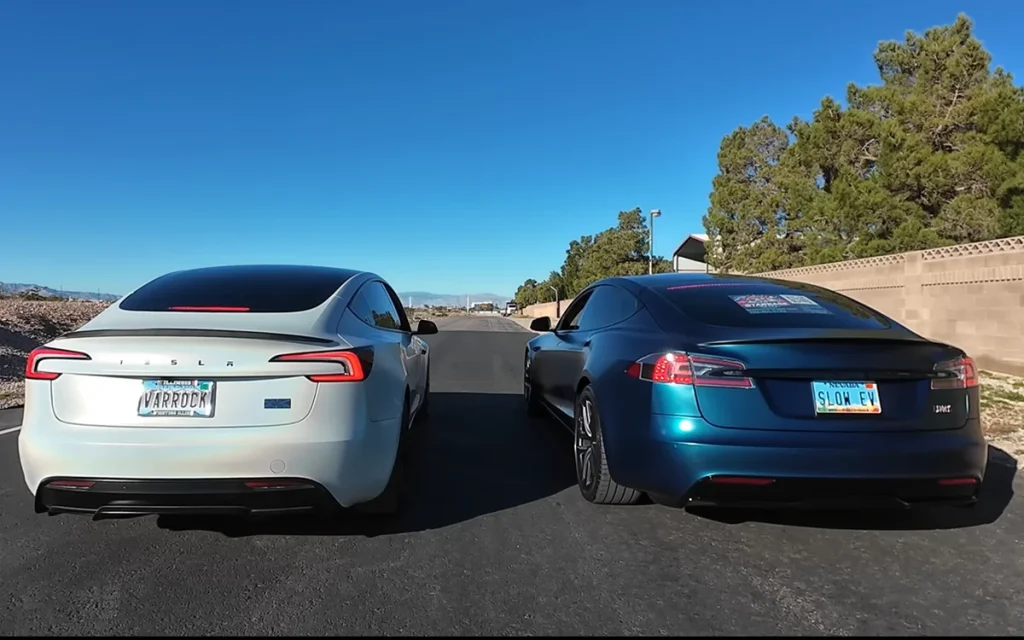
Moravy’s comments on the Ride the Lightning podcast reveal that the challenge isn’t just about power; it’s about packaging. Fitting a third motor into the rear subframe of a Model 3 would require a complete rethink of the vehicle’s structural layout. It’s a “tight squeeze,” but the potential for a sub-2-second 0-60 mph time in a compact sedan format is a siren song for any performance engineer.
The Roadster Bottleneck: Prioritizing Innovation
If the engineering team is so keen on the idea, why haven’t we seen a prototype? The answer lies in Tesla’s “work for reward” philosophy. As it stands, the company’s engineering bandwidth is heavily concentrated on the upcoming next-generation Roadster.
The Roadster is intended to be the ultimate showcase for Tesla’s latest motor technology. By prioritizing the flagship Roadster, Tesla ensures that its most advanced hardware receives the necessary R&D budget. Once that vehicle moves into mass production, the manufacturing processes—and the motors themselves—become “trickle-down” candidates for the rest of the fleet. This is the classic Tesla playbook: innovate at the top, scale to the masses.
Future Trends in EV Performance
We are entering an era where “Performance” is no longer defined by engine displacement, but by software-defined power delivery and motor efficiency. As battery tech evolves, we expect to see:
- Modular Drive Units: Increased standardization of motor sizes to allow for easier “tri-motor” upgrades across different platforms.
- Thermal Efficiency: Advanced cooling systems that allow smaller vehicles to maintain peak acceleration for longer durations.
- Weight Optimization: As battery density improves, the weight penalty of adding a third motor will become negligible, making high-performance variants easier to produce.
Frequently Asked Questions
- Could a tri-motor Model 3 actually reach production?
- While not currently in the roadmap, Tesla’s leadership has acknowledged the technical possibility. If demand for a halo performance sedan grows, the engineering groundwork is already being considered.
- What is the main benefit of carbon-sleeved motors?
- Carbon sleeves provide structural integrity to the rotor at extremely high speeds, preventing deformation and allowing for higher RPMs and sustained power output without overheating.
- Why is Tesla prioritizing the Roadster over a faster Model 3?
- The Roadster serves as a technological “halo” car. Tesla prioritizes the development of new motor tech on its most expensive vehicle before scaling that efficiency down to more affordable, high-volume models like the Model 3.
What do you think? Should Tesla prioritize a “Model 3 Plaid” to reclaim its performance crown, or stick to the Roadster roadmap? Let us know your thoughts in the comments below or join the discussion on our community forums.