
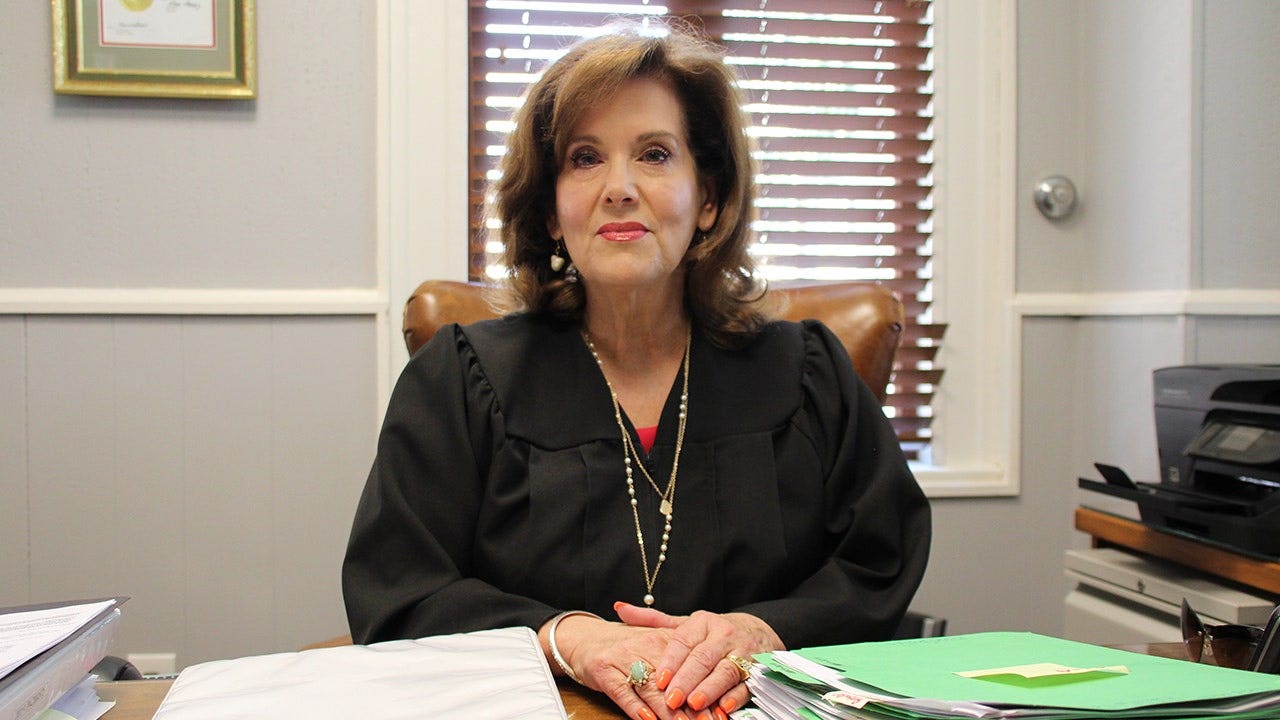
Texas Judge Awarded $640,000 After Refusing to Officiate Same-Sex Weddings
A Texas justice of the peace has been awarded more than $640,000 following a legal dispute over her refusal to officiate same-sex weddings. The District Court of Travis County ruled in favor of Judge Dianne Hensley, determining that her religious freedom rights were violated when she faced disciplinary action for declining to perform the ceremonies based on her Christian faith.
Details of the Court Award
The court-ordered payment includes $10,000 in damages for the violation of Hensley’s rights and approximately $630,000 to cover legal fees. According to the First Liberty Institute, which represented the judge alongside attorney Jonathan F. Mitchell, the ruling concludes an eight-year legal process. The State Commission on Judicial Conduct, which originally initiated the disciplinary action, has declined to comment on the court’s decision.
Did You Know? Before the legal resolution, Judge Dianne Hensley implemented a referral system to ensure that couples whose weddings she declined to perform could still obtain services from another officiant without facing additional costs or delays.
Background of the Disciplinary Action
The conflict began in 2018 when the State Commission on Judicial Conduct issued a warning to Judge Hensley. According to Hiram Sasser, executive general counsel for the First Liberty Institute, the commission indicated that if Hensley continued to perform any marriages while refusing to conduct same-sex weddings, she would face further disciplinary consequences. Hensley maintained that her actions were a matter of balancing her religious commitments with her public service duties.
Expert Insight: Samantha Carter notes that this case highlights the ongoing legal tension between public office obligations and the exercise of personal religious beliefs. The focus remains on whether government officials can maintain their own faith commitments while serving the public, a question that has frequently led to litigation involving service providers and civil servants across the United States.
Potential Future Implications
The resolution of this case may influence how state commissions approach religious accommodation for judicial officers. Sasser noted that the Texas Supreme Court has since amended its rules to allow for religious accommodation in such instances. Furthermore, the state legislature has taken steps to reform the membership and internal structure of the commission. These changes could potentially prevent similar disciplinary scenarios from occurring in the future, though the long-term impact on judicial conduct rules remains subject to further application by the state.

Frequently Asked Questions
Why was Judge Dianne Hensley disciplined?
The State Commission on Judicial Conduct disciplined Hensley because she declined to officiate same-sex weddings, citing her Christian faith.
What was the outcome of the lawsuit?
A District Court in Travis County found that Hensley’s religious freedom rights were violated and awarded her $10,000 in damages, plus approximately $630,000 for her legal fees.
How did Hensley handle wedding requests she declined?
According to the First Liberty Institute, Hensley established a referral system to ensure that couples could receive services from another officiant without incurring extra costs or experiencing delays.
How do you believe the balance between public service mandates and personal religious convictions should be managed in the legal system?