
Thai Tourist Saved by Emergency Surgery at Ho Chi Minh City Hospital
When travelling abroad, a medical emergency can be a terrifying prospect, compounded by the stress of navigating an unfamiliar healthcare system. Recently, a 32-year-old Thai national, identified as PMA, experienced this firsthand while visiting Vietnam. After suddenly suffering from severe abdominal pain, dizziness, and fatigue, she found herself in a vulnerable position, far from home and in urgent need of professional medical intervention.
The situation escalated quickly, prompting an emergency call from her hotel. An emergency team from the Nam Saigon International General Hospital in Ho Chi Minh City responded immediately. By providing first aid while still in the ambulance, the medical staff were able to stabilize the patient’s condition and alleviate the panic and anxiety she felt regarding her sudden illness.
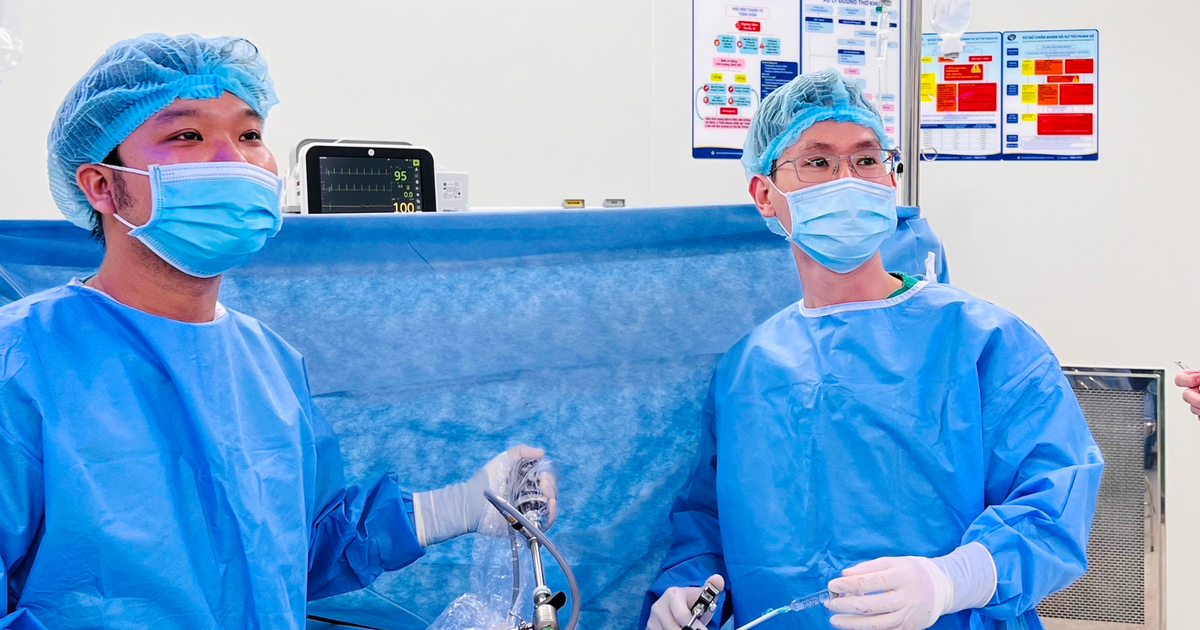
The medical team at Nam Saigon International General Hospital utilized laparoscopic surgery to treat the patient, a minimally invasive technique that helped reduce the required post-operative observation time and facilitated a faster recovery.
Diagnosis and Emergency Intervention
Upon arrival at the hospital, diagnostic testing confirmed that PMA was suffering from intra-abdominal bleeding caused by a ruptured corpus luteum cyst. Dr. Mai Van Dung, a specialist in general surgery at the hospital, noted that while this condition involves a benign growth, the associated rupture of ovarian blood vessels can lead to severe, life-threatening internal hemorrhaging if not addressed with rapid hemostasis.
To ensure the best outcome, the hospital activated an emergency protocol designed to shorten the time between diagnosis and treatment. By coordinating across multiple departments, the medical team ensured that the patient received care during the critical “golden hour.” The surgery, which was performed successfully in approximately one hour and 30 minutes, stabilized the patient’s condition.
The ability of healthcare institutions to provide clear, empathetic communication alongside clinical expertise is vital for international travelers. For patients in foreign environments, the psychological support provided by medical staff is as essential as the surgical intervention itself in ensuring a safe and successful recovery.
Implications for International Travelers
This incident underscores the growing necessity for robust emergency medical infrastructure in major tourist hubs. As international travel continues to rise, the capability of hospitals to manage acute, unexpected medical crises for foreign citizens—while simultaneously maintaining a supportive, informative environment—serves as a key component of a safe travel experience.
Looking ahead, It’s likely that hospitals in popular tourist destinations will continue to refine these multidisciplinary emergency protocols. By prioritizing both clinical efficiency and patient communication, medical facilities may better prepare for similar urgent cases, potentially minimizing the long-term health risks for travelers who experience sudden medical complications while abroad.
“When I got out of the ambulance, I was so scared because I was in a strange country,” the patient said. “But throughout the treatment process, everyone from the doctors to the nurses explained the situation clearly and treated me with such care and consideration that I felt much more at ease.”
Frequently Asked Questions
What condition was the patient diagnosed with?
The patient was diagnosed with a ruptured corpus luteum cyst, which resulted in intra-abdominal bleeding due to the rupture of blood vessels within the ovary.
How was the medical emergency managed?
The patient received immediate first aid in an ambulance, followed by rapid diagnostic testing and a laparoscopic surgery that lasted approximately 90 minutes.
What role did the medical staff play beyond surgery?
The medical team provided continuous support and information throughout the treatment process to ensure the patient maintained emotional stability while in an unfamiliar environment.
How do you prepare for potential medical needs when planning a trip to a foreign country?