
Math Teacher Targeted in Mortar Attack at French High School
The Escalation of Classroom Violence: Beyond the Breaking Point
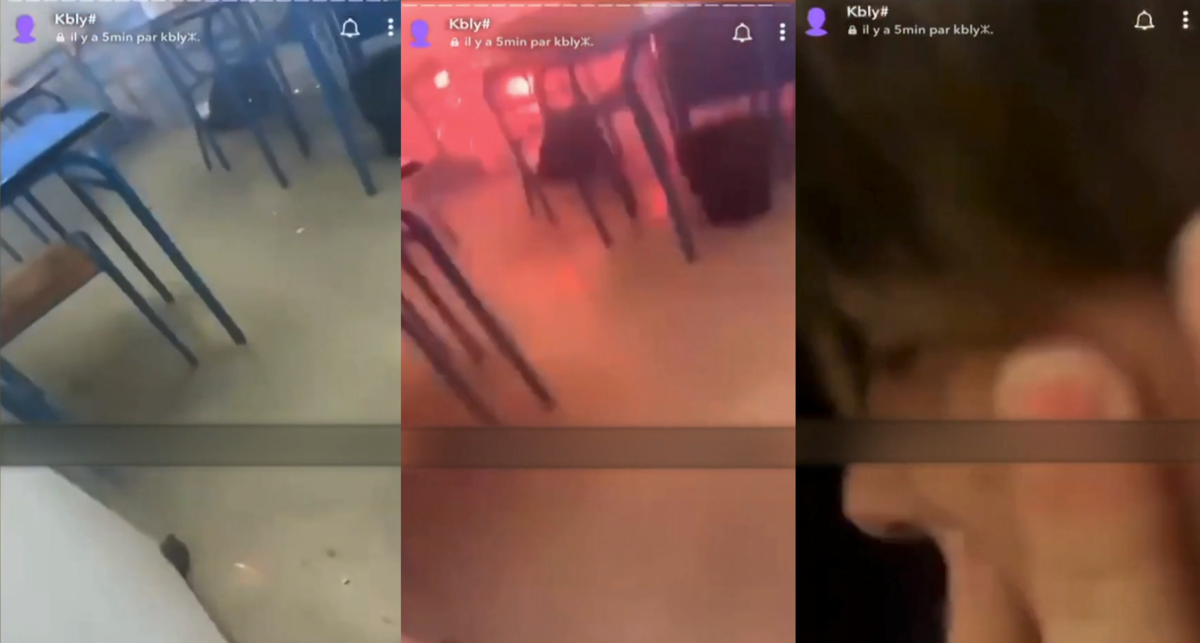
The recent shock of a mortar being detonated inside a mathematics classroom is more than just an isolated act of delinquency; it is a symptom of a deepening crisis in global education. We are witnessing a shift where classroom disruptions are evolving from verbal defiance into targeted, high-risk physical aggression.
For decades, “difficult classes” were managed with detention, and suspension. However, these traditional disciplinary measures are proving insufficient against a new wave of volatility. The trend is moving toward a reality where educators are no longer just instructors, but first responders in an increasingly unstable environment.
The Rise of Targeted Aggression
One of the most concerning trends is the move from generalized chaos to targeted attacks. When a teacher is specifically singled out—especially one who has already sought legal or administrative protection—it indicates a breakdown in the “social contract” of the classroom.

Industry experts suggest that when students perceive administrative responses as “too little, too late,” they may escalate their behavior to regain a sense of power. This creates a dangerous feedback loop where the teacher becomes a symbol of an authority they no longer respect.
The “Revolving Door” Teacher Phenomenon
When a single classroom sees multiple teachers replaced within a single school year, it creates a power vacuum. This “revolving door” effect often emboldens students, as they realize that the adult in the room is temporary and potentially fragile.
Future trends in school administration are now focusing on stability-first staffing. Instead of simply replacing a departed teacher with a new hire, schools are beginning to implement “co-teaching” models or adding behavioral specialists to the room to ensure that the transition of power doesn’t lead to an escalation in violence.
For more on how staffing affects student outcomes, see our analysis on the impact of teacher turnover on learning.
The Digital Echo Chamber: Social Media as a Catalyst
The fact that the mortar incident was filmed and immediately uploaded to Snapchat highlights a terrifying modern trend: the gamification of school violence. In the past, a prank or an attack was a localized event. Today, it is a performance for a digital audience.
The drive for “clout” or viral status encourages students to push boundaries further than they would have in the pre-smartphone era. We are seeing a trend where the desire for social media validation outweighs the fear of disciplinary consequences.
This digital amplification doesn’t just spread the event; it recruits others. When a “successful” act of defiance goes viral within a school, it provides a blueprint for other students to follow, leading to a contagion effect of misconduct.
From Rigid Discipline to Predictive Intervention
The future of school safety is shifting away from reactive punishment (suspensions) toward predictive intervention. The goal is to identify the “red flags” long before a mortar enters a classroom.
AI and Behavioral Analytics
Some forward-thinking districts are exploring the use of behavioral analytics to track patterns of escalation. By monitoring attendance, sudden drops in grades, and social media sentiment, schools hope to intervene with mental health support before a student reaches a breaking point.
The Integration of Mental Health Professionals
We are seeing a trend toward “Embedded Support,” where psychologists and social workers are not tucked away in an office but are active participants in the classroom. This removes the stigma of seeking help and allows for real-time de-escalation.
For a deeper dive into these technologies, you can explore the UNESCO guidelines on school safety and wellbeing.
Frequently Asked Questions
Why is classroom violence increasing globally?
A combination of post-pandemic social anxiety, the amplifying effect of social media, and a systemic decline in parental and administrative support for teachers has created a “perfect storm” for volatility.
Can “zero tolerance” policies stop these incidents?
Data suggests that zero-tolerance policies often alienate students further without addressing the root cause, sometimes leading to more extreme acts of rebellion rather than preventing them.
What is the most effective way to protect teachers?
The most effective approach is a hybrid of physical security, strong administrative backing (where teachers feel supported in their disciplinary decisions), and early psychological intervention for at-risk students.
Join the Conversation
Is the current education system doing enough to protect its teachers? Or have we focused too much on student rights at the expense of educator safety? Share your thoughts in the comments below or subscribe to our newsletter for more insights on the future of education.