

The Art and Logistics of Costume Design for Film and Television
Leading costume designers for television’s most prominent series report that the profession requires a balance of creative vision and logistical management of labor and budgets. During a recent panel discussion moderated by Jim Hemphill, designers including Sarah Evelyn, Trayce Gigi Field, Rudy Mance, Kathleen Felix-Hager, and Natasha Newman-Thomas detailed how the industry demands high-level organizational skills alongside artistic talent to ensure production schedules are met.
Did You Know? Costume designers often spend their workdays managing labor and budget constraints rather than focusing solely on design, with some professionals noting they may only dedicate 75 seconds of a day to pure creative work.
The Reality of Costume Design Logistics
While audiences see finished silhouettes and color palettes on screen, the designers behind Emmy-contending shows emphasize that the job is fundamentally split between art and administration. According to Trayce Gigi Field, who worked on Spider-Noir, the role is “half organization and half creative.” She noted that designers must possess the specific skills required to negotiate financial requirements with producers to ensure the project remains viable.
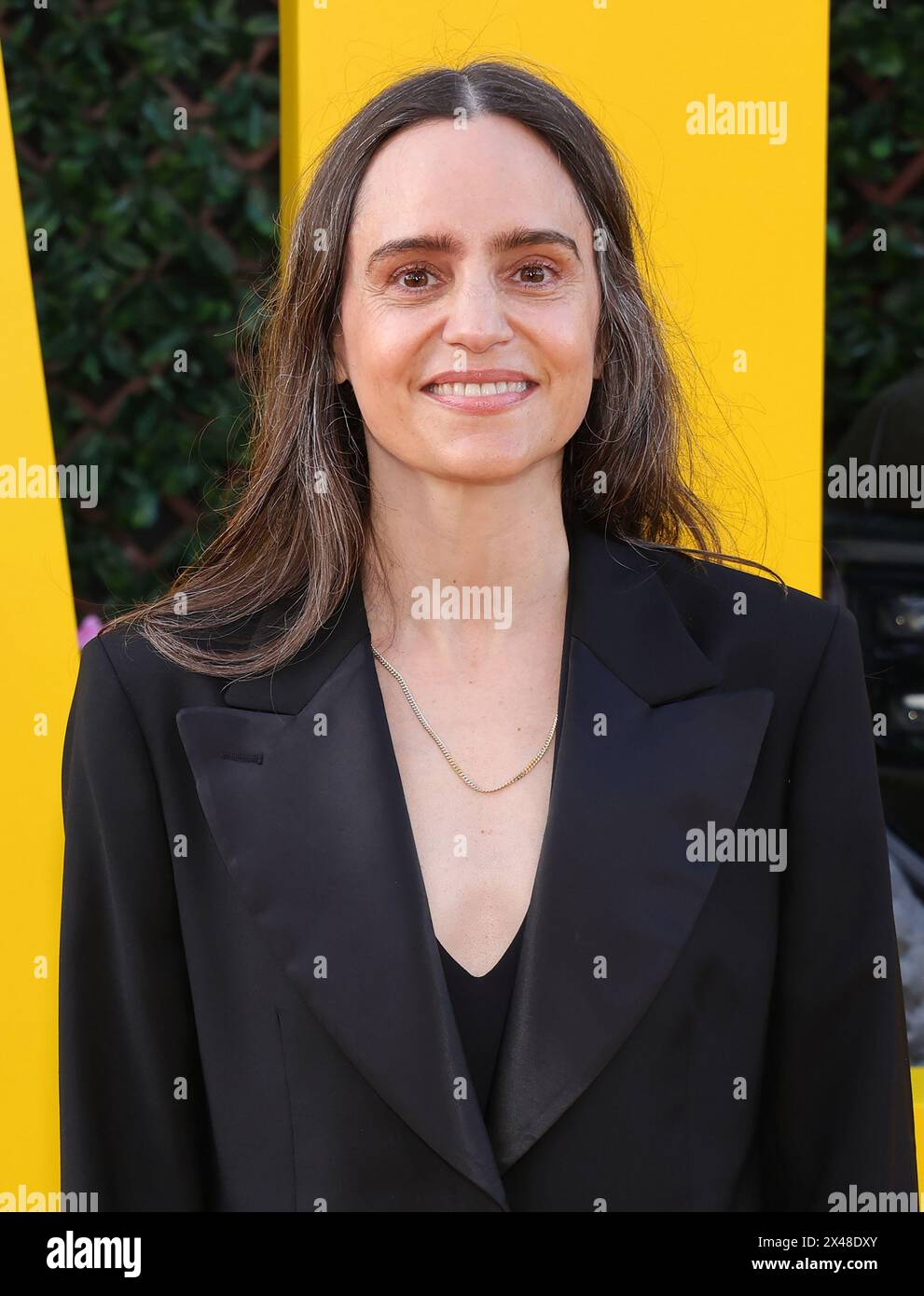
Sarah Evelyn, designer for The Beauty, echoed these sentiments, stating that the logistical burden often overshadows the artistic elements of the role. Evelyn explained that the demands of budget management and labor oversight can consume an entire day, leaving little time for the actual design process that the public associates with the craft.
Expert Insight: The transition from creative visionary to department manager is a common, though often overlooked, evolution in television production. As production budgets tighten, the designer’s ability to allocate resources effectively may become as essential to their career longevity as their aesthetic sensibilities.
What May Happen Next
As the conversation surrounding the technical craft of television continues to grow, viewers may see an increase in behind-the-scenes content that highlights these logistical trade-offs. It is likely that future industry roundtables will continue to bridge the gap between audience perception of “glamorous” design work and the reality of the production office. Furthermore, as designers continue to speak publicly about the necessity of financial literacy in their roles, production studios might adjust how they integrate costuming departments into the broader budgetary planning phases of television development.
Frequently Asked Questions
Who participated in the costume design panel?
The panel featured Sarah Evelyn (The Beauty), Trayce Gigi Field (Spider-Noir), Rudy Mance (Love Story), Kathleen Felix-Hager (Hacks and The Paper), and Natasha Newman-Thomas (Euphoria).

Why do costume designers emphasize logistics?
Designers emphasize logistics because their roles involve significant responsibility for labor management and budget allocation, which they report often consumes more time than the actual creative design work.
Where can the full discussion be viewed?
The panel is currently available via the PBS App, PBSSoCal, and IndieWire.com.
How do you think the visibility of these behind-the-scenes challenges changes the way audiences appreciate their favorite television shows?