
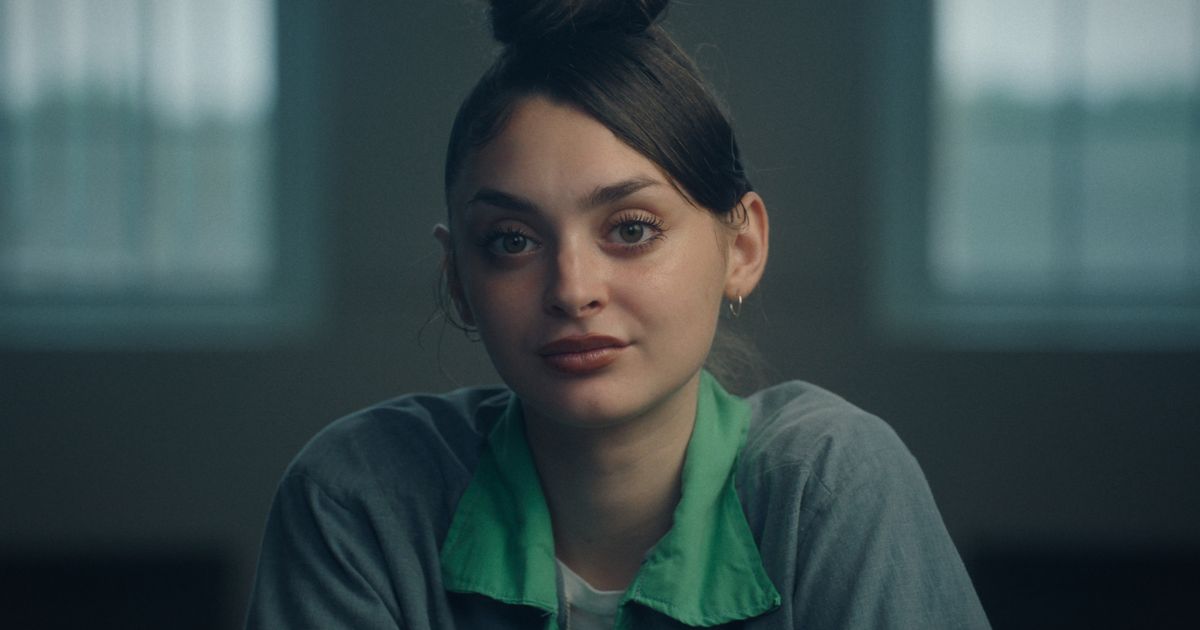
The Crash: How Social Media and TikTok Shaped the Mackenzie Shirilla Case
The Netflix documentary The Crash examines the tragic deaths of Cleveland locals Dominic Russo and Davion Flanagan. The incident occurred when Mackenzie Shirilla, who was 17 at the time, drove the three of them into a brick wall at 100 mph.
As a result of the tragedy, Shirilla was sentenced to two life sentences, one for each death. The court noted the possibility of parole after 15 years.
The Role of Digital Evidence
A central theme of the case involves the abundance of Shirilla’s social media activity. Assistant prosecutor Tim Troup introduced posts to the court to demonstrate a “shocking lack of remorse,” including an instance where Shirilla and friends dressed as corpses on the Halloween following the crash.

However, this evidence highlighted a stark generational divide. Shirilla’s friend, Rosie Graham, argued they were actually dressed as Playboi Carti, noting that the makeup was a specific onstage look known to many in their age group.
The prosecution further argued that Shirilla’s desire to be an influencer and model indicated a shallow character, which they linked to her guilt. This narrative was echoed in ID’s Mean Girl Murders episode, “Under the Influence,” which suggested her interest in clothing and fame proved a cruelty in her character.
Contradictory Personas and Courtroom Tension
The legal proceedings showcased a conflict between Shirilla’s spirited online presence and the image of victimhood presented by her lawyers, and family. While prosecutors played TikTok montages of her flipping off the camera to disprove letters asking for leniency, other footage from the trial showed her appearing overwhelmingly sorry.
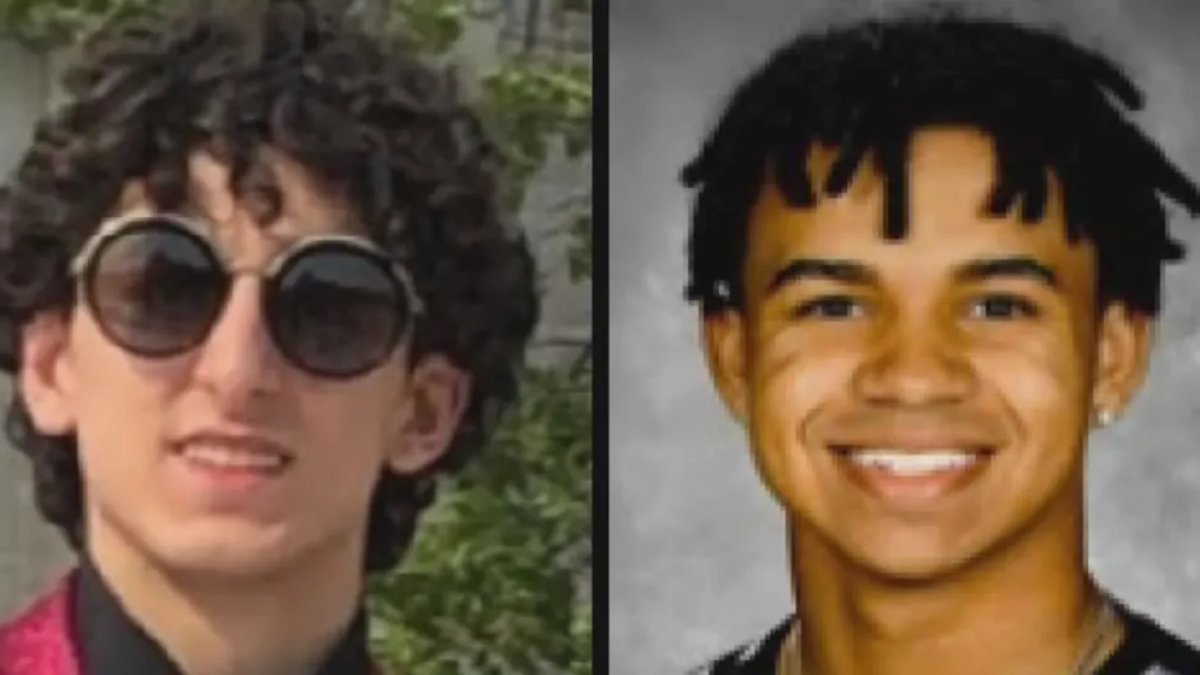
Beyond the social media posts, more damning evidence was presented, including a video taken by Russo of the two fighting through a closed door. This suggested a tumultuous relationship between the 17-year-old Shirilla and the 20-year-old Russo.
Additional tension arose when the families of the victims discovered Shirilla and her mother interacting with a brand shortly after the accident, suggesting an attempt to secure a deal while Shirilla was still hospitalized.
The Digital Court of Public Opinion
The case has continued to evolve on TikTok, where Gen Z users analyze the tragedy. A woman claiming to be Shirilla’s ex-girlfriend from prison has shared details of their courtship, while other former prison peers have weighed in on her character.
Family members have also used the platform for awareness. Davion Flanagan’s sister, Davyne, has argued that lax upbringing contributed to Shirilla being “intellectually behind” and prone to nicotine addiction and underaged drug use.
Future Implications
The case may continue to be litigated in the “digital court of scrolling” as long as involved parties continue to post. Future legal discussions regarding the case could further examine the weight assigned to social media behavior during sentencing.

the ongoing public discourse may lead to further revelations from former associates or peers of Shirilla, which could continue to shape her public legacy.
Frequently Asked Questions
What was the speed of the vehicle during the crash?
The vehicle was traveling at 100 mph when it hit a brick wall.
What is the possibility of parole for Mackenzie Shirilla?
Shirilla was sentenced to two life sentences with the possibility of parole after 15 years.
How did the prosecution use TikTok in the trial?
The prosecution played a montage of TikToks, including images of Shirilla posing in a mirror and flipping off the camera, to argue that her actual character contradicted the lenient image presented in letters submitted on her behalf.
How should the legal system balance digital personas with real-world evidence in criminal trials?