
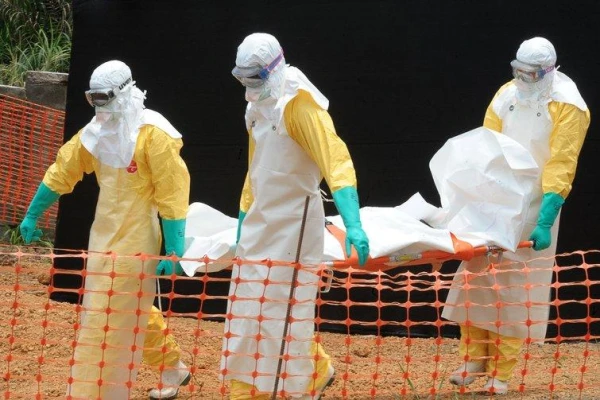
The Ebola outbreak in Congo has been called a ‘dress rehearsal’ for a global pandemic
A rare strain of the Bundibugyo virus is spreading in the Democratic Republic of the Congo, presenting a significant challenge to global health systems. According to Thomas Bollyky, director of the global health program at the Council on Foreign Relations, current vaccines, medications, and testing systems are currently ineffective against this specific mutation. The virus has already crossed borders, with cases identified in Uganda, the UAE, and Germany.
Why this outbreak poses a unique threat
The primary concern for health authorities is the biological nature of the pathogen. This specific Bundibugyo strain has been documented only twice in history, rendering existing medical countermeasures powerless. Thomas Bollyky attributes the difficulty in containment to an intersection of a new global health system that lacks necessary social and governmental support. He notes that post-COVID-19 skepticism has created a hostile environment for global health initiatives, effectively stripping away a vital layer of protection for the public.
Did You Know? The Bundibugyo strain of the virus currently circulating in the Congo is extremely rare, having been observed by scientists only twice in recorded history.
Geopolitical and logistical challenges
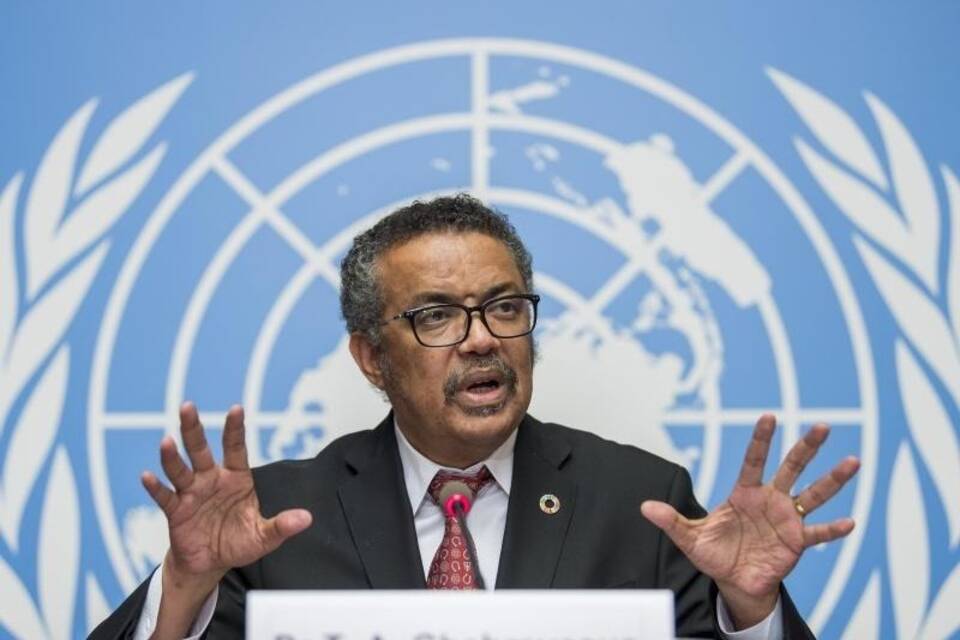
The spread of the infection is complicated by regional instability. WHO Director-General Tedros Adhanom Ghebreyesus, following a visit to the Congolese province of Ituri, described the situation as a “catastrophic intertwining of disease and conflict.” This instability has hampered efforts to contain the virus, which has already moved beyond the region. Infected individuals have been tracked in Uganda and the UAE, while one American missionary required an urgent medical evacuation to Germany for treatment.
Expert Insight: The intersection of geopolitical conflict and a novel viral mutation creates a high-stakes environment where traditional containment protocols may fail. Without effective diagnostic tools or vaccines, the risk of further international transmission remains a primary concern for global health officials.
What could happen next
The lack of existing medical tools suggests that identifying and isolating infected individuals will remain an arduous task for the global community. Analysts expect that if the current trend of limited support for health initiatives continues, containment efforts may face further delays. There is a possibility that the virus could continue to appear in distant locations as people move across borders, potentially complicating monitoring efforts in countries that have not yet established specific testing protocols for this rare strain.
Frequently Asked Questions
What makes this outbreak different from previous ones?
The current outbreak involves a rare strain of the Bundibugyo virus that has only been seen twice before, and all existing vaccines and test systems are currently ineffective against it.
How has the virus spread internationally?
The infection has been recorded in Uganda, and cases have been identified in the UAE and Germany, the latter involving an American missionary evacuated for treatment.
Why is containment difficult according to experts?
Thomas Bollyky points to a lack of social and governmental support following the COVID-19 pandemic, while WHO Director-General Tedros Adhanom Ghebreyesus highlights the “catastrophic intertwining of disease and conflict” in the affected regions.
How should international health systems adapt when faced with pathogens that bypass existing medical defenses?