
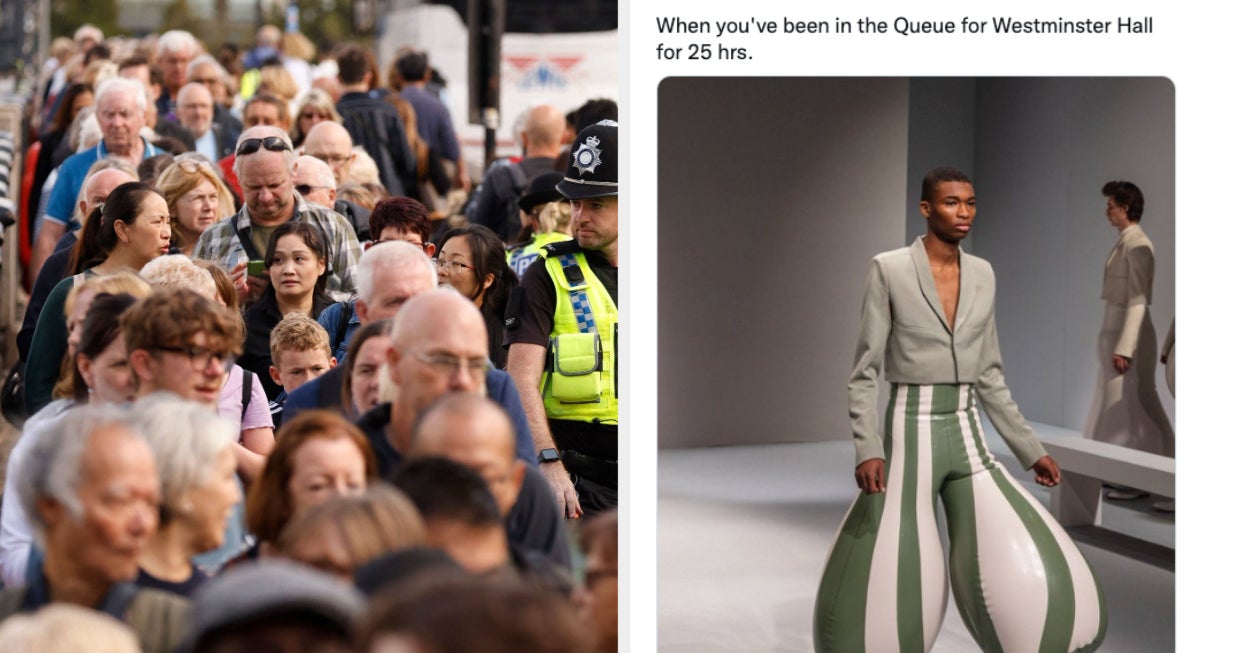
The Final Boss of British Queues
British queuing culture is evolving from a physical act of social patience into a digitally managed experience. While the 2022 queue for Queen Elizabeth II’s lying-in-state represented the pinnacle of traditionalist patience, future mass gatherings will rely on “virtual queuing” and AI-driven crowd flow to maintain order and safety without the physical wait.
Why is queuing so central to British identity?
Queuing isn’t just about waiting; it’s a social contract. According to sociological observations of British behavior, the queue represents fairness and the “first-come, first-served” ethos. When millions lined up in September 2022 to bid farewell to the Queen, it wasn’t just about the destination. It was a collective performance of stoicism and mutual respect.
This behavior acts as a stabilizer during high-stress public events. By adhering to an invisible set of rules, individuals reduce conflict in crowded spaces. It’s a psychological safety net that prevents the chaos often seen in less structured mass gatherings.
How is technology replacing the physical line?
The “final boss of queues” may have been physical, but the future is invisible. We’re seeing a rapid shift toward virtual queuing systems (VQS). Instead of standing on a sidewalk for ten hours, users join a digital line via an app and receive a notification when it’s their turn.

Disney’s “Genie+” system is a prime example of this shift. By digitizing the wait, they’ve moved the “queue” from the pavement to the smartphone. This allows people to spend their time and money elsewhere in the park, effectively monetizing the wait time. According to industry reports on theme park logistics, this reduces perceived wait times and increases overall guest satisfaction.
We’ll likely see this expand into government services and high-profile public events. Imagine a royal event where your “spot” is secured via a blockchain-verified digital token, eliminating the need for overnight camps and temporary toilets.
Physical vs. Virtual: Which is more effective?
The difference between a physical queue and a virtual one comes down to the goal: is it about the process or the result?
| Feature | Physical Queue (Tradition) | Virtual Queue (Tech) |
|---|---|---|
| Social Connection | High (Bonding with strangers) | Low (Isolated experience) |
| Efficiency | Low (Time-consuming) | High (Optimized flow) |
| Psychology | Stoicism and patience | Instant gratification/Anxiety |
While virtual systems win on efficiency, they lose on the “human” element. The 2022 royal queue became a news story precisely because of the camaraderie between strangers. A digital notification can’t replicate that sense of shared history.
What happens next for crowd management?
The next step is predictive AI. Instead of reacting to a crowd that has already formed, city planners and event organizers will use real-time data from mobile networks and CCTV to predict “bottlenecks” before they happen. AI crowd management systems can now suggest alternative routes to attendees in real-time, flattening the peak of the queue.
We’ll also see a rise in “hybrid queuing.” This involves a physical presence for the experience, but digital slotting to prevent dangerous overcrowding. This is essential for safety, as seen in the tragic lessons learned from the 2022 Astroworld Festival, where a lack of structured crowd control led to disaster. The move toward strict, digitally-tracked entry points is no longer just a convenience—it’s a safety requirement.
Frequently Asked Questions
Will physical queues ever completely disappear?
No. Physical queues serve a ritualistic purpose. For events tied to grief, celebration, or exclusive product launches, the act of waiting is part of the value and the status symbol.

How do virtual queues actually work?
They assign a digital place in line to a user’s device. The system then calculates the “estimated wait time” based on the current processing speed and notifies the user when they are within a specific window of entry.
Are virtual queues fairer than physical ones?
Not necessarily. While they remove the need for physical stamina, they introduce “digital divides” where those with faster internet or better tech skills can jump ahead, often through “bots” in ticket queues.
What do you think? Do you prefer the camaraderie of a physical line or the efficiency of a digital one? Let us know in the comments below or subscribe to our newsletter for more insights on the future of social trends.