
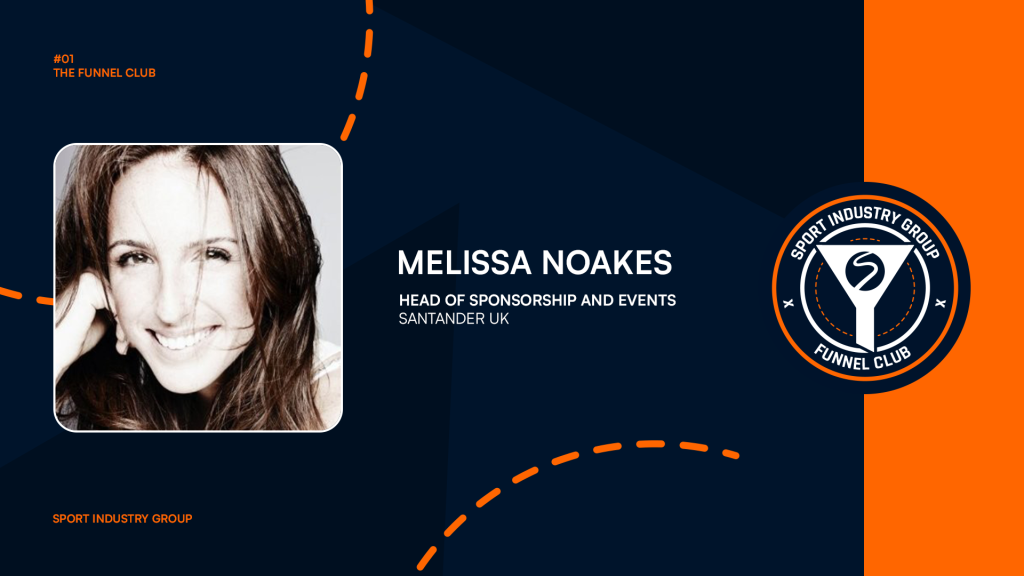
The Funnel Club: Melissa Noakes on Sports Sponsorship and Brand Storytelling
Melissa Noakes, Head of Sponsorship and Events at Santander UK, reports a fundamental shift in the sports marketing industry: the transition from basic logo-based branding to immersive, experience-driven storytelling. According to Noakes, modern partnerships must now deliver tangible value to fans and businesses alike, prioritizing depth of engagement over the traditional breadth of sponsorship portfolios.
The Evolution of Sports Sponsorship
The role of a sponsor has moved beyond simple visibility, according to Noakes. Brands are increasingly expected to create content and purpose-driven programs that audiences actively seek to engage with. This strategic pivot requires partners to identify what unique value they can provide, ensuring that each collaboration offers something that no other entity could replicate.

Santander UK currently maintains a focused strategy, favoring a small number of high-impact partnerships over a wider, thinner spread. This approach allows the brand to build long-term relationships that can be activated consistently across various platforms, including their current involvement in Formula 1 and cycling.
Melissa Noakes notes that common marketing pitch errors often include a lack of preparation, such as inadvertently including a competitor’s name in a presentation.
Addressing Barriers in Modern Sport
When asked about potential changes to the sporting landscape, Noakes identified accessibility as the primary concern. Despite the power of sport to unite people, she notes that significant barriers remain, specifically regarding cost, opportunity, and representation.

The industry is seeing positive momentum in the growth of women’s sport, according to Noakes. She highlights that the increased support and visibility for female athletes is a significant development, as it allows women to see themselves represented in leadership and sporting roles.
The emphasis on “storytelling over branding” signals a maturing market where consumers are increasingly savvy about corporate involvement. By shifting focus toward purpose-driven activations, brands like Santander are likely attempting to mitigate the skepticism that often accompanies traditional, high-visibility sponsorship deals.
Future Implications for Marketing Professionals
For those looking to enter the field, the path involves understanding how brands function within culture and the ability to create memorable, shared moments. Noakes attributes her success to a willingness to experiment and a commitment to staying close to audience interests.

Moving forward, the industry may see continued pressure on sponsors to justify their presence through meaningful engagement. As organizations face higher expectations for transparency and social impact, those who successfully leverage their partnerships to solve accessibility issues or elevate underrepresented groups may find greater long-term success. The emphasis on “depth over breadth” in partnership portfolios is a trend that could influence how other major institutions structure their future marketing investments.
Frequently Asked Questions
What is the primary focus of Santander UK’s sponsorship strategy?
The company focuses on a small number of high-impact partnerships to ensure they can invest properly and build long-term, consistent relationships.
What does Melissa Noakes consider the biggest change in the sport industry?
She identifies two major shifts: the transition from sponsorship as simple branding to sponsorship as storytelling, and the significant growth and improved support for women’s sport.
What is the most important factor when evaluating a partnership?
According to Noakes, a partnership must deliver value and impact to the partner, the fans or customers, and the business, while creating a unique connection that the brand could not achieve alone.
How do you see the balance between corporate sponsorship and genuine fan engagement evolving in the coming years?