

The Great Skull Premieres at Shanghai International Film Festival
The Great Skull, a tragicomedy debuting at the 28th Shanghai International Film Festival on June 12, signals a growing trend of regional dialect use in Chinese cinema. According to Variety, the film features over 50% Shanghai dialect, following a pattern established by productions like “Shanghai Blossoms” and “B for Busy” to mark local cultural identity.
Why is the Shanghai dialect becoming a cinematic trend?
Regional dialects are shifting from background flavor to primary markers of cultural identity. Variety reports that “The Great Skull” utilizes the Shanghai dialect for more than half of its dialogue, a move screenwriter Zhang Xiaoying based on her own personal experiences.
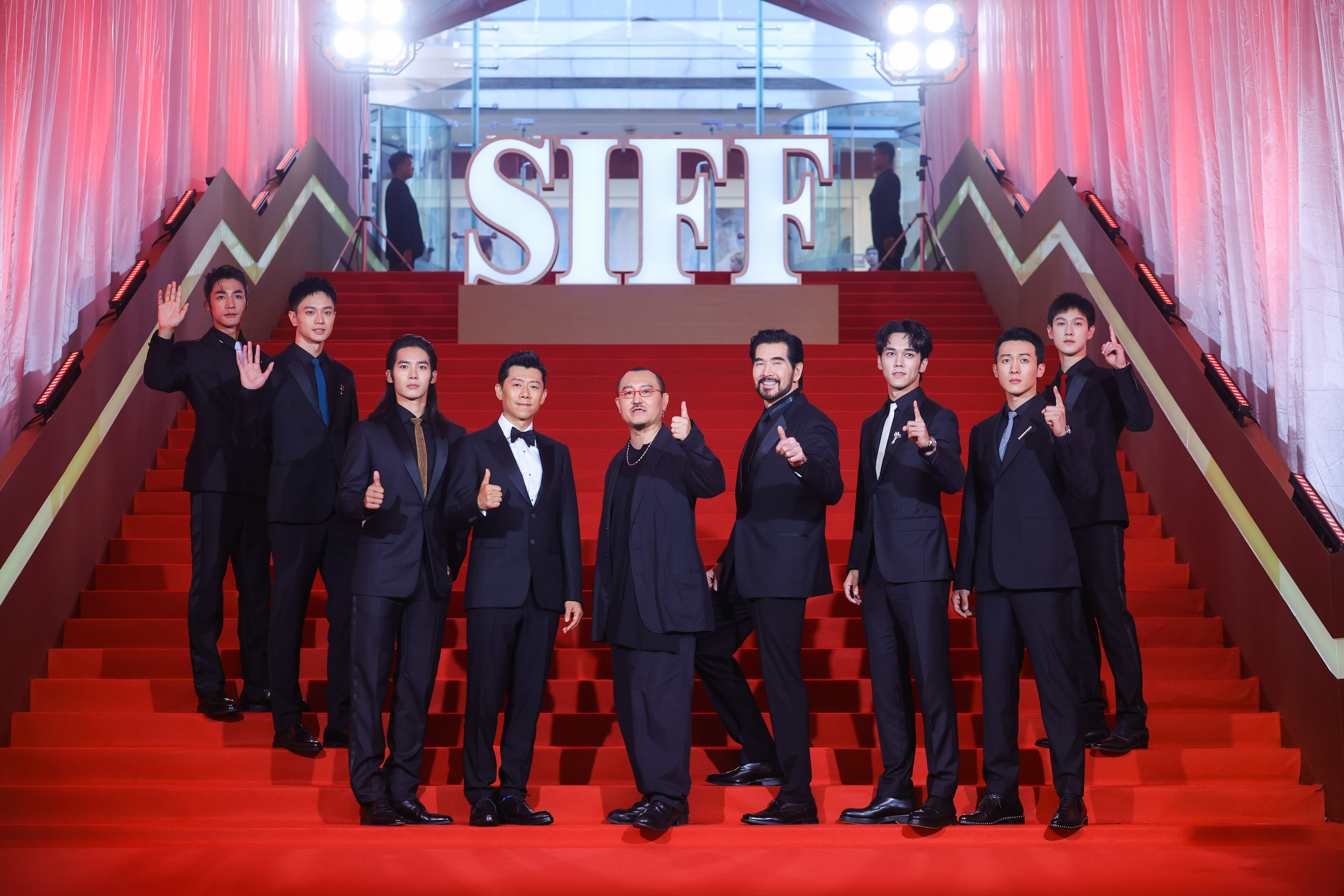
This isn’t an isolated event. The report identifies “Shanghai Blossoms” and “B for Busy” as earlier productions that established this trend. By prioritizing local speech over standard Mandarin, filmmakers are attempting to capture a specific “aura” that resonates with regional audiences and provides a sense of authenticity.
How is the portrayal of grief evolving in regional film?
Modern narratives are moving away from heavy melodrama toward “tragicomedy” and minimalist performances. Director Liu Xiaoyang stated his goal for the film is to help audiences “let go of their emotions” and find the courage to live.
This shift is evident in the acting styles adopted for the project. Cast member Yu Entai noted that the film’s minimalist style required him to simplify his performance, contrasting with the more exaggerated roles often found in traditional Chinese dramas. This approach suggests a trend toward understated, realistic depictions of loss where “acting normal” becomes the central conflict for characters.
What challenges do modern actors face with regional roles?
Even popular Gen-Z actors struggle to bridge the gap between their public persona and specific regional identities. Wen Qi, a prominent figure in Chinese cinema, told Variety that conveying the “Shanghai-style aura” and portraying deep grief proved challenging initially.
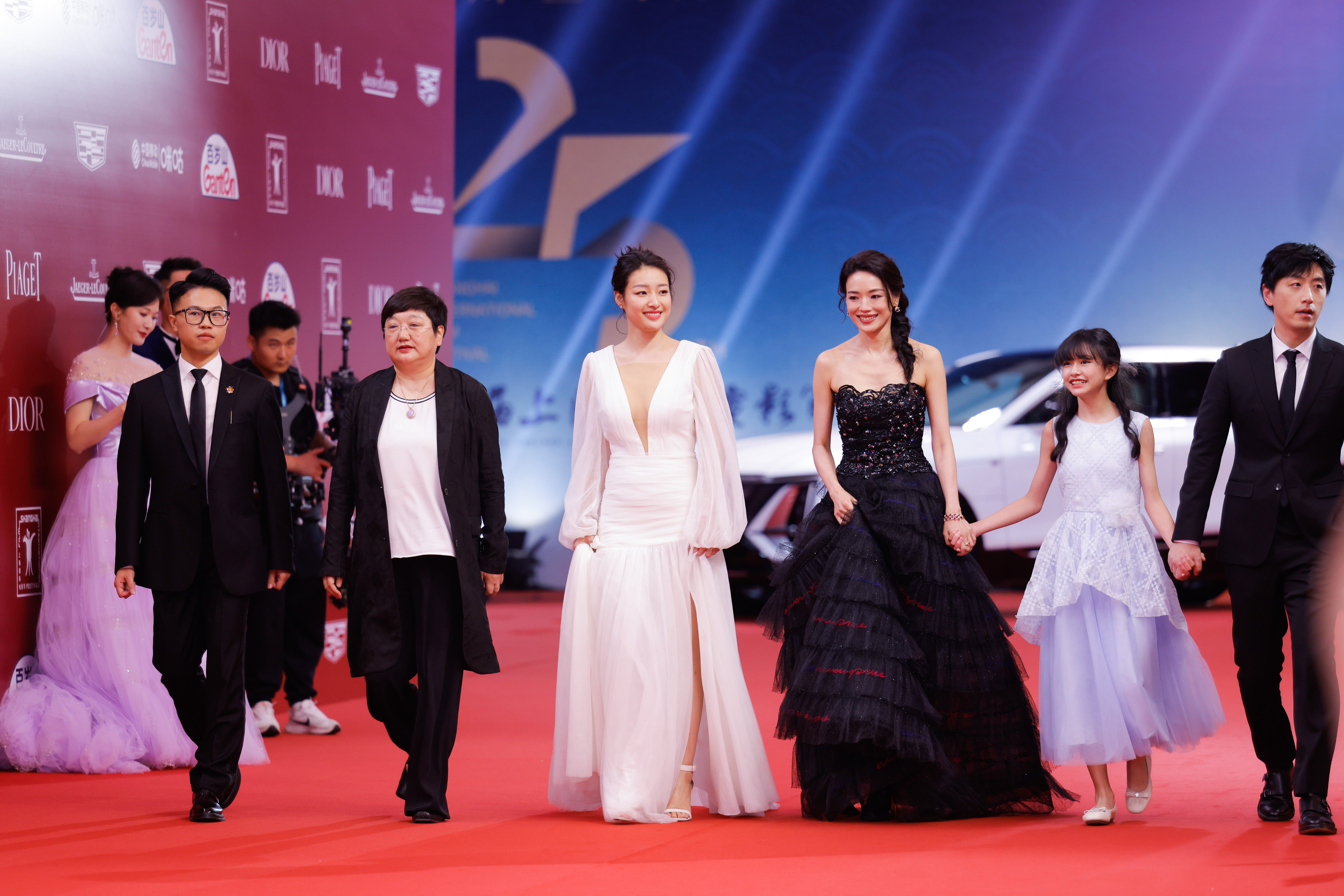
The production relied heavily on veteran technical guidance to maintain this authenticity. Wen Qi attributed the film’s viability to cinematographer Zeng Jian, describing him as a “big parent on set” who guided the cast through these cultural and emotional hurdles.
Comparing regional trends: Dialect vs. Standard Mandarin
The industry is seeing a clear divergence in how local identity is framed. While mainstream productions often use standard Mandarin to maximize broad appeal, a new wave of “identity cinema” is prioritizing localism.

| Feature | Mainstream Approach | “The Great Skull” Approach |
|---|---|---|
| Language | Standard Mandarin | >50% Shanghai Dialect |
| Emotional Tone | High Melodrama | Minimalist Tragicomedy |
| Goal | Mass Market Reach | Local Cultural Identity |
Frequently Asked Questions
What is “The Great Skull”?
It is a Shanghai dialect tragicomedy directed by Liu Xiaoyang that premiered at the 28th Shanghai International Film Festival on June 12.
Why is the use of dialect important in this film?
According to Variety, the use of the Shanghai dialect serves as a marker of local cultural identity and brings a level of personal authenticity to the script.
Who are the lead actors in the movie?
The film stars Wen Qi, Ni Hongjie, and Yu Entai.
Do you think regional dialects make films more authentic, or do they limit the audience? Share your thoughts in the comments below or subscribe to our newsletter for more insights into global cinema trends.