
The Hidden Dangers of Flavored Tobacco: Why It Hooks Youth and Increases Addiction Risks
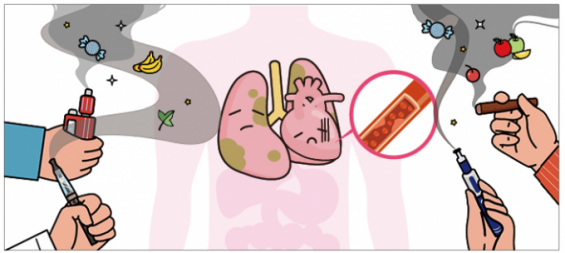
Ahead of World No Tobacco Day on May 31, health authorities are raising an urgent alarm regarding the growing prevalence of flavored tobacco products. Often marketed with appealing scents like chocolate, fruit, or menthol, these products are increasingly being identified as a “gateway” for younger generations to begin smoking and develop nicotine dependencies.
The Hidden Risks of “Sweet” Tobacco
While these products are often perceived as less harmful, health officials emphasize that flavoring agents and sweeteners do not reduce the inherent toxicity of tobacco. When these substances are heated within electronic devices, they create an aerosol of fine particles. Once inhaled, these particles can cause significant damage to the respiratory system.
The impact on younger demographics is particularly concerning. Data from the 2024 6th Youth Health Panel Survey reveals that 77.3% of Korean youth chose a flavored product as their first tobacco experience. For those who began their habit with liquid-type e-cigarettes, the usage rate of flavored options reached 86.3%, with that figure climbing to 89% among female students.
Long-term Consequences and Future Outlook
The correlation between flavored tobacco use and long-term nicotine dependence is statistically significant. Research indicates that individuals who start with flavored tobacco are 1.4 times more likely to remain smokers compared to those who start with non-flavored products. The likelihood of continuing to use flavored tobacco specifically is 10.9 times higher.
Looking ahead, the rising market share of these products may necessitate more robust policy discussions in Korea. As countries like Brazil and Canada have already implemented strict prohibitions on flavored additives, analysts expect that the growing evidence of addiction risks could lead to increased pressure for similar regulatory measures domestically.
Frequently Asked Questions
Why is flavored tobacco considered a “gateway” for youth?
The sweet scents and tastes mask the natural bitterness and irritation of tobacco, lowering the user’s guard regarding the health risks and making it easier for young people to initiate smoking.

Does flavoring make tobacco safer to use?
No. Health authorities stress that flavoring components do not reduce the harmful nature of tobacco. When heated into an aerosol, these additives are inhaled deep into the lungs, posing significant risks to respiratory health.
What is the long-term impact on smoking cessation?
Evidence suggests that flavored tobacco users have a harder time quitting. International research, including studies published in the journal Preventive Medicine, indicates that users of flavored liquid e-cigarettes are 1.9 times more likely to fail in their attempts to quit after two years compared to non-flavored users.
How can public awareness campaigns better address the misconception that flavored tobacco products are a safer alternative?