
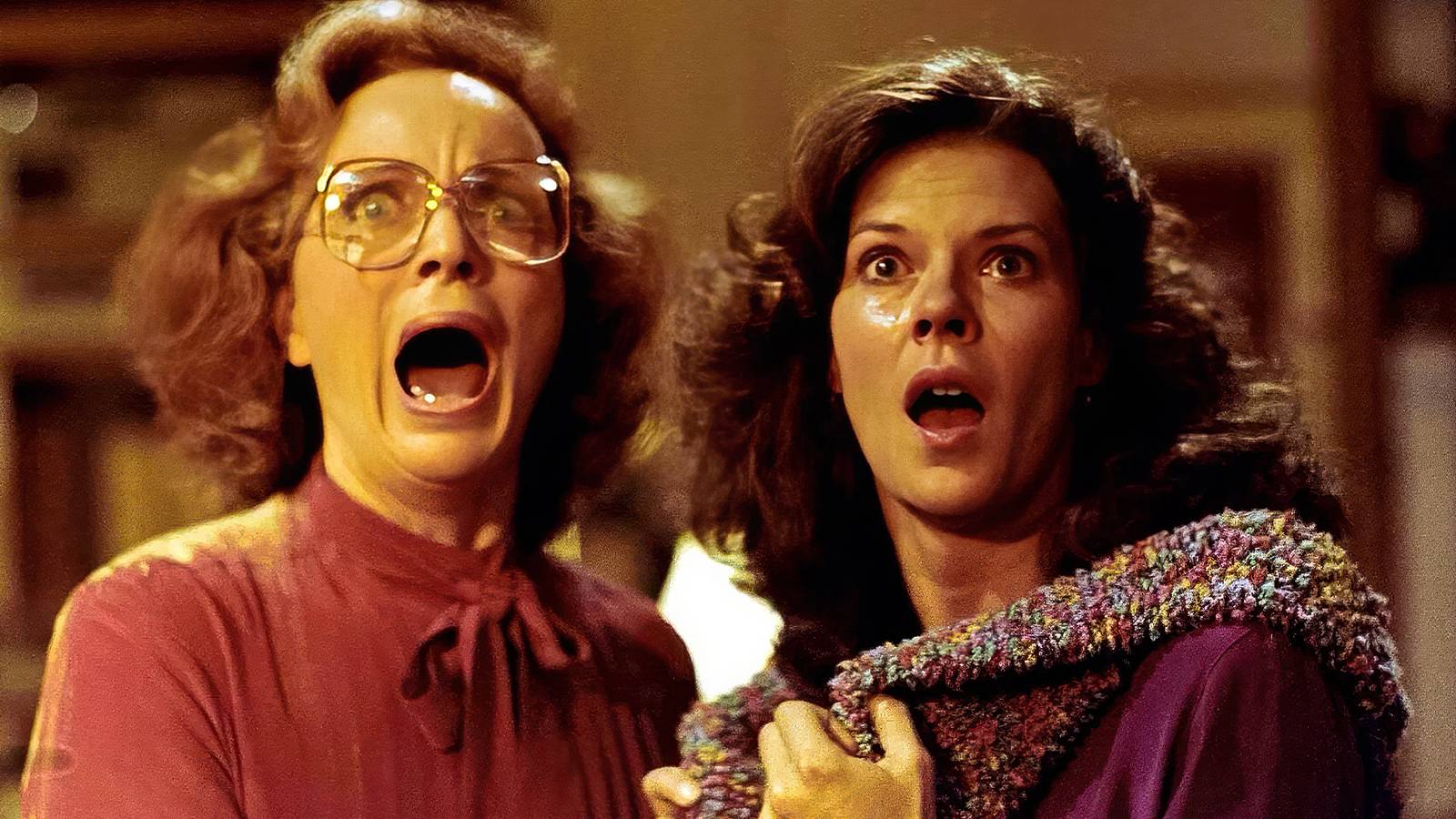
The Iconic Horror Movie That Proves Death Isn’t Necessary for Fear
Poltergeist, released June 4, 1982, remains a landmark in horror cinema for its ability to generate terror without a single character death. The film, directed by Tobe Hooper and co-written by Steven Spielberg, centers on the Freeling family as they battle supernatural forces after their home becomes a portal to another dimension. Despite the family’s harrowing ordeal, no one dies on screen, a choice that underscores the movie’s focus on psychological tension over graphic violence.
Why Is ‘Poltergeist’ Considered a Horror Classic?
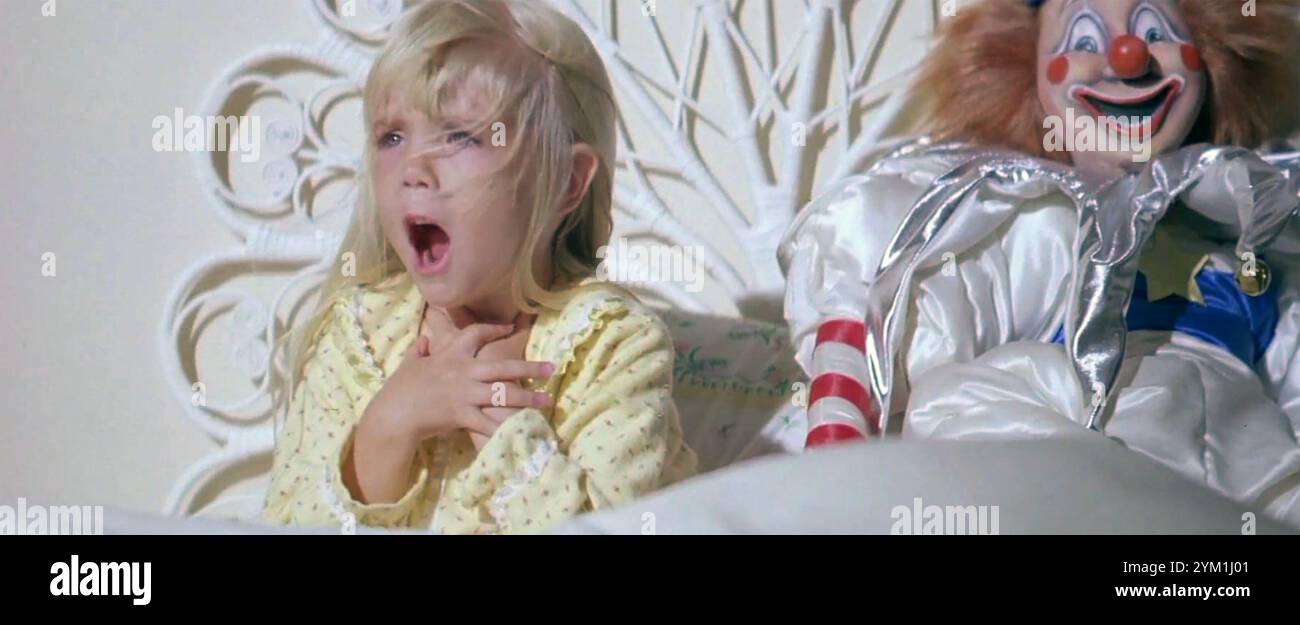
Poltergeist’s success lies in its high stakes and emotional resonance. The film’s central conflict—retrieving 5-year-old Carol Anne (Heather O’Rourke) from a supernatural realm—creates a visceral fear of losing a child, a universal vulnerability. Unlike slasher films that rely on gore, Poltergeist uses practical effects, such as a skeletal apparition and a man peeling off his own face, to evoke dread. These scenes, coupled with a PG rating, shocked audiences in 1982 and earned an Oscar nomination for Best Visual Effects.
What Makes ‘Poltergeist’ Unique in Horror History?
The film’s lack of on-screen deaths contrasts sharply with its intense emotional impact. Director Tobe Hooper, known for The Texas Chain Saw Massacre, blended Spielberg’s family drama sensibilities with supernatural horror. The Freeling family’s resilience and the unseen threat of Carol Anne’s disappearance amplify tension. As John Carpenter noted, “Horror is a reaction; it’s not a genre,” and Poltergeist exemplifies this by focusing on audience fear rather than kill counts.
What Happened to the Cast After ‘Poltergeist’?
Real-life tragedies add an unsettling layer to the film. Heather O’Rourke, who played Carol Anne, died at 12 in 1988. Her co-star Dominique Dunne, as Dana Freeling, was murdered months after the film’s release. The movie’s depiction of a burial ground beneath the family’s home also carries eerie irony, as the skeletons in the film were real. These events have made rewatching Poltergeist an unnerving experience, blending fiction with historical trauma.
What May Happen Next With ‘Poltergeist’?
While no official announcements exist, the film’s cultural footprint could inspire renewed interest in its themes. Streaming platforms may repackage it for new audiences, and its influence on modern horror—such as the emphasis on psychological tension over gore—could be revisited in future analyses. However, any adaptation or revival would need to navigate the film’s complex legacy, including its real-world tragedies.
Frequently Asked Questions
What is the central conflict of ‘Poltergeist’?
The Freeling family must rescue 5-year-old Carol Anne after she is pulled into another dimension by supernatural forces.
Who directed ‘Poltergeist’?
Tobe Hooper, known for The Texas Chain Saw Massacre, directed the 1982 film.
Did any cast members die after the film’s release?
Yes, Heather O’Rourke (Carol Anne) died at 12 in 1988, and Dominique Dunne (Dana Freeling) was murdered in 1982.
How might ‘Poltergeist’ influence future horror storytelling? Would audiences prefer a focus on psychological tension over graphic violence, or does the genre still rely on shock value?