
The Longest Day Explores New Paths for Immersive Sports Stories
Immersive sports storytelling is shifting from static spectator views to narrative-driven, behind-the-scenes experiences on devices like the Apple Vision Pro. By utilizing tools like the Blackmagic URSA Cine Immersive camera, creators are targeting a global sports market valued at over $400 billion, according to a 2025 report by consultancy Kearney.
How is immersive technology changing sports documentaries?
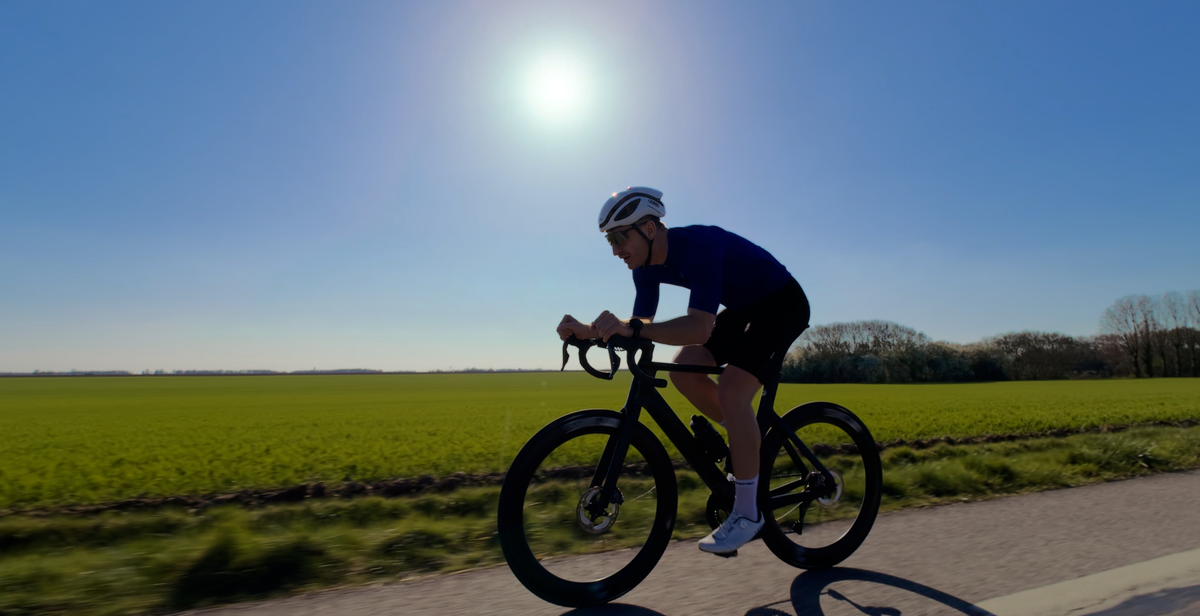
Production is moving beyond “best seat in the house” perspectives to focus on the athlete’s physical and mental state. The short film The Longest Day, available on the Amplium and Theater apps, demonstrates this by following triathlete Jules Wagner’s training for an Ironman.
To capture the sensation of speed, producers attached a camera crane to a Jeep driving alongside Wagner. They also used custom-built housing to place the camera directly in the water. These techniques aim to create a visceral connection between the viewer and the athlete’s exertion.
What is the economic driver behind spatial sports content?
The push toward immersive media is tied to the massive scale of the sports industry. According to the 2025 Kearney report on unlocking value in sports, the global market exceeds $400 billion. This valuation is driven by media rights, sponsorships, licensing, merchandise, and betting.

Industry data suggests that immersive technology opens new engagement channels for franchises and athletes. By moving behind the scenes, brands can create deeper emotional ties with fans, which in turn increases the value of sponsorships and digital licensing.
Comparing traditional broadcasts and immersive narratives
Traditional sports media focuses on the competition. Immersive projects like Real Madrid: The Weight of Greatness and altitude.101’s KICK shift the focus toward human interest stories. The goal is not just to show the game, but to place the viewer inside the athlete’s world.
Why are “human interest” stories the future of VR sports?
While high-action sequences attract attention, narrative depth keeps viewers engaged. The Longest Day focuses on the challenge of qualifying for the World Championships, making the story relatable to anyone pursuing a difficult goal, regardless of their interest in triathlons.
The use of stylized sequences—such as eye contact with the athlete and subtitles in English, German, and Japanese—allows these stories to scale globally. This approach transforms a sports clip into a character study.
Frequently Asked Questions
What is The Longest Day?
It is a seven-minute immersive sports documentary for Apple Vision Pro that follows triathlete Jules Wagner’s journey toward the Ironman World Championships.
What hardware is used for immersive sports filming?
High-end productions use tools like the Blackmagic URSA Cine Immersive camera, along with specialized rigs like Jeep-mounted cranes and custom underwater housings.
How large is the global sports market?
According to a 2025 report from Kearney, the global sports market is valued at more than $400 billion.
Which apps host immersive sports content on Vision Pro?
Content is currently available through platforms such as Amplium and Theater.
What do you think? Does the ability to “feel” an athlete’s speed change how you view sports, or do you prefer the traditional broadcast? Let us know in the comments or subscribe to our newsletter for more updates on spatial computing.