
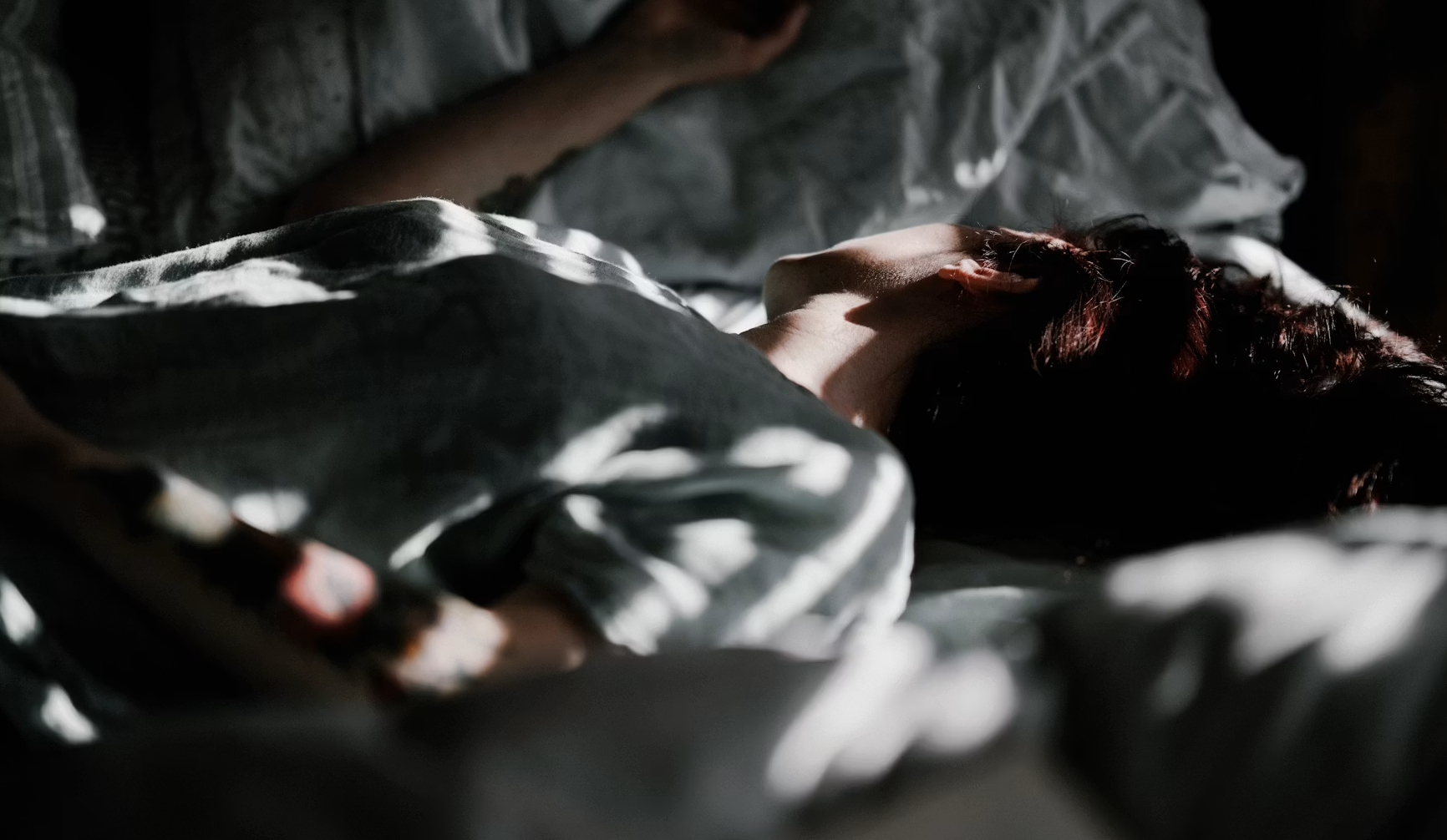
The Quiet Trap of Using Cannabis to Sleep – MindSite News
Cannabis use for sleep can create a “slow-moving trap” by reducing sleep quality and causing severe withdrawal, according to neurologist Joanna Fong-Isariyawongse. While tetrahydrocannabinol (THC) helps users fall asleep faster, chronic use often leads to less restorative sleep and potential brain development issues in teenagers.
Neurologist Joanna Fong-Isariyawongse warns that what feels like relief from cannabis may actually be a long-term risk. THC helps people fall asleep quickly, but its effectiveness declines with regular use. This creates a cycle where users need higher doses to achieve the same result.
Research indicates that falling asleep faster does not mean sleeping well. According to Fong-Isariyawongse, cannabis doesn’t consistently improve total sleep time or restfulness. Chronic users often spend more time awake during the night and receive less restorative sleep than non-users, despite their own perceptions of improvement.
Why does cannabis cause withdrawal symptoms?
The difficulty for chronic users often peaks during attempts to stop. Withdrawal can trigger a return of insomnia and disturbing dreams. Other symptoms include irritability, appetite loss, anxiety, and a depressed mood that can last for weeks.
These symptoms often lure users back to cannabis. This cycle prevents individuals from addressing the original causes of their sleep problems, according to Fong-Isariyawongse.
How does cannabis affect teenagers and veterans?
Fong-Isariyawongse identifies teenagers and military veterans with post-traumatic stress disorder (PTSD) as high-risk groups. Because brains continue developing until the mid-20s, regular cannabis use may interfere with healthy brain growth.
Veterans with PTSD experience sleep disturbances at rates between 70% and 90%. Many use cannabis as a temporary measure while waiting for professional care at Veteran’s Affairs medical centers, where waitlists can last for months.
Abruptly stopping cannabis can lead to withdrawal symptoms that mirror PTSD. These include nightmares, rebound insomnia, worsening depression, and suicidal thoughts. Many veterans mistake this withdrawal for a PTSD relapse and return to cannabis use.
What are the alternatives to cannabis for insomnia?
Fong-Isariyawongse recommends cognitive behavioral therapy for insomnia, or CBT-I, as the primary alternative. This research-backed approach modifies sleep habits by resetting sleep-wake timing and lowering physical arousal.
For veterans, CBT-I may include image rehearsal therapy. This process involves rewriting the endings of recurring nightmares and replaying the peaceful versions while awake. Fong-Isariyawongse states CBT-I is more effective than cannabis or any other sleep medication.
However, a shortage of trained providers means many people cannot access this therapy. In the interim, experts suggest several behavioral changes:
- Reducing screen time before bed.
- Screening for physical disruptors like GERD or sleep apnea.
- Establishing a calming wind-down ritual.
- Using the bedroom only for sex or sleep.
- Exercising in the late afternoon.
- Avoiding nicotine, alcohol, and caffeine before bedtime.
If provider shortages persist, more individuals may continue relying on cannabis as a stop-gap. This could lead to an increase in the “cycle” of withdrawal and relapse, particularly among vulnerable populations like veterans and teens.
Frequently Asked Questions
Does cannabis improve the quality of sleep?
No. According to research cited by Joanna Fong-Isariyawongse, cannabis does not consistently improve total sleep time or restfulness, and chronic users get less restorative sleep than non-users.

What is the risk of cannabis use for teenagers?
Regular use can interfere with brain development. A 2021 study of nearly 800 teens linked use to the thinning of the prefrontal cortex, which governs judgment and impulse control.
What is CBT-I and how does it work?
Cognitive behavioral therapy for insomnia (CBT-I) is a research-backed therapy that modifies sleep habits, resets sleep-wake timing, and challenges anxious beliefs about sleeplessness.
Have you ever tried a non-medication approach to improve your sleep quality?