

The Real Cost of Owning an Electric Car in Norway: 10 NOK Per Kilometer
Owning a standard electric vehicle (EV) in Norway now costs approximately 10 NOK per kilometer, according to data from the Norwegian Road Federation (OFV). For a vehicle priced at 550,000 NOK driving 15,000 km annually, total costs reach 149,995 NOK, representing a 10% increase over the previous year.
Why is the cost of owning an EV increasing?
Rising insurance premiums and depreciation are driving the price hike. According to the OFV, the cost to operate a typical new EV increased by roughly 10% in one year, even after the organization adjusted for lower interest rates and adjusted for Norway’s price index.
Geir Inge Stokke, head of the OFV, stated during a Tuesday breakfast meeting that roughly half of the total cost of ownership comes from depreciation and interest. This means the actual “running” costs—like electricity and tolls—are secondary to the loss in vehicle value and financing costs.
The cost of driving an EV is nearly triple the Norwegian tax-free travel allowance, which stands at 3.50 NOK per kilometer.
How do EV costs compare to petrol and diesel vehicles?
The price gap between EVs and petrol cars is widening. For a car with a purchase price of 550,000 NOK driving 20,000 km per year, the annual cost difference has increased by nearly 15,000 NOK compared to last year, according to OFV calculations.

Finding budget-friendly internal combustion engine (ICE) alternatives is becoming nearly impossible. The OFV reports there are currently no available new diesel cars priced under 750,000 NOK. This scarcity is mirrored in the broader market, where EVs now account for approximately 98% of all new car sales in Norway.
Stokke noted that while the cost difference exists, the comparison is complex because tax differences mean a buyer gets a very different physical product for 550,000 NOK depending on the engine technology.
To lower your cost per kilometer, increase your annual mileage. Because fixed costs like interest and traffic insurance taxes are constant, spreading them over more kilometers reduces the average price per trip.
What are the primary drivers of vehicle expenses?
Many drivers focus on charging costs and tolls, but these aren’t the biggest drains on the wallet. The OFV uses common models like the Tesla Model Y, VW ID.4, and Toyota bZ4x to illustrate that the “invisible” costs are the most significant.
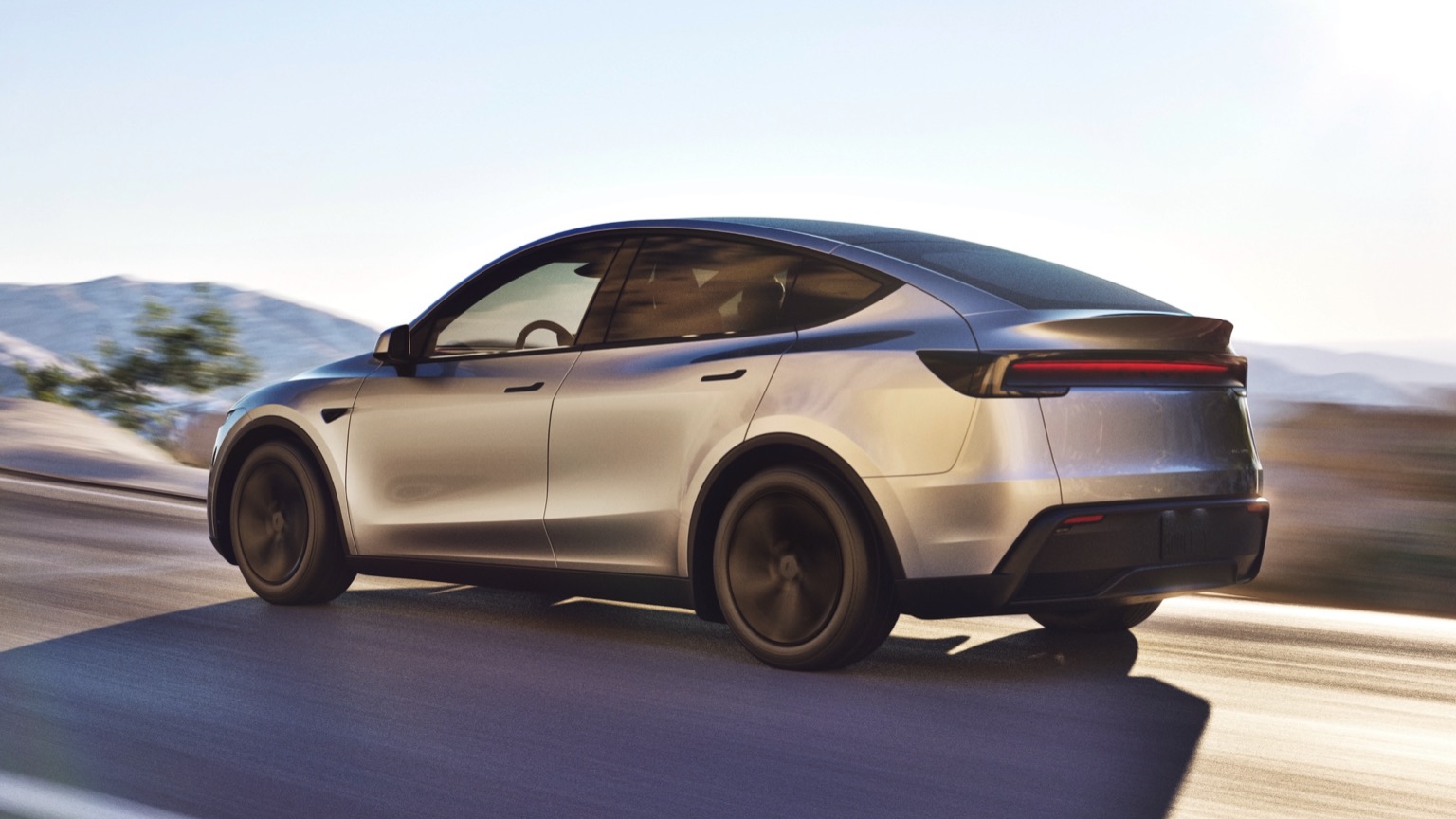
For a driver doing 15,000 km a year, the 10 NOK per kilometer figure means an hour on the highway can cost between 1,000 and 1,100 NOK when all factors are included. This trend suggests that as the market saturates, the financial advantage of EVs will shift away from “fuel savings” and more toward the management of asset depreciation.
Comparison: EV vs. Petrol Ownership (at 550k NOK purchase price)
| Metric | Electric Vehicle | Petrol Vehicle |
|---|---|---|
| Cost per km (15k km/yr) | ~10 NOK | Higher |
| Annual Cost Gap (20k km/yr) | ~15,000 NOK cheaper | Baseline |
| Entry Price (Diesel) | Available at 550k | Minimum ~750k |
Frequently Asked Questions
How much does it cost per km to run a new EV in Norway?
According to the OFV, a typical EV priced at 550,000 NOK costs roughly 10 NOK per kilometer for someone driving 15,000 km per year.

What is the biggest expense when owning an electric car?
Depreciation and interest payments make up about half of the total ownership costs, according to OFV chief Geir Inge Stokke.
Are diesel cars still a viable budget option?
No. The OFV reports that there are currently no new diesel cars available for under 750,000 NOK.
Do you think the high cost of depreciation makes EVs less attractive than they were five years ago? Share your experience with EV ownership in the comments below or subscribe to our newsletter for more automotive financial analysis.