

The Rise of Political Influencers and the Battle for Campaign Disclosure
The New Frontier of Political Influence: Why Your Feed Is Becoming a Campaign Trail
The days of candidates relying solely on television spots and town halls are fading. Today, the most powerful political battleground isn’t a debate stage; it’s the scrolling feed of a smartphone. As political campaigns pivot to social media creators to reach younger, skeptical demographics, we are witnessing a massive shift in how public opinion is manufactured.
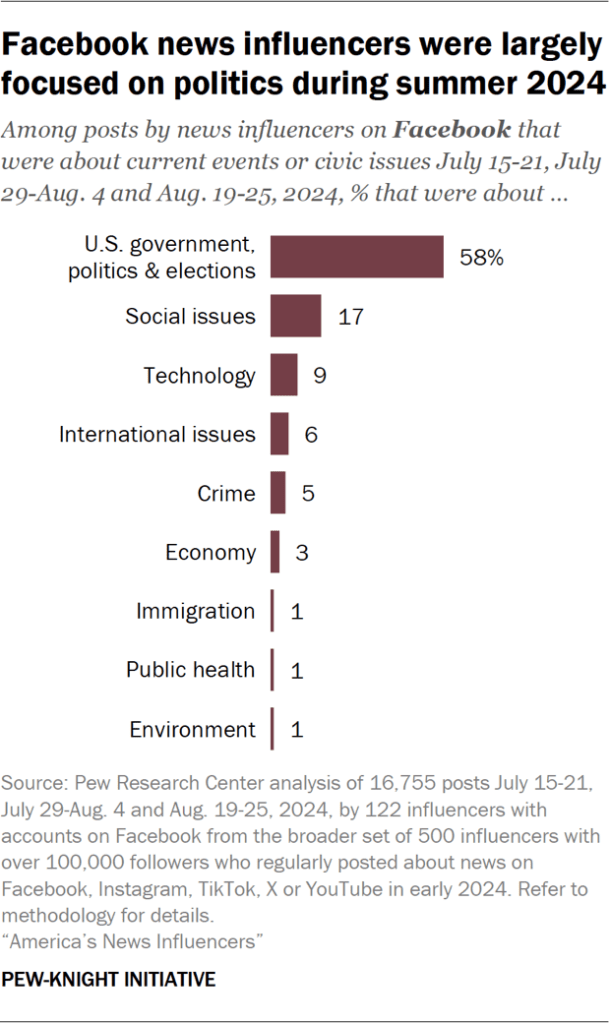
But this digital gold rush comes with a hidden cost. With little federal regulation, the line between an authentic endorsement and a paid advertisement has blurred, leaving voters to wonder: Is this a genuine opinion or a scripted campaign message?
The Authenticity Trap: Why Campaigns Need Influencers
According to the Pew Research Center, nearly 1 in 5 Americans now turn to social media influencers for news. For voters aged 18 to 29, that number is significantly higher. Campaigns recognise that traditional ads often feel like noise, whereas an influencer feels like a friend.
“You have that sense of authenticity, like a friend is talking to you,” explains Emma Briant, a researcher at Notre Dame University. By leveraging the parasocial relationship between creators and their followers, campaigns can bypass the skepticism that usually greets a standard political commercial.
The Wild West of Political Disclosures
The lack of standardized disclosure requirements creates a murky landscape. While California has attempted to implement rules requiring influencers to disclose paid political content, enforcement remains inconsistent. Without federal oversight, the risk of “stealth campaigning” is rising.

This isn’t just a local issue. In recent election cycles, we’ve seen high-profile instances where influencers received significant compensation for political messaging without explicit, clear labelling. When the content looks like organic commentary, it effectively strips the viewer of their ability to critically evaluate the source of the information.
The National Security Angle
Beyond the domestic ethics of campaign finance, there is a looming threat: foreign interference. Federal investigators have already uncovered schemes where foreign state-backed entities funneled millions into U.S.-based companies to pay influencers for content that aligns with specific geopolitical interests.
“It’s a wild west at the moment if Notice no repercussions,” Briant warns. As we look toward future election cycles, the pressure on the Federal Election Commission (FEC) to mandate strict disclaimers on all paid political influencer content will only intensify.
Did You Know?
In some recent campaigns, influencers were paid hundreds of thousands of dollars to act as official campaign advisors, a move that complicates the definition of “independent content creation.” This professionalization of political influence means that your favourite creator may be closer to a political operative than you think.
Frequently Asked Questions
- Are influencers required by law to disclose paid political posts?
- It depends on the jurisdiction. While some states like California have specific laws, there is currently no comprehensive federal law requiring influencers to disclose payments for political content in the same way traditional media must disclose political ad buys.
- How can I tell if a political video is a paid ad?
- Look for mandatory disclosure labels. Legitimate partnerships will use built-in platform tools like “Paid Partnership” tags. If the content feels overly scripted or uses talking points that appear across multiple different accounts, it may be part of an organised campaign.
- Why do campaigns prefer influencers over TV ads?
- Influencers offer direct access to niche, younger, and harder-to-reach demographics. Their content is often perceived as more trustworthy and “authentic” than traditional, high-budget political advertising.
What Comes Next for Digital Democracy?
The future of political campaigning will likely involve a push for more transparency. As voters become more tech-savvy, the “authenticity” of an influencer will be judged by their willingness to be transparent about their financial ties. Expect to see more watchdog groups, like the Campaign Legal Center, pressuring regulators for clear, enforceable rules.

the burden of verification is shifting to the reader. In an era of digital influence, the most valuable tool a voter has is a healthy dose of skepticism.
What do you think? Have you noticed a shift in political content on your favourite social media platforms? Share your thoughts in the comments below or subscribe to our newsletter for deep dives into how tech is reshaping our political landscape.