
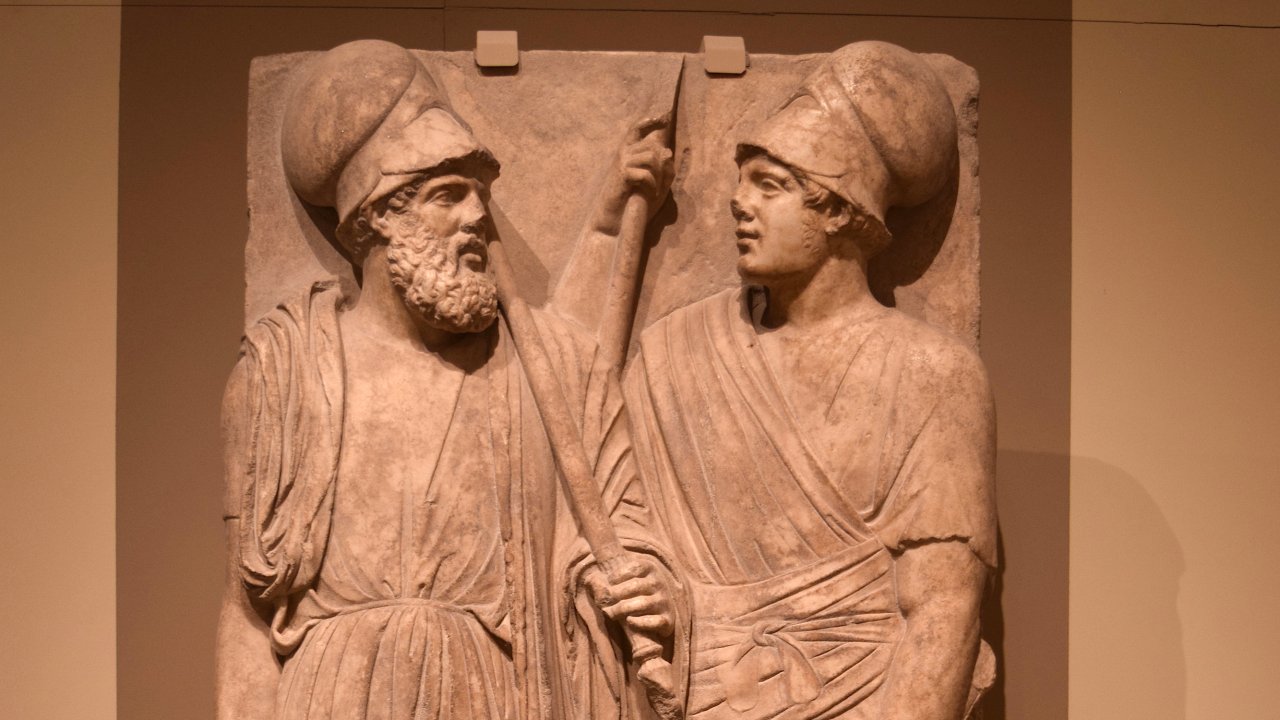
The Sacred Band of Thebes: Ancient Greece’s Elite Army of Lovers
In 1880, Greek archaeologists uncovered a mass grave in the village of Hironia in Central Greece containing 254 ancient soldiers, some interred hand-in-hand. The site is widely believed to be the burial ground of the Tivian Sacred Band, an elite military unit composed of 150 pairs of male lovers who fought in battles across ancient Greece, including the 371 BCE Battle of Leuctra where they helped end Spartan dominance.
The Sacred Band, formed around 378 BCE after Thebes expelled Spartan rule, was described by the philosopher Plutarch as a force of 300 heavily armed infantrymen. Historical records, including Plato’s “Symposium,” suggest the unit’s cohesion stemmed from romantic bonds, with soldiers motivated by mutual honor and fear of disgrace in each other’s eyes. However, the exact nature of their relationships remains debated, as sources like Plutarch and Xenophon reference both combat and shared living arrangements.
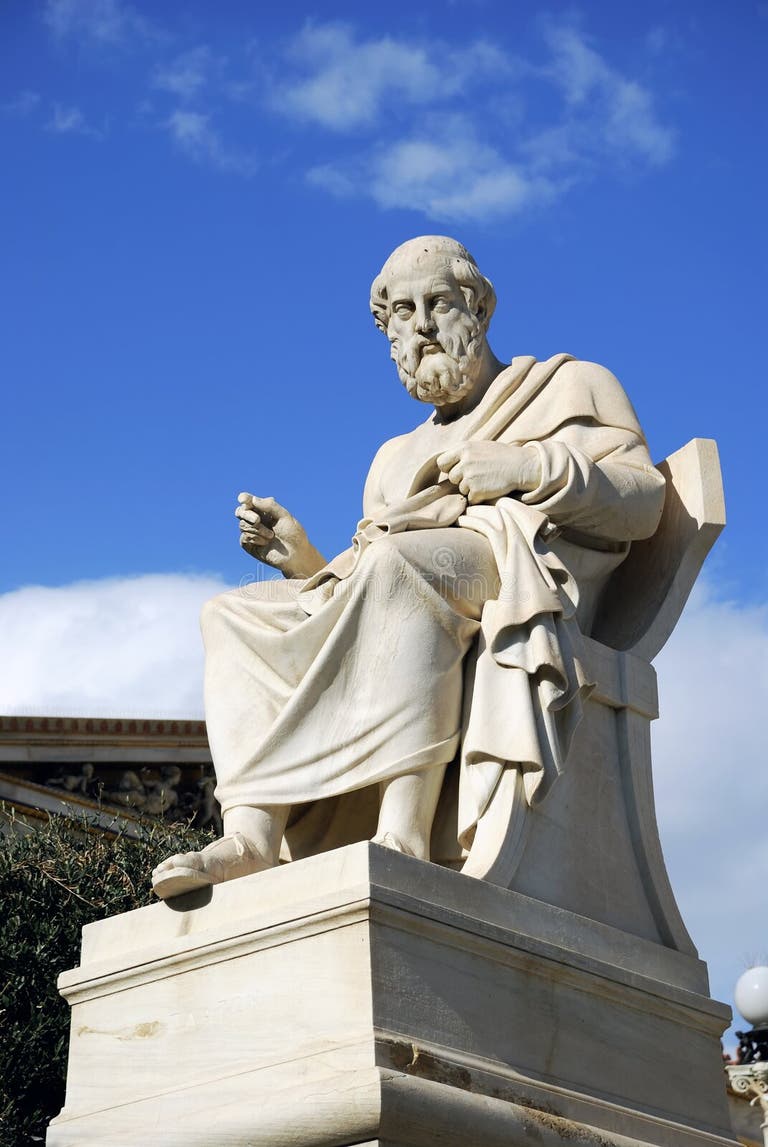
The discovery in Hironia, located in Central Greece, offers a rare glimpse into the unit’s final days. The soldiers, likely killed in the 338 BCE Battle of Chaeronea—where Philip of Macedon’s forces defeated Thebes and Athens—were buried in a manner implying close camaraderie. A lion statue now marks the site, symbolizing the band’s legendary ferocity.
The findings highlight the interplay between personal relationships and institutional power in antiquity. While the unit’s role in key conflicts is well-documented, questions persist about its internal dynamics, particularly the balance between camaraderie, discipline, and potential romantic ties. Modern scholars continue to analyze these tensions, using the site to explore how ancient societies integrated social norms into military structures.
Future research may focus on osteological analyses of the remains to confirm the soldiers’ ages and physical conditions, offering deeper insights into their training and combat roles. Archaeological efforts could also shed light on the broader context of Theban military practices during the 4th century BCE.
What was the Tivian Sacred Band? A 4th-century BCE elite military unit from Thebes, composed of 150 pairs of male soldiers believed to have shared romantic bonds, known for their discipline and role in defeating Spartan forces.

When was the mass grave discovered? The site was uncovered in 1880 in Hironia, Central Greece, containing 254 soldiers, some buried hand-in-hand, likely members of the Sacred Band.
What was the significance of the Battle of Leuctra? The 371 BCE battle marked the end of Spartan military dominance in Greece, with the Sacred Band playing a pivotal role in Thebes’ victory, as recorded by ancient historians.
How might the interplay of personal relationships and military structure in the Sacred Band influence modern approaches to team cohesion and leadership?