

Trump Presses Defense Contractors to Ramp Up Weapons Production
President Donald Trump met with CEOs from Boeing, Lockheed Martin, and Honeywell on Wednesday to urge a ramp-up in weapons production. The administration is seeking to replenish missile and munitions stockpiles amid U.S. military operations in Iran, supported by a $87.6 billion supplemental funding request to Congress.
Why is the administration accelerating weapons production?
The White House is pressing major defense contractors to increase output to reassure allies and replenish key systems following military operations in Iran. This urgency coincides with ongoing peace talks with Tehran, according to the administration.
Earlier this month, Trump invoked the Defense Production Act to speed up the process. He cited systemic constraints including fragile supply chains, limited production capacity, and long lead times as primary obstacles.
What new contracts have been awarded?
The Missile Defense Agency awarded Lockheed Martin a $35.3 billion sole-source contract on Wednesday to produce THAAD interceptors through June 2032. The agency obligated $842.9 million at the time of the award.
A separate notice detailed a $398.7 million award to Raytheon for Advanced Medium Range Air-to-Air Missiles (AMRAAM), which includes sales to U.S. allies.
The administration is specifically targeting the expanded production of Tomahawk cruise missiles, Patriot interceptors, THAAD interceptors, and AMRAAMs.
How is the government limiting shareholder payouts?
The White House has directed contractors to prioritize American manufacturing capacity and existing Pentagon contracts over payments to shareholders. Last week, a Senate committee approved a bill to codify a January executive order requiring Pentagon sign-off for dividends or share buybacks.
Defense contractors have opposed this mandate. The move follows a broader effort to ensure faster deliveries of munitions to the military.
What factors could impact future production?
Industry executives have warned that major investments to scale output will require congressional funding. While NATO Secretary General Mark Rutte stated Wednesday that the U.S. possesses the industrial capacity to meet demand, logistics remain a hurdle.
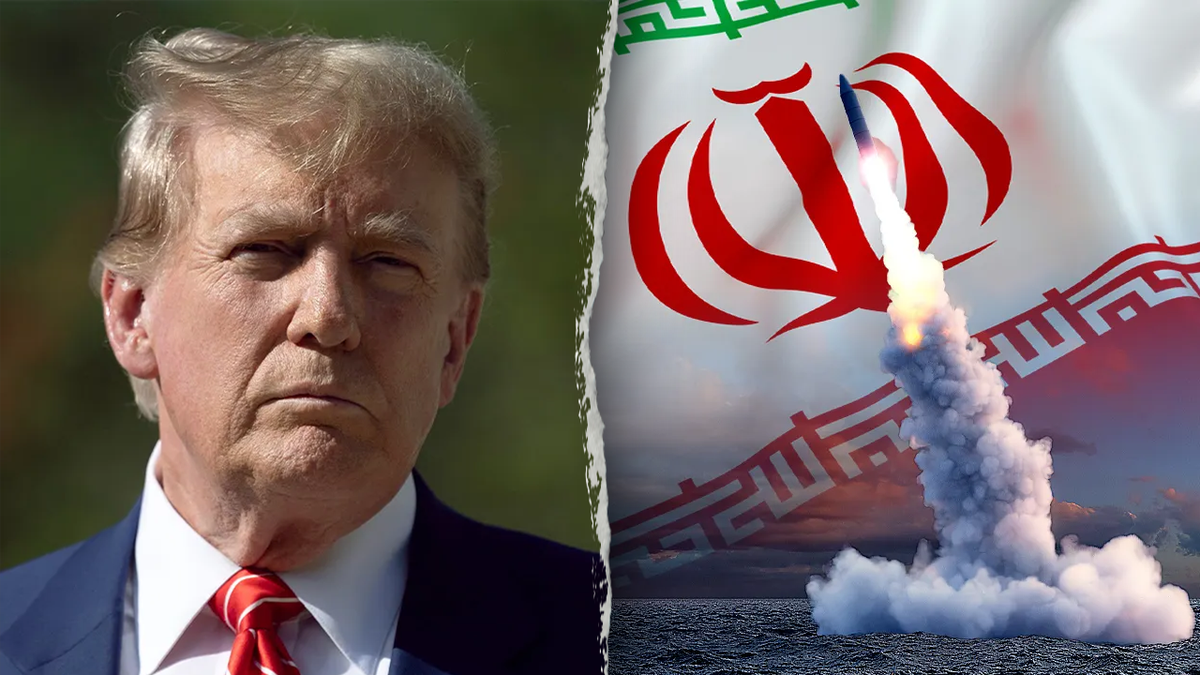
Because scaling weapons production is typically measured in years rather than months, the administration’s push for immediate output may be complicated. Additionally, the Senate’s Tuesday adoption of an Iran war powers resolution suggests growing congressional scrutiny of the president’s military strategy.
Frequently Asked Questions
Which companies met with President Trump on Wednesday?
The CEOs of Boeing, Lockheed Martin, and Honeywell attended the meeting.
How much supplemental spending did the White House request?
The administration asked Congress for $87.6 billion, primarily to fund the Iran war.
What is the purpose of the Lockheed Martin THAAD contract?
The $35.3 billion contract is for the production of THAAD interceptors through June 2032.
Do you believe government mandates on shareholder buybacks are an effective way to increase national defense production?