

The septuagenarian just starting residency in family medicine
Dawn Zuidgeest-Craft, a 72-year-old former nurse practitioner with 45 years of clinical experience, has completed medical school and matched into a family medicine residency program. According to her account, she began the process at age 69, ultimately securing a residency position in Muskegon, Michigan, after a career primarily focused on neonatal intensive care.
Did You Know? Before entering medical school at 69, Zuidgeest-Craft completed an online master’s level certificate program in medical anatomy and physiology from the University of Florida to prepare for the rigorous science curriculum.
Expert Insight: The transition from nurse practitioner to medical doctor highlights a shift in decision-making autonomy. While nurse practitioners provide essential medical care, Zuidgeest-Craft notes that the role often requires working within established practice modalities, whereas the pursuit of an M.D. was driven by a desire for greater independence in clinical decision-making and a deeper exploration of core medical sciences.
Why the path to residency was unconventional
Zuidgeest-Craft’s journey to medical school was interrupted several times over the decades by family commitments, infertility treatments, and the medical crises of her spouse. After retiring from full-time clinical work to teach anatomy and nursing at a local college, she reconsidered her long-held ambition to attend medical school following a personal health scare involving her husband in 2020.
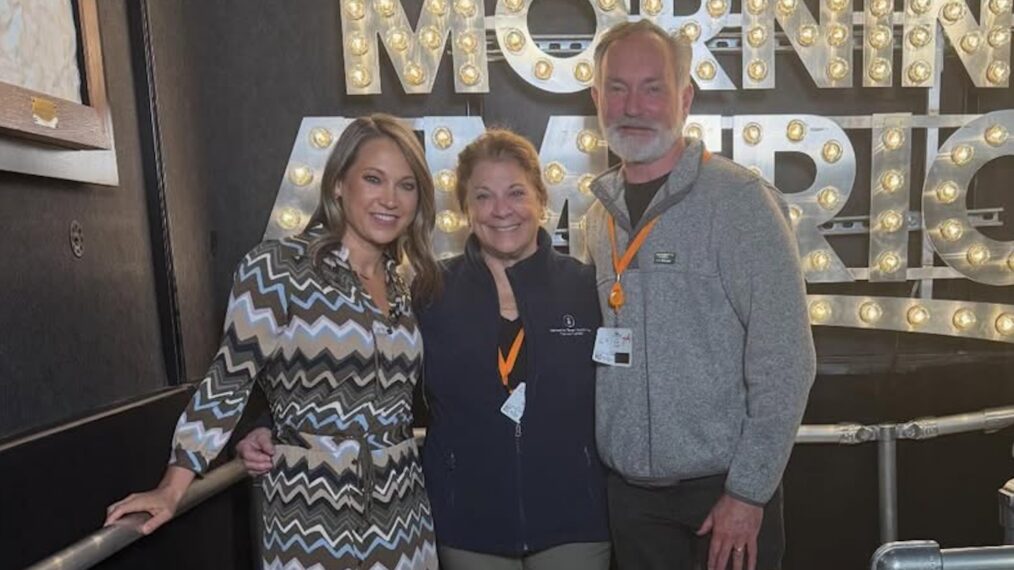
She chose to attend a Caribbean medical school, which she noted was a destination for students of diverse ages and backgrounds. While some peers and professors questioned her decision to attend a school outside of the domestic system, she reported a positive educational experience, citing the ability to study on the island of Anguilla as a significant highlight of her training.
How the residency match process worked
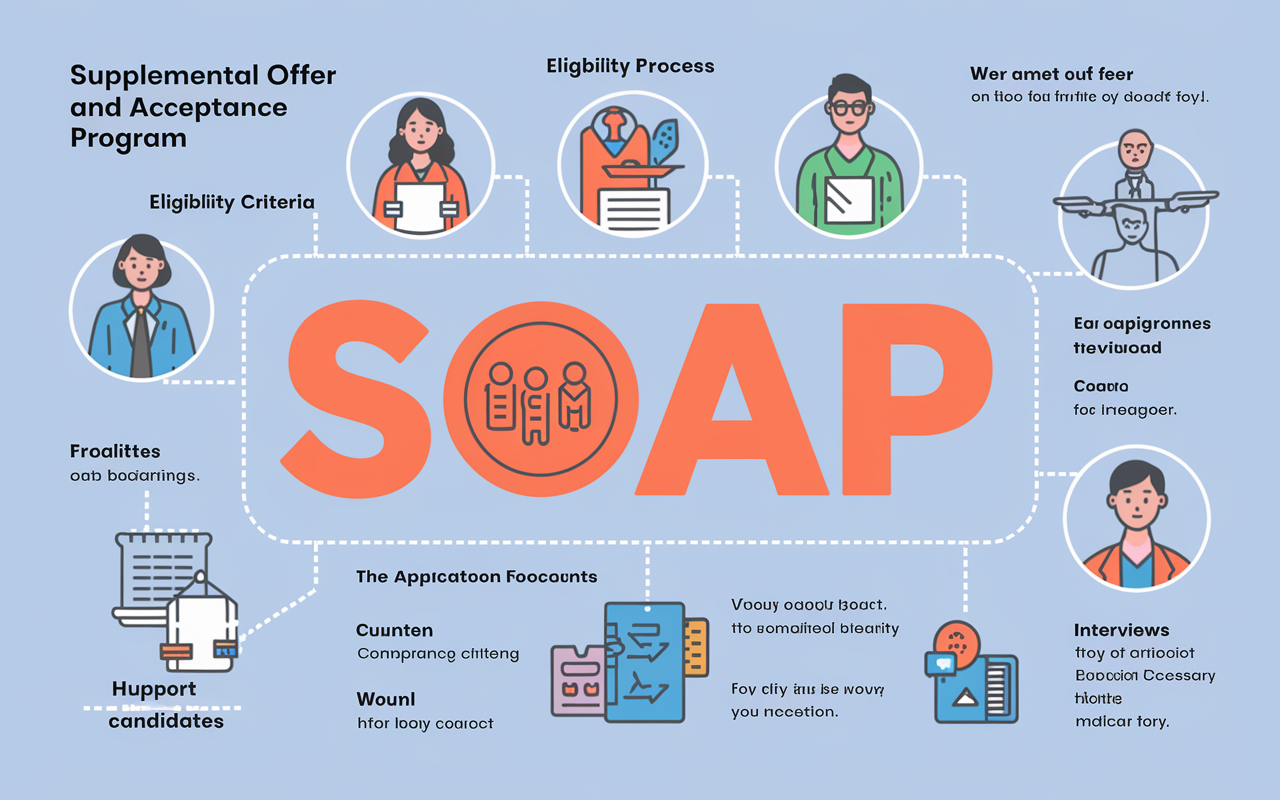
The path to matching was not straightforward. Zuidgeest-Craft applied to 12 programs, a number significantly lower than the 100 or more applications often submitted by international medical graduates. She did not match during the initial process, leading her to participate in the Supplemental Offering Application Process (SOAP).
During the SOAP process, she applied to 25 programs and received seven interview requests. She ultimately secured a spot in Muskegon, Michigan, which she identified as her first choice. She stated that while some interviewers expressed curiosity regarding her age, her extensive clinical background provided her with a realistic understanding of the grueling hours and physical demands of residency training.
What may happen next for her career
As she prepares to begin her residency in family medicine, Zuidgeest-Craft intends to focus on serving a rural community. She expressed interest in working in a clinic setting near her home, noting that her ultimate goal is to provide patient care in an environment where she can utilize her broad experience across all age groups.
Regarding concerns about the length of her future career, she pointed to the existence of physicians who continue to practice well into their later years. She emphasized that she plans to continue working as long as her health permits, viewing the opportunity to care for patients as a privilege rather than a career requirement.

Frequently Asked Questions
[What inspired Zuidgeest-Craft to pursue medical school at 69?]
She held a long-standing desire to study medicine dating back to her undergraduate years. After a 45-year career as a nurse practitioner, she felt the need to understand aspects of medicine she had not previously encountered and to gain more independence in decision-making.
[Did she face challenges during the residency matching process?]
Yes. She did not match during the initial application cycle. She subsequently participated in the Supplemental Offering Application Process (SOAP), where she applied to 25 programs before securing a residency position in Muskegon, Michigan.
[How does she view the difference between her previous role and being an M.D.?]
She notes that while both roles function as medical providers, the medical school curriculum provided her with a deeper focus on core sciences. She believes her background as a nurse practitioner gives her a broader sense of patient needs across all ages, which she expects will make her a more effective patient educator.
If you were in a position to pursue a completely new career path in your 70s, would you choose a field that requires such intensive, multi-year training?