
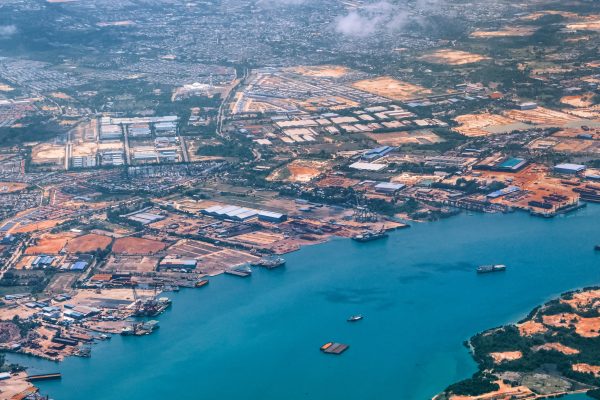
The Strait of Malacca: US-China Rivalry and the Risk of Conditional Transit
The Strait of Malacca faces a shift from kinetic military threats to “regulatory coercion,” according to ASEAN specialist Looi Teck Kheong. While physical blockades are possible, the more likely disruption involves incompatible sanctions and inspection demands from the U.S. and China, threatening approximately one-fifth to one-quarter of global maritime trade.
Why is the conventional view of a Malacca conflict incomplete?
Most strategic analyses assume the Strait of Malacca only becomes a flashpoint during direct military confrontations, such as missile attacks, mining, or piracy spikes. Looi Teck Kheong, a solicitor of the Supreme Court of Singapore and ASEAN specialist, argues this framing is outdated. Modern geopolitical competition now relies on regulatory coercion, insurance restrictions, and compliance fragmentation.
The Strait doesn’t need to be physically closed to stop functioning. According to Looi, a U.S.-China confrontation over Taiwan or the South China Sea could create “incompatible compliance demands” on littoral states. This transforms the waterway from a freedom-of-navigation issue into a contested governance corridor.
What is the most likely disruption scenario for the Strait?
The most plausible risk isn’t total closure, but “conditional transit.” Looi suggests that in a sustained South China Sea confrontation, Washington and Beijing might demand selective inspections, cargo scrutiny, or port-access limitations targeting the other side’s logistics ecosystem.
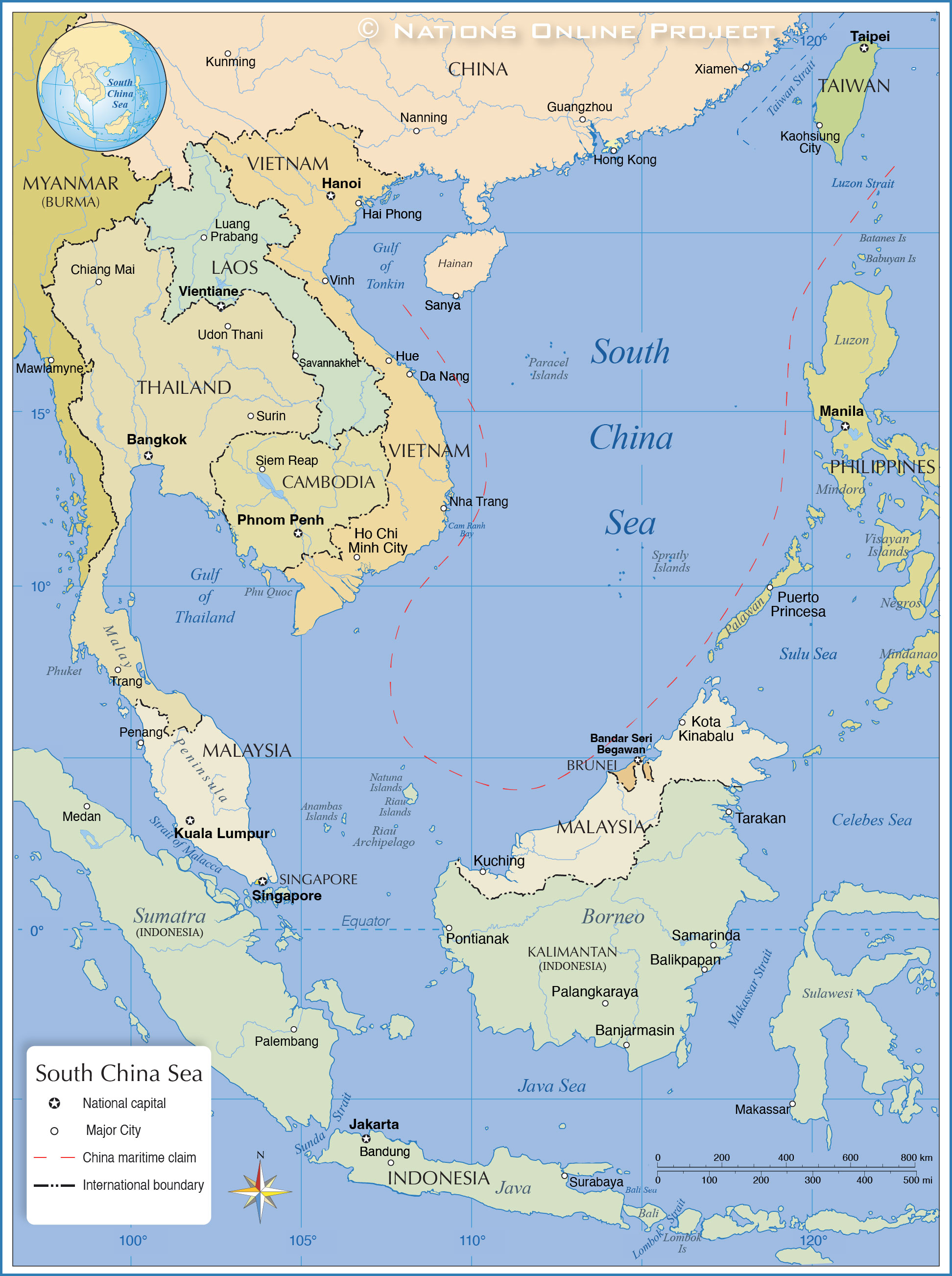
ASEAN nations—specifically Singapore, Malaysia, and Indonesia—would then face a binary choice. Complying with one power’s demands risks being seen as alignment against the other. Looi identifies several variables that would drive this scenario:
- Sanctions Escalation: Specifically targeting semiconductors, dual-use technologies, and energy cargoes.
- ASEAN Cohesion: Whether member states maintain a unified neutral posture or split into divergent national responses.
- Market Reactions: War-risk premiums and liability uncertainty that disrupt shipping rhythms before a shot is fired.
- Rerouting Costs: The availability of the Lombok and Sunda Straits, which Looi notes provide alternatives but at “substantial cost, delay, and congestion risk.”
How does the “Malacca Dilemma” drive U.S.-China competition?
The Strait is the center of China’s “Malacca Dilemma,” a term describing Beijing’s fear that external powers could sever its critical sea lines of communication. China relies on these waters for trade and energy from the Middle East, Africa, and Europe. Conversely, the U.S. views open access as the foundation of the regional order it has supported since World War II.
Looi describes this as an asymmetric reality. China views the Strait as a vulnerability, while the U.S. sees it as a guarantor of openness. For ASEAN, the waterway is an economic lifeline that must remain politically neutral. Because both superpowers are deeply embedded in the same supply chains, Looi argues that future competition will likely target technological chokepoints and regulatory leverage rather than absolute interdiction.
Can ASEAN maintain neutrality under great-power pressure?
ASEAN’s structural dilemma is the clash between economic interdependence and geopolitical non-alignment. Looi compares the potential situation to the Strait of Hormuz, where waterways become conditional corridors shaped by geopolitical signaling.
The risk is that ASEAN neutrality becomes “operationally impossible,” even if it is politically declared. According to Looi, the region lacks a robust crisis management architecture capable of handling simultaneous pressure over sanctions compliance and shipping inspections. While diplomatic forums exist, they aren’t equipped for real-time maritime deconfliction between two superpowers.
What are the commercial risks of a prolonged stalemate?
ASEAN stakeholders have three theoretical paths: align with the U.S., accommodate China, or attempt “calibrated neutrality” through case-by-case enforcement. Looi notes that the third option is the most likely but also the most unstable, as both powers may view inconsistency as strategic manipulation.
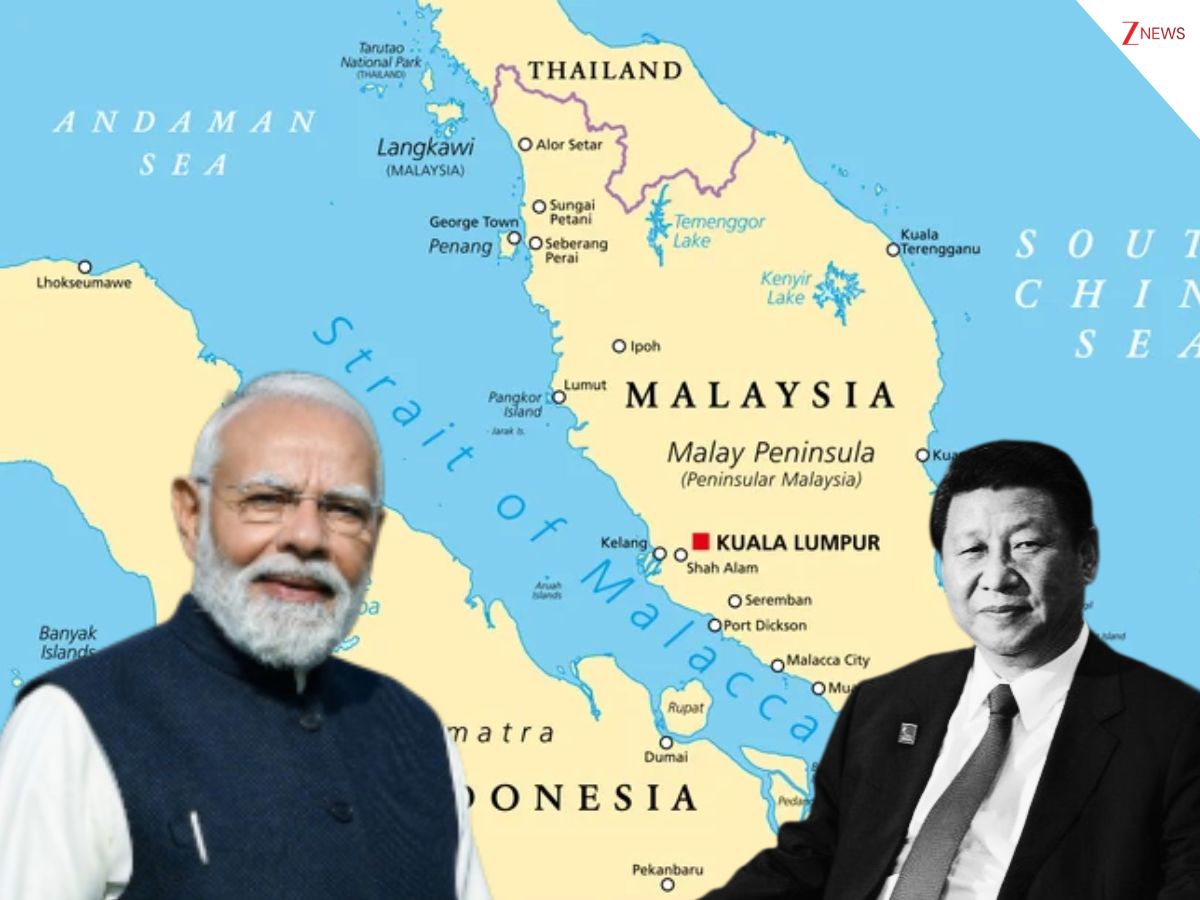
If deconfliction fails, the commercial fallout would be severe. Looi points to several likely outcomes:
- Logistics Failures: Prolonged port delays, blank sailings, and insurance surcharges.
- Industry Shocks: Disruptions to semiconductor, automotive, and energy supply chains across Northeast Asia.
- Structural Diversification: The long-term danger is that firms permanently diversify away from Malacca-dependent chains.
Looi concludes that the greatest threat is not military destruction, but the gradual loss of confidence in the reliability of neutral transit.
Frequently Asked Questions
What is the Malacca Dilemma?
It is the strategic vulnerability felt by China due to its heavy reliance on the Strait of Malacca for energy and trade, which could be blocked by a hostile naval power.
What are the alternatives to the Strait of Malacca?
The Lombok and Sunda Straits serve as alternative routes, though they increase transit time, cost, and the risk of congestion.
Why is “regulatory coercion” more dangerous than a blockade?
A blockade is a clear act of war. Regulatory coercion—such as sanctions and selective inspections—creates prolonged uncertainty and fragmented compliance, which is more damaging to modern just-in-time supply chains.
Join the Conversation: Do you believe ASEAN can maintain a credible neutrality in a U.S.-China conflict, or is alignment inevitable? Share your thoughts in the comments below or subscribe to our newsletter for more deep dives into Indo-Pacific strategy.