

The Surprising Origin of the Philadelphia Eagles Name and the Great Depression
The Philadelphia Eagles acquired their name in 1933 as a direct tribute to the National Recovery Administration (NRA), a federal agency established under President Franklin D. Roosevelt’s New Deal. According to historical records from the franchise, founders Bert Bell and Lud Wray adopted the “Blue Eagle” symbol—the NRA’s emblem of economic recovery—to reflect the spirit of national renewal during the Great Depression.
Why did the Philadelphia Eagles choose their name?
The name was a deliberate choice to align the new franchise with the political and economic climate of the 1930s. Following the collapse of the Frankford Yellow Jackets, the city’s previous NFL representative, Bell and Wray purchased the rights to a new franchise for approximately $2,500. As reported by Primero y Diez, the owners sought an identity that symbolized strength, unity, and the collective effort required to navigate the country’s financial crisis. By adopting the “Eagle,” the team mirrored the government’s own branding for industrial recovery.
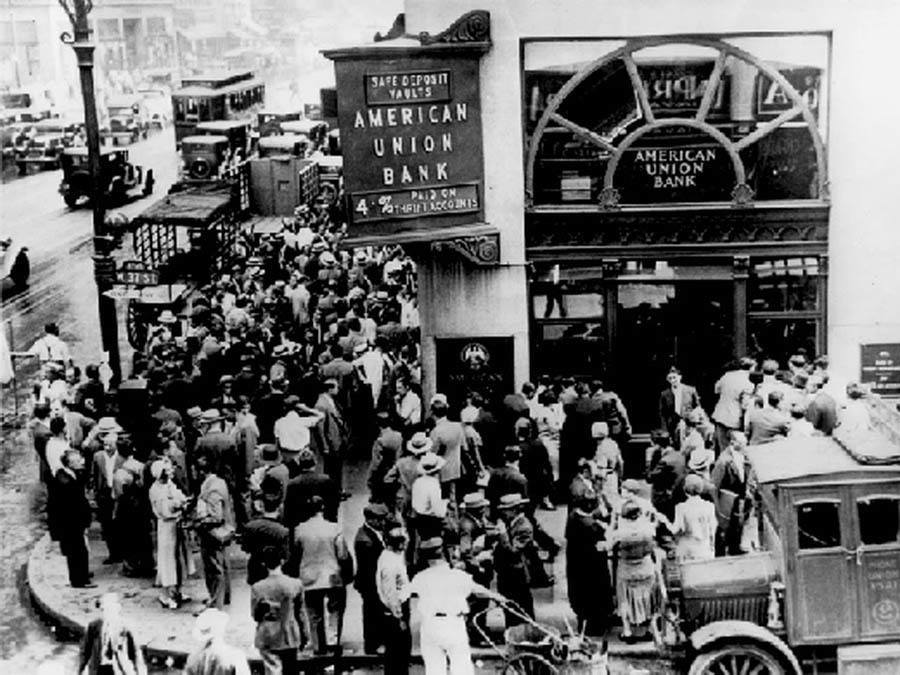
The Philadelphia Eagles and the Pittsburgh Steelers share a rare historical bond; both franchises were officially founded on the same day in 1933 as part of the NFL’s aggressive expansion strategy during the Great Depression era.
How did the Great Depression shape NFL branding?
The Great Depression forced NFL owners to move away from local, neighborhood-based identities toward broader, nationalistic symbols. The Frankford Yellow Jackets, a team that won the 1926 league championship, folded in 1931 due to the financial strain of the era. The shift to the “Eagles” represented a transition toward professionalized, corporate-aligned branding. While modern teams often utilize animal mascots for aggression, the 1933 Eagles utilized the bird as a political signifier, connecting the team’s survival to the national recovery efforts of the federal government.

What is the legacy of the “Blue Eagle” logo?
The team’s original visual identity featured an eagle clutching a football, rendered in the blue tones associated with the NRA. Although the franchise eventually transitioned to its signature midnight green, the core symbolism remains a point of historical pride. According to franchise history, the logo was intended to be more than a mascot; it was an advertisement for the resilience of the American spirit. This era of NFL history marks a period where sports teams functioned as extensions of the national identity, a stark contrast to the globalized, player-centric branding of the modern league.
Frequently Asked Questions
- Who founded the Philadelphia Eagles? Bert Bell and Lud Wray purchased the franchise in 1933 for $2,500.
- What inspired the name “Eagles”? The name was inspired by the “Blue Eagle” emblem of the National Recovery Administration, a key agency of the New Deal.
- Did the Eagles always wear green? No, the team’s original branding featured blue tones to match the NRA emblem before eventually transitioning to their current color scheme.
- What happened to the team that came before the Eagles? The Frankford Yellow Jackets were the previous Philadelphia-based NFL team, but they ceased operations in 1931 due to financial difficulties.
What do you think about the intersection of politics and sports history? Share your thoughts in the comments below or join the conversation on our social media channels. For more deep dives into NFL history, subscribe to the Primero y Diez official YouTube channel.