
The vaccines and treatments being developed for Ebola outbreak
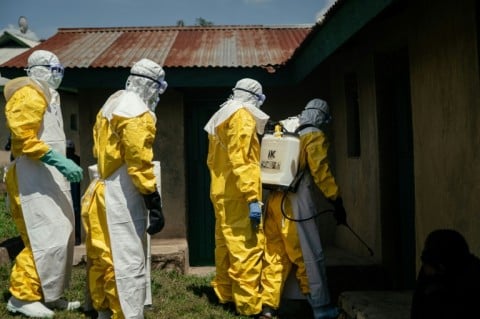
More than 800 cases of the Bundibugyo strain of Ebola have been confirmed in the Democratic Republic of Congo and Uganda since May 15, resulting in 192 deaths. According to the World Health Organization (WHO) and the Coalition for Epidemic Preparedness Innovations (CEPI), researchers are racing to develop three vaccine candidates and three treatments because no approved options currently exist for this specific strain.
Humanitarian organizations warn the true scale of the outbreak remains unknown. They cite the risk of the virus spreading through remote, poor, and conflict-wracked areas of the Democratic Republic of Congo.
Which vaccines are being developed for the Bundibugyo strain?
The WHO identified a vaccine based on the rVSV platform as the “most promising” candidate. This jab is a modified version of the only licensed Ebola vaccine, tweaked to target Bundibugyo instead of the Zaire strain.
The WHO estimates this vaccine could be ready for human testing in seven to nine months. Thomas Geisbert, a virologist at the University of Texas Medical Branch, told AFP that this timeline may be accelerated to six or seven months.
Two other candidates may reach human trials sooner. The University of Oxford and the Serum Institute of India are developing a vaccine using the ChAdOx1 platform, while Moderna is using mRNA technology.
CEPI told AFP these two vaccines could start phase 1 trials in two to three months, potentially as early as July if processes go smoothly. CEPI has pledged millions of dollars to support all three vaccine platforms.
What treatments are being prioritized for patients?
The WHO has recommended prioritizing three specific treatments for swift clinical trials. One is remdesivir, a Gilead-made antiviral used for Covid. While lab data indicates it could work for Bundibugyo, it has not been tested in humans against this strain.
Remdesivir works by pretending to be a piece of RNA to block the virus from replicating. Another priority is MBP134, a monoclonal antibody from Mapp Biopharmaceutical that targets Ebola viruses, including Bundibugyo.
The third recommended treatment is Maftivimab, a monoclonal antibody developed by Regeneron. The pharmaceutical lobby IFPMA stated this week that these candidates are being evaluated for clinical studies in affected countries.
What happens next in the fight against the outbreak?
Clinical trials for the Oxford and Moderna vaccines may begin in the coming months. If these trials proceed as expected, human testing could be underway by July.
Researchers may also continue evaluating other drugs. Gilead’s obeldesivir, an oral version of remdesivir, has protected monkeys against two other Ebola strains, though it has not yet demonstrated that ability against Bundibugyo.
Frequently Asked Questions
What is the current death toll of the Bundibugyo Ebola outbreak?
There have been 192 deaths out of more than 800 confirmed cases since May 15.
Why can’t existing Ebola vaccines be used?
The current licensed vaccine targets the Zaire strain, whereas this outbreak is caused by the Bundibugyo strain.
How do monoclonal antibody treatments work?
According to the source, monoclonal antibodies are proteins designed to function like the antibodies produced by the body’s own immune system.
Do you believe the use of mRNA technology will permanently speed up responses to future viral outbreaks?