

These Teams Could Be the Knicks of the NFL
The Miami Dolphins and Chicago Bears possess historical and brand-related parallels to the New York Knicks, suggesting a blueprint for long-term championship contention in the NFL. Analysts note that these franchises, like the Knicks, are defined by iconic past eras, star-driven rosters that fell just short of titles, and a recent history of organizational instability. For these teams to replicate the Knicks’ current resurgence, experts identify a recurring requirement: ownership must step back to allow professional management to execute a long-term vision.
The comparison between the Dolphins and the Knicks centers on a shared historical trajectory. Both franchises featured iconic groups during the early 1970s that elevated their respective brands to flagship status. In the 1980s, each team pivoted to a singular superstar—Dan Marino in Miami and Patrick Ewing in New York—who kept their teams in constant contention. By the 1990s, both clubs attempted to secure titles by hiring high-profile coaches like Jimmy Johnson and Pat Riley, though neither managed to secure a championship. This period of high expectations eventually gave way to prolonged cycles of underperformance.
The Chicago Bears’ Super Bowl XX victory in 1986 occurred on the sixth birthday of one observer, who recalls the event being marked by “Bury the Bears” t-shirts—a play on the name of then-Patriots head coach Raymond Berry.
The Bears and the Knicks’ Rebuild Path
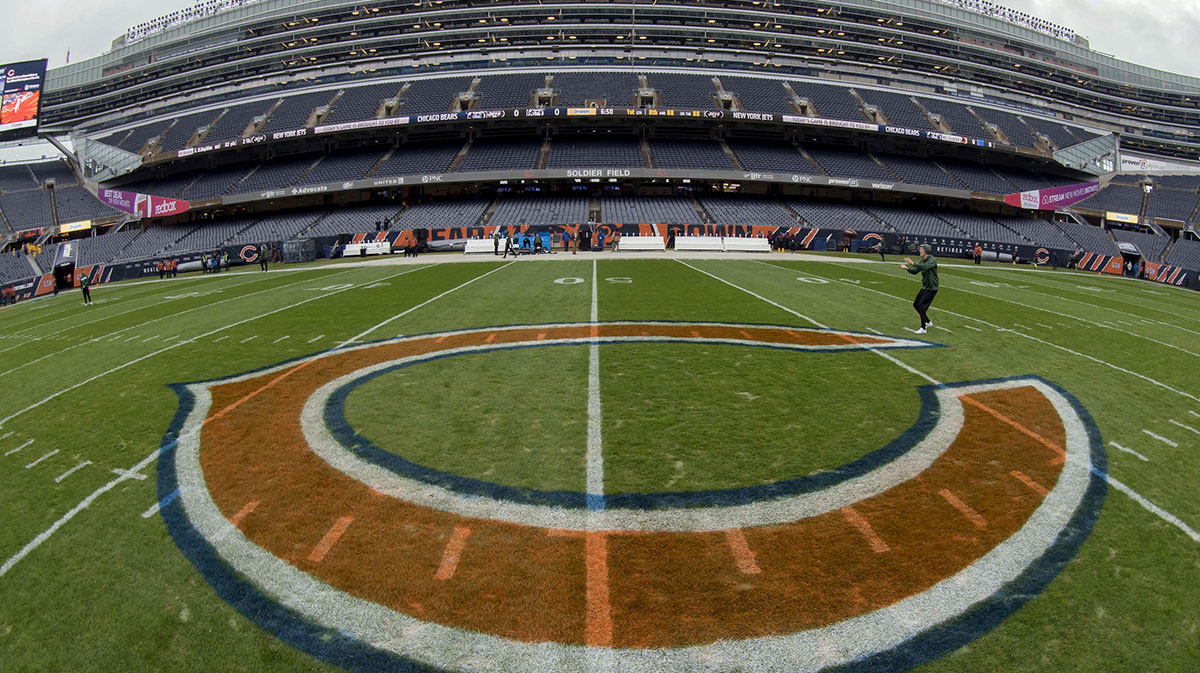
The Chicago Bears currently mirror the recent state of the New York Knicks, according to recent analysis. The Bears have established a core identity, much like the Knicks did before their recent rise, and are viewed as a bedrock NFL franchise despite decades of inconsistent play. The primary challenge for the Bears is to transition from a team that is “close” to one that competes for championships. This trajectory hinges on the development of quarterback Caleb Williams and the potential for front-office moves—such as trade deadline acquisitions—to provide the final pieces needed for a deep postseason run.
Ownership’s Role in Organizational Recovery
A critical factor in the New York Knicks’ recent success was owner James Dolan’s decision to step away from day-to-day operations, allowing Leon Rose to manage the team. Analysts argue that this serves as a cautionary tale for the New York Jets and other franchises. Woody Johnson’s tenure with the Jets has been marked by impulsive decision-making, which contrasts with the relative stability required for a rebuild. History shows that even successful owners, such as Robert Kraft or David Tepper, have struggled when they failed to distance themselves from personnel and coaching decisions.
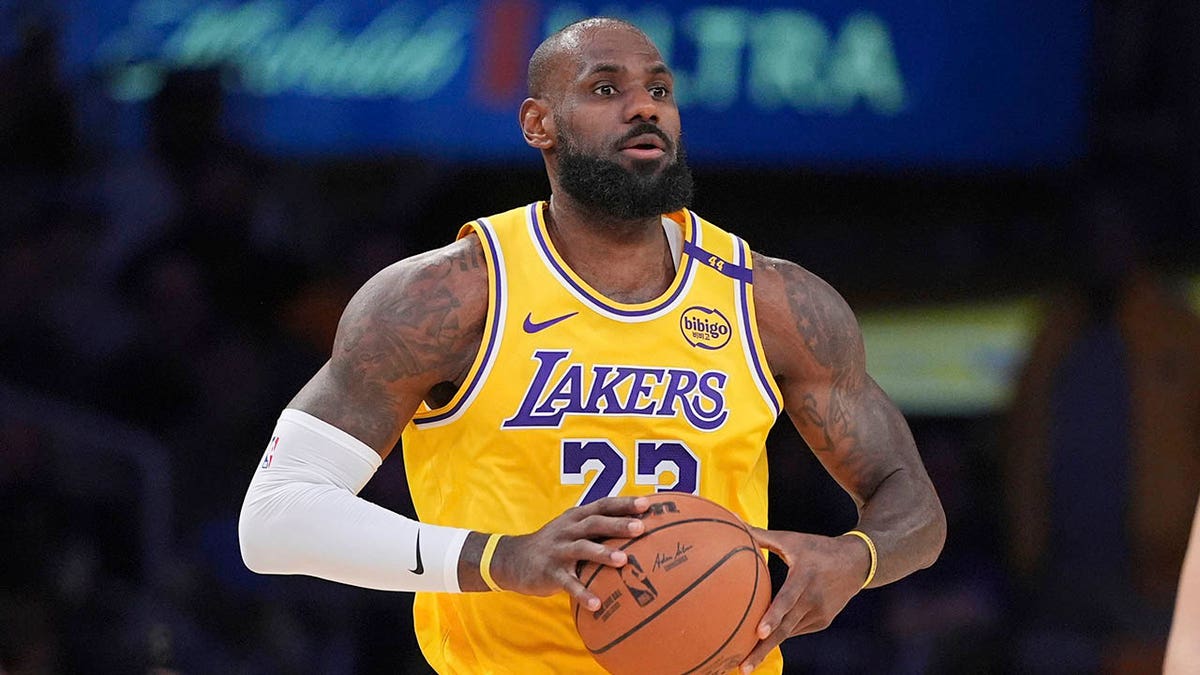
The “Knicks model” for success is not just about roster construction; it is a structural requirement. The transition from a damaged brand to a destination for talent requires a clear division of labor where the owner provides the resources but empowers the staff to execute, a hurdle that has historically derailed even the most well-resourced NFL franchises.
What May Happen Next
If the Chicago Bears follow the Knicks’ timeline, the next two years will be defining. Failure to capitalize on their current window of opportunity could force a reassessment of their strategy. For the New York Jets, any potential turnaround likely depends on a fundamental change in ownership approach. Should Woody Johnson adopt a hands-off strategy similar to Dolan’s later tenure, the team could move out of its current cycle of impulsive shifts and toward a more cohesive, long-term development phase.
Frequently Asked Questions
Why is the Miami Dolphins’ history compared to the New York Knicks?
Both teams reached flagship status in the 1970s, relied on singular superstars in the 1980s, and hired iconic coaches in the 1990s, yet both ultimately failed to reach the pinnacle of their respective sports during those windows.

What is the primary obstacle for the New York Jets in this analogy?
Analysts point to the owner, Woody Johnson, and his tendency toward impulsive decision-making. The comparison suggests the Jets need ownership to step back, similar to how James Dolan allowed the Knicks’ front office to operate independently.
How do the Chicago Bears fit into the Knicks comparison?
The Bears are viewed as being in a similar position to the Knicks just one year ago. They have established a core, but must now execute specific moves—like drafting or mid-season trades—to bridge the gap between being a competitive team and a championship contender.
Which of these NFL franchises do you believe is best positioned to mirror the Knicks’ recent turnaround?