
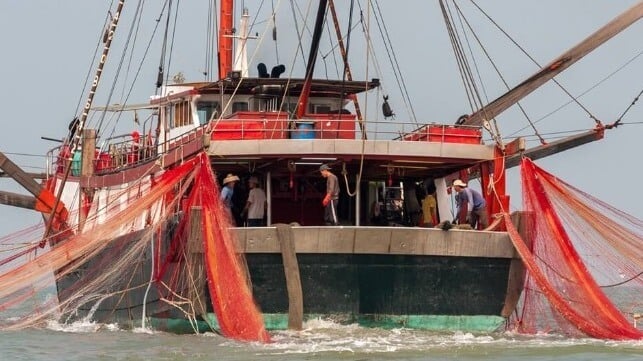
Three Countries Could Scuttle WTO’s Fishing-Subsidy Limit Agreement
The High Stakes of the “Blue Economy”: Beyond the WTO Agreement
For decades, the global fishing industry has operated under a paradoxical system: governments pay fleets to fish themselves out of existence. By pumping billions into fuel subsidies and vessel construction, major economies have effectively subsidized the depletion of the world’s oceans. However, we are now witnessing a pivotal shift toward a “Blue Economy”—a model where economic growth is decoupled from environmental degradation.
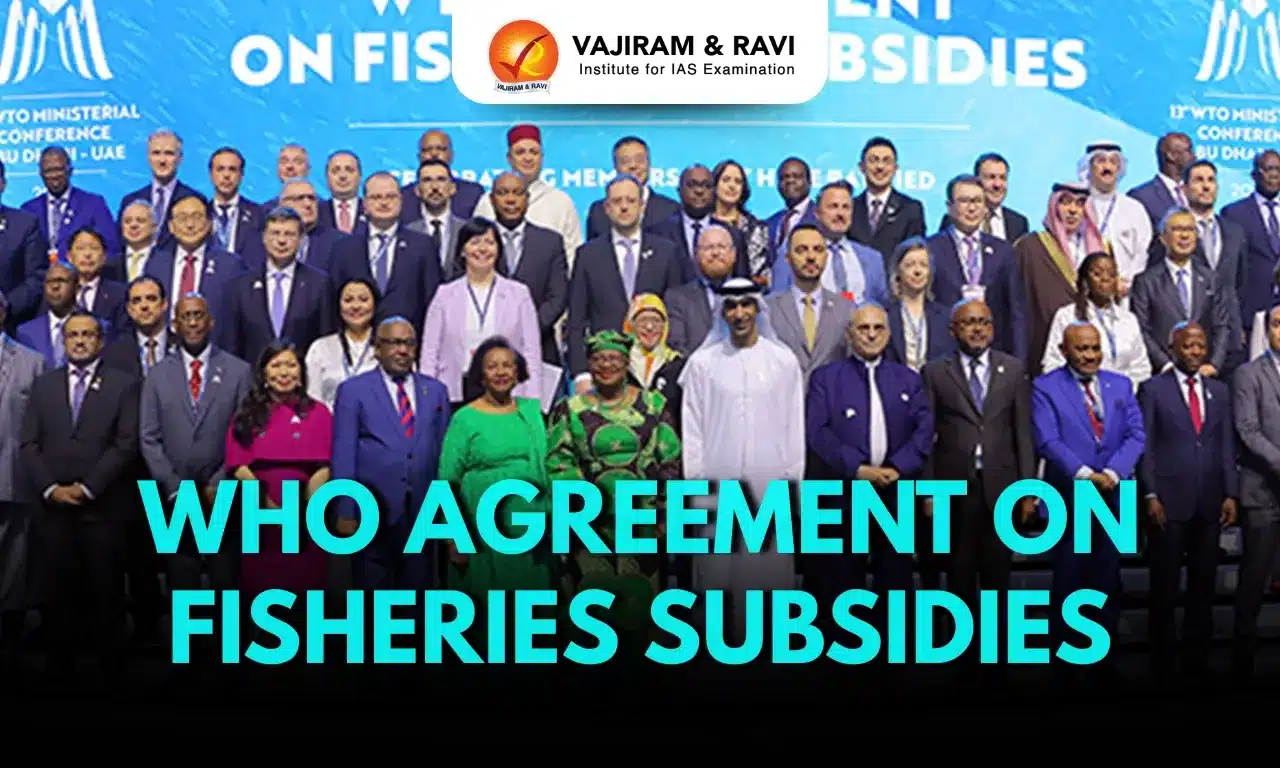
The Agreement on Fisheries Subsidies (FSA) is the first real attempt to dismantle this broken system. While the initial phase targets the most egregious violations—like illegal, unreported, and unregulated (IUU) fishing—the real battle lies in the future of “overcapacity.” When a fleet is too large for the fish stocks it pursues, the result is an inevitable crash in biodiversity and a collapse of local livelihoods.
Why “Harmful Subsidies” are a Global Economic Glitch
To the casual observer, a fuel subsidy seems like a helpful hand to a fisherman. But on an industrial scale, these subsidies act as a life-support system for unprofitable fleets. Without them, many distant-water fleets—those that travel thousands of miles from their home ports—would go bankrupt because the cost of fuel would exceed the value of the catch.
_0_1.jpg "Three Countries Could Scuttle Pacific Islands")
This creates an uneven playing field. Artisanal fishers in the Pacific Islands, who rely on sustainable, local methods, cannot compete with industrial giants that are essentially fishing with “government money.” This doesn’t just hurt the environment; it drains revenue from developing nations that sell fishing access rights to these subsidized fleets.
For more on how trade policies affect developing nations, explore our guide on global trade equity.
The Tech Revolution: Closing the Net on IUU Fishing
The future of marine conservation isn’t just about treaties; it’s about transparency. As we move forward, the effectiveness of the FSA will rely heavily on the integration of “RegTech” (Regulatory Technology) to eliminate IUU fishing.
We are seeing a trend toward “Total Transparency” in the high seas. The combination of satellite imagery, AI-driven vessel tracking (AIS), and blockchain-based catch certification is making it nearly impossible for industrial fleets to underreport their catches or breach licence conditions in secret.
- Satellite Surveillance: Real-time monitoring can now detect “dark vessels” that turn off their transponders to fish in protected waters.
- DNA Tracing: Advanced genomic testing allows regulators to verify exactly where a fish was caught, preventing “fish laundering” where IUU catch is mixed with legal stock.
- Digital Ledgers: Blockchain is being piloted to track tuna from the hook to the supermarket shelf, ensuring that the “sustainable” label actually means something.
The Geopolitical Chessboard: Pacific Islands and Global Powers
The Pacific Ocean is no longer just a resource hub; it is a geopolitical flashpoint. For Pacific Island countries, the FSA is a tool for economic sovereignty. By curbing the capacity of foreign fleets, these nations can reclaim control over their Exclusive Economic Zones (EEZs).
However, the path to a fully sustainable ocean is blocked by a clash of national interests. Countries like India and Indonesia often view strict subsidy disciplines as an infringement on their sovereignty or a threat to their small-scale fishing communities. Meanwhile, the United States has oscillated between leadership and caution, depending on the political climate in Washington.
The trend moving forward will likely be a “Coalition of the Vulnerable.” We expect to see Pacific Island nations, alongside other coastal developing states, forming stronger voting blocs within the WTO to pressure major subsidizers like China, the EU, and the US into finalizing the second phase of the agreement.
You can read more about the UN Sustainable Development Goals to see how this fits into the broader global agenda.
The “Sunset” Risk: A Test for Multilateralism
The most critical trend to watch is the “sunset clause” inherent in these negotiations. If the global community fails to agree on the second phase of the FSA—specifically regarding overcapacity—the entire agreement could potentially collapse. This would be a catastrophic blow to multilateral cooperation.
If the agreement fails, One can expect a return to “fisheries anarchy,” where the most subsidized fleets win and the most sustainable ones lose. However, the current momentum toward ocean health suggests a different path. The rise of “Blue Bonds” and sustainable finance is creating a financial incentive for governments to move away from harmful subsidies and toward regenerative ocean management.
Frequently Asked Questions
What exactly is IUU fishing?
IUU stands for Illegal, Unreported, and Unregulated fishing. This includes fishing in protected areas, using banned gear, or failing to report the actual amount of fish caught to authorities.
Why are subsidies considered “harmful”?
They are harmful when they encourage fishing beyond sustainable levels. By lowering the cost of operation, subsidies allow fleets to keep fishing even when fish stocks are dangerously low, leading to ecosystem collapse.
How does the FSA help small-scale fishers?
By removing the artificial advantage given to giant industrial fleets, the FSA levels the playing field, ensuring that local fishers have more fish in the water and fairer market prices for their catch.
What do you think? Is global cooperation enough to save our oceans, or do we need more aggressive national sanctions against overfishing? Let us know in the comments below or subscribe to our newsletter for more deep dives into the Blue Economy.