
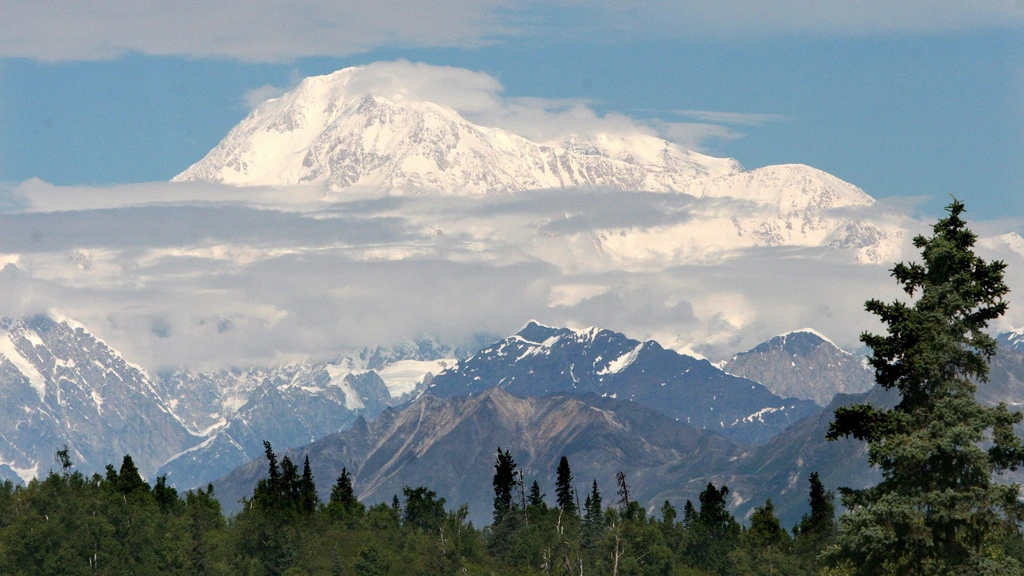
Three Latvian Climbers Die on Mount McKinley in Alaska
The New Era of Alpine Risk: Beyond the Summit
High-altitude mountaineering is undergoing a fundamental shift. While the lure of the “Seven Summits” continues to draw thousands of adventurers annually, the risks are evolving. The recent tragedy involving a Latvian climbing team near the Denali Pass serves as a sobering reminder that even seasoned groups are vulnerable to the volatile nature of the Alaska Range.
As we look toward the future of mountaineering, the intersection of climate change, commercialization and technology is redefining what it means to “conquer” a mountain.
The Tech Arms Race in Mountain Safety
We are seeing a transition from passive safety gear to active, real-time monitoring. The reliance on satellite messengers like Garmin InReach—which allowed rangers to pinpoint locations in recent Denali incidents—is just the beginning.
Future trends suggest the integration of AI-driven weather forecasting tailored to micro-climates. Instead of relying on general regional reports, climbers may soon have access to hyper-local atmospheric data, predicting window-shifts in weather patterns with minute-by-minute accuracy.
the development of lightweight, smart-textiles that can monitor a climber’s oxygen saturation and core temperature in real-time could alert teammates to the onset of HAPE (High Altitude Pulmonary Edema) before the climber even feels the symptoms.
The “Everest-ification” of Global Peaks
There is a growing trend toward the commercialization of high-altitude peaks, often referred to as “Everest-ification.” As more people attempt peaks like Denali—with 1,000 to 1,200 attempts per year—the pressure to summit can sometimes override safety instincts.
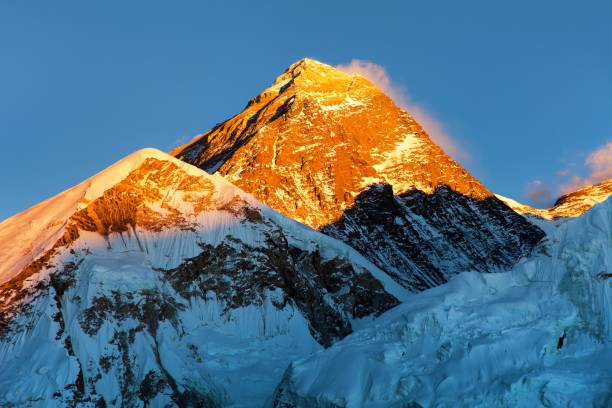
Industry experts are noticing a rise in “guided dependency,” where climbers rely entirely on their leads rather than developing their own technical skills. This creates a dangerous gap in competence if a lead guide becomes incapacitated or if a group is separated during a storm.
To counter this, we expect to see a shift toward more rigorous certification requirements for high-altitude permits. Much like the regulations seen in the Himalayas, North American peaks may eventually require proof of previous high-altitude experience to reduce the frequency of rescue operations.
Decolonizing the Map: The Battle for Geographic Identity
The tug-of-war between the names “Mount McKinley” and “Denali” is more than a political disagreement; it is part of a global movement toward the restoration of indigenous toponyms. Across the globe, we are seeing a trend where colonial-era names are being replaced by original native designations to honour cultural heritage.
This shift reflects a broader societal move toward acknowledging the original stewards of the land. In the coming years, expect more geographic entities to undergo this process as governments balance political legacies with indigenous rights.
For the mountaineering community, this brings a renewed focus on the history and spirituality of the mountains they climb, moving the narrative from “conquest” to “stewardship.”
Climate Change and Glacial Instability
One of the most concerning trends is the increasing instability of glacial routes. The Denali Pass is notorious for its crevasses, but as global temperatures rise, these ice structures are becoming more unpredictable.
Glacial retreat and melting permafrost are creating “hidden” hazards—crevasses that were previously bridged by snow are now open, and rockfalls are becoming more frequent in areas that were historically stable. This means that routes mapped ten years ago may no longer be safe today.
For more on how changing environments affect alpine routes, check out the National Park Service’s Denali Dispatches for real-time field reports.
Frequently Asked Questions
Why is Denali considered so dangerous compared to other peaks?
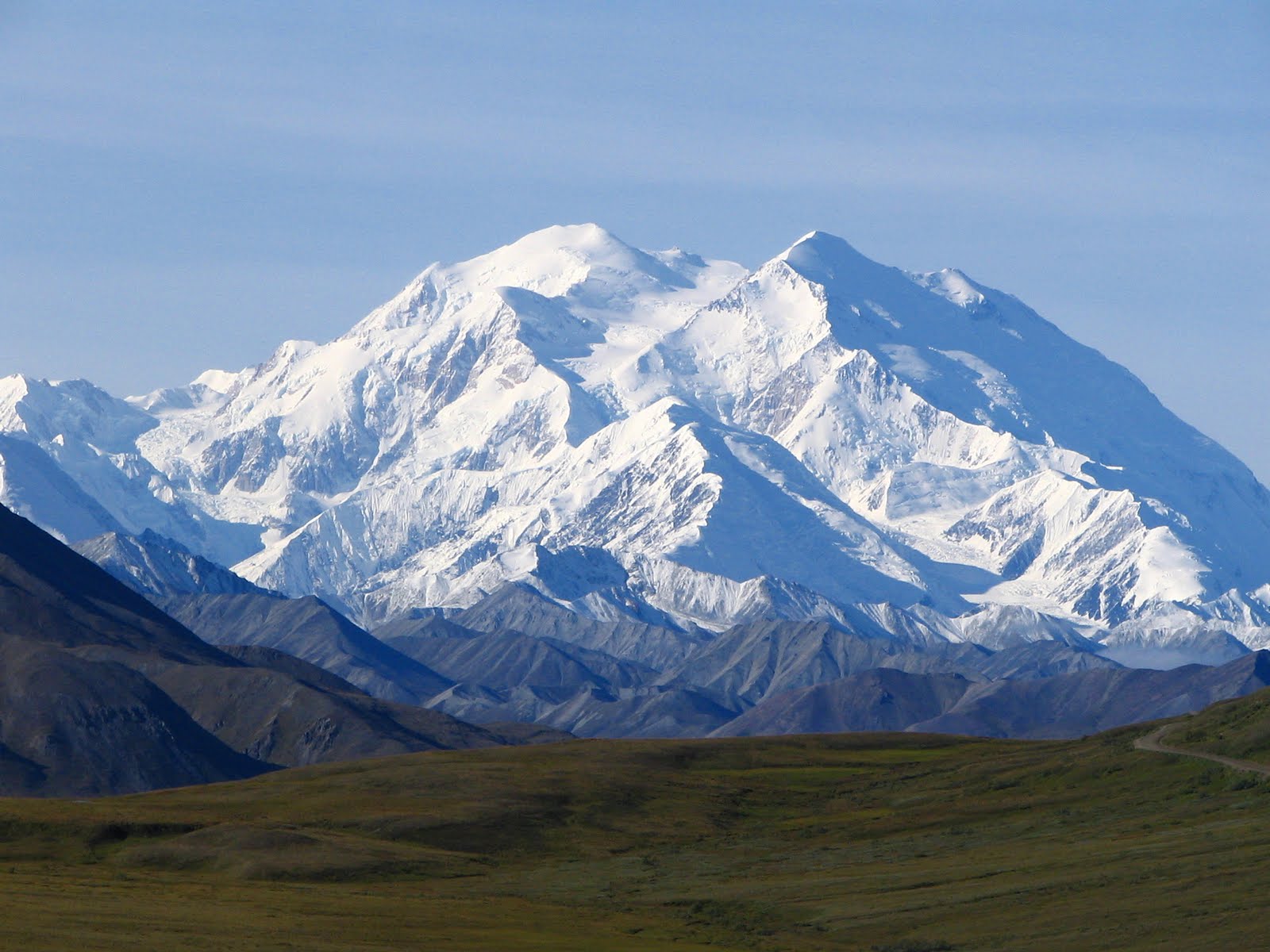
Its location in the Alaska Range exposes it to brutal weather systems from the Gulf of Alaska, creating extreme cold and unpredictable storms that can trap climbers for days.
What is the best time of year to climb Denali?
May and June are generally considered the optimal window due to more stable weather and longer daylight hours, though conditions remain hazardous.
How do climbers avoid crevasses on the Denali Pass?
Climbers typically use rope teams to ensure that if one person falls into a crevasse, the others can anchor them and perform a rescue. However, as seen in recent accidents, these measures are not foolproof.
Join the Conversation
Do you believe high-altitude peaks should have stricter entry requirements to ensure climber safety? Or should the mountains remain open to all who are brave enough to try?
Share your thoughts in the comments below or subscribe to our newsletter for more deep dives into alpine exploration.