
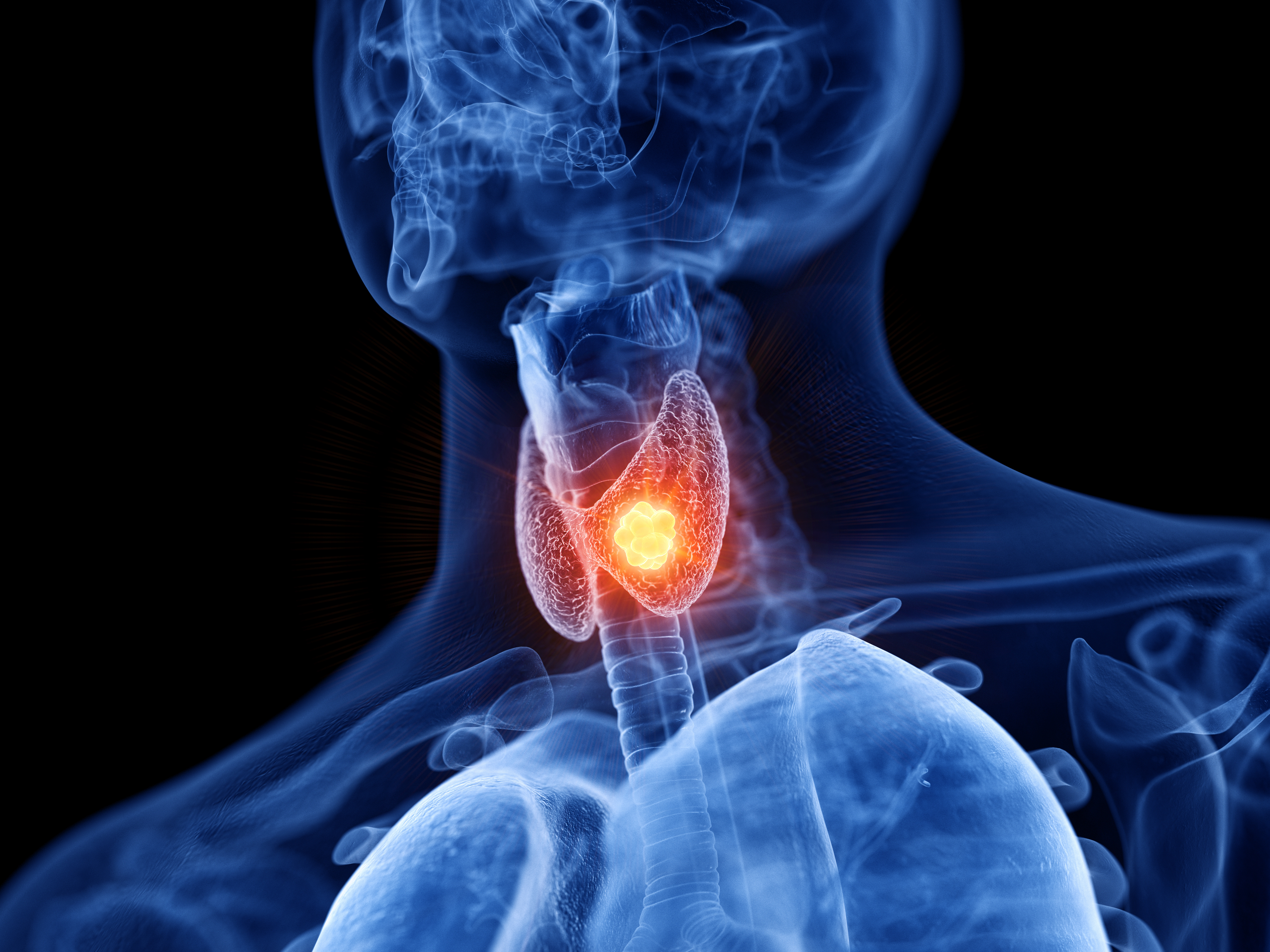
Thyroid Cancer Reproductive Lifespan, Hormone Therapy Potentially Linked to Incidence
Longer exposure to hormone replacement therapy and an extended reproductive lifespan may increase thyroid cancer risk in women, according to a study presented at ENDO 2026. Researchers found that women with a reproductive span of 40 years or more faced the highest risk increase among the 5.6 million women studied.
Jinyoung Kim, MD, PhD, an Assistant Professor at The Catholic University of Korea, stated that common life events like the timing of menopause and hormone therapy use may influence cancer risk. Dr. Kim noted that a woman’s reproductive history could be used to assess individual risks for developing thyroid cancer.
How does reproductive history affect thyroid cancer risk?
The study found that thyroid cancer risk increases progressively with a longer reproductive span. For women with a reproductive span of 30 years or more, the adjusted hazard ratio (aHR) was 1.09.
Risk rose to an aHR of 1.19 for those with a span of 35 years or more. The highest risk was observed in women with a reproductive span of 40 years or more, showing an aHR of 1.30.
What role does hormone replacement therapy play?
Women using hormone replacement therapy showed an increased risk of thyroid cancer. This association was more pronounced in women who received the therapy for at least five years, resulting in a hazard ratio (HR) of 1.25.
Other factors showed varying results. While a history of lactation was associated with a reduced risk, parity did not show a clear association with thyroid cancer risk.
Why does this occur and what happens next?
The total incidence of thyroid cancer in the study cohort was 2.4 per 1,000 person-years. Researchers suggest that cumulative endogenous hormonal exposure likely impacts thyroid carcinogenesis.
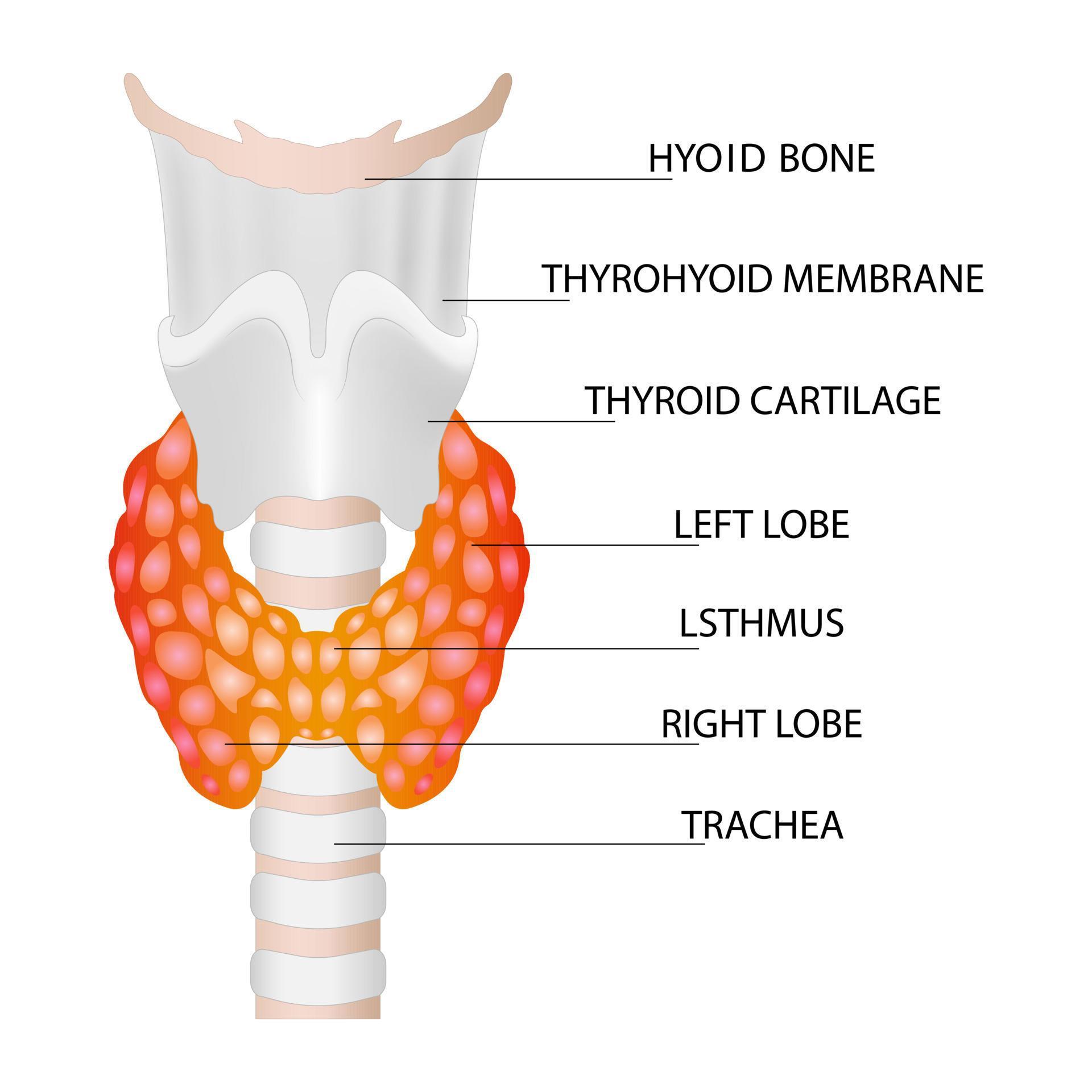
This hormonal influence could explain why thyroid cancer diagnoses are more predominant in women than in men. Future clinical assessments may incorporate reproductive history as a standard metric for evaluating individual cancer risk.
The study used Cox proportional hazard regression models to adjust for variables including age, smoking, alcohol consumption, BMI, and household income. Data was tracked via Korean National Health Insurance Service claims until 2023.
Frequently Asked Questions
Who was included in the research study?
The study included 5,659,432 women aged 40 years or older who participated in national breast and cervical cancer screening programs in Korea between 2010 and 2011.
What is the risk associated with long-term hormone replacement therapy?
Women who used hormone replacement therapy for at least five years showed an increased risk of thyroid cancer, with a hazard ratio of 1.25.
Does lactation influence thyroid cancer risk?
According to the study findings, a history of lactation was associated with a reduced risk of thyroid cancer.
How do you discuss long-term health risks and reproductive history with your healthcare provider?