
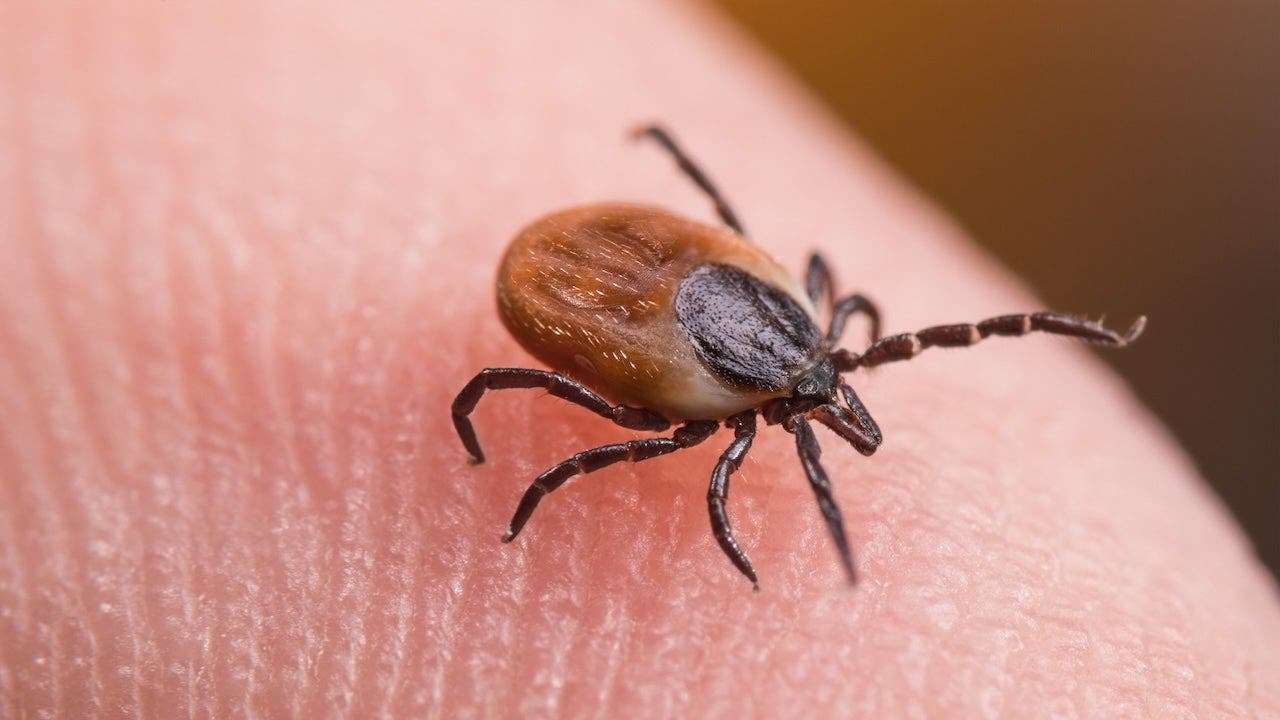
Tick bite ER visits hit highest seasonal level amid Lyme disease surge
Emergency department visits related to tick bites have climbed to their highest seasonal levels since 2017. Recent data from the Centers for Disease Control and Prevention’s Tick Bite Tracker reveals a sharp increase in patient encounters, with approximately 71 tick-related visits per 100,000 emergency department encounters recorded in April 2026. This figure significantly outpaces the historical seasonal average of roughly 30 per 100,000.
The risk of illness varies significantly by tick type and attachment time. While Lyme disease transmission generally requires a blacklegged tick to be attached for at least 36 hours, the Powassan virus can be transmitted within minutes of attachment.
The Expanding Geographic Threat
The rise in medical visits is linked to the shifting habitats of tick populations. Over the last three decades, the geographic range of the blacklegged tick has expanded significantly, increasing the prevalence of Lyme disease in regions such as the Ohio River Valley. In Ohio, cases have risen roughly 10-fold over the past decade as tick populations from the Northeast and Upper Midwest converge.
Other species, including the lone star tick, are also moving into new territories. This migration introduces the risk of ehrlichiosis and alpha-gal syndrome—a condition that can trigger severe allergic reactions to red meat—into areas where clinicians may be less familiar with these specific diagnoses.
The intersection of climate shifts and land-use changes suggests that tick-borne diseases are no longer confined to traditional endemic zones. As warmer, wetter conditions allow these parasites to survive in previously inhospitable climates, the burden on the healthcare system is likely to grow, requiring heightened vigilance from both the public and medical providers in newly affected regions.
Drivers of the Surge
Experts point to a combination of environmental and ecological factors fueling this spike. Milder winters and changing precipitation patterns allow ticks to thrive in ecosystems that were once too cold, while also extending the lifespans of the animals they use as hosts. The expansion of white-tailed deer populations and the role of white-footed mice as reservoir hosts for Borrelia burgdorferi further accelerate the spread of disease.
Looking ahead, the situation could intensify. Climate models indicate that the suitable habitat for the blacklegged tick could expand by more than 200% by the end of the century, potentially reaching across the central and southern U.S. And into Canada. As these populations establish themselves, the frequency of encounters between humans and ticks in wooded or grassy areas is expected to remain a significant public health concern.
Prevention and Awareness
Because there are currently no vaccines available for tick-borne diseases in the U.S., prevention remains the primary defense. Experts recommend using EPA-approved repellents like DEET or picaridin, wearing light-colored clothing, and performing thorough body checks after outdoor activities. Showering within two hours of coming indoors and tumble-drying clothing on high heat for 10 minutes are also effective measures for reducing risk.
Frequently Asked Questions
What are the common symptoms of tick-borne illnesses?
Patients may experience fever, chills, fatigue, headaches, muscle aches, and joint pain. A classic “bull’s-eye” rash, known as erythema migrans, is also a clinical sign of Lyme disease.
Why is testing sometimes unreliable early on?
Testing can occasionally yield false negatives during the early stages of an infection. Medical professionals may choose to treat patients based on their symptoms and history of exposure rather than waiting for laboratory confirmation.
What should I do if I find a tick attached to me?
Ticks should be removed promptly using fine-tipped tweezers. Grasp the tick as close to the skin as possible and pull upward with steady, even pressure, then clean the bite area thoroughly.
How have changes in your local environment influenced the way you approach outdoor activities during the warmer months?