

Tick-Borne Diseases on the Rise: What You Need to Know
Tick-borne diseases and emergency department visits for them reached their highest levels in a decade in 2023, according to the Centers for Disease Control and Prevention (CDC). The increase coincides with expanded tick habitats and greater outdoor activity, as documented in a report analyzing regional case trends. A female adult deer tick, identified as *Ixodes scapularis*, was recently collected in Annapolis, Maryland, highlighting the growing public health concern tied to these arthropods.
The CDC reports that warmer temperatures and milder winters have enabled ticks to survive in regions previously too cold for them, extending their active seasons. This shift has led to the spread of diseases such as Lyme disease, Rocky Mountain spotted fever, and alpha-gal syndrome. For example, the American dog tick, which transmits Rocky Mountain spotted fever, has been found in higher latitudes like Canada, where it was once uncommon.
Land development and suburban expansion have also increased human-tick interactions. As communities encroach on wooded areas, people face greater exposure to deer, mice, and other wildlife that serve as tick hosts. Lyme disease, the most prevalent tick-borne illness in the U.S., affects nearly 500,000 patients annually. It is caused by *Borrelia burgdorferi* and typically requires 1-2 days of attachment to transmit the bacteria, with symptoms including fever, fatigue, and a bull’s-eye rash.
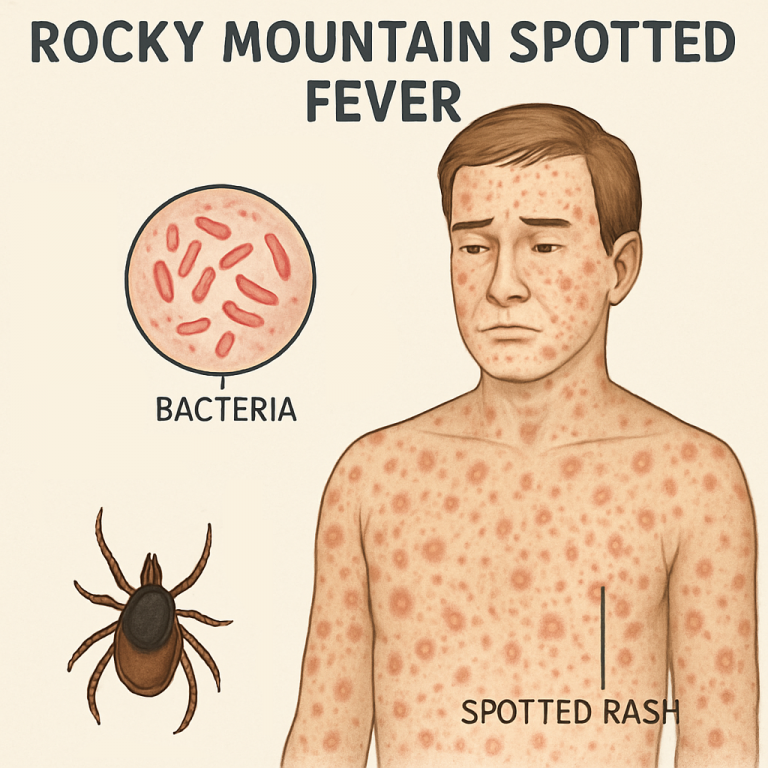
Rocky Mountain spotted fever, transmitted primarily by the American dog tick, has a fatality rate of up to 25% if untreated, according to the CDC. Alpha-gal syndrome, linked to the lone star tick, triggers red meat allergies through a sugar molecule in tick saliva. Prevention methods include wearing protective clothing, using EPA-approved repellents, and conducting full-body tick checks after outdoor activities.
Did You Know? The deer tick, or *Ixodes scapularis*, is responsible for transmitting Lyme disease and babesiosis, two of the most common tick-borne illnesses in the United States.
Expert Insight: Samantha Carter, a public health analyst, notes that the geographic expansion of ticks mirrors broader climate trends, creating new challenges for rural and urban communities alike. “The overlap of environmental change and land use patterns is reshaping where and how these diseases emerge,” she says. “Prevention strategies must adapt to these shifting dynamics.”
The CDC emphasizes that early treatment with doxycycline is critical for both Lyme disease and Rocky Mountain spotted fever. Alpha-gal syndrome, while not curable, can be managed through dietary restrictions and emergency epinephrine use. As tick populations grow, public awareness and preventive measures remain key to mitigating health risks.
Health officials caution that the combination of climate shifts and habitat changes could lead to further disease spread. While no new policies or interventions are mentioned in the source, the CDC continues to monitor trends and update guidance for healthcare providers and the public.
As outdoor activity increases, the likelihood of tick encounters is expected to rise. The CDC recommends ongoing vigilance, including regular tick checks and adherence to preventive protocols. The agency also highlights the importance of reporting tick-borne illness cases to track regional patterns.
With tick populations expanding across the country, the focus remains on education and proactive measures to reduce exposure. The long-term impact of these trends on healthcare systems and public health infrastructure is a growing area of concern, though no specific projections are outlined in the source.
Health professionals advise individuals to stay informed about local tick activity and follow recommended prevention steps. The CDC also encourages reporting unusual symptoms or tick bites to local health departments for monitoring purposes.
The interplay between environmental factors and human behavior will likely shape the trajectory of tick-borne diseases in the coming years. While the exact outcomes remain uncertain, the emphasis on prevention and early intervention is expected to remain a priority for public health efforts.
Frequently Asked Questions
[What is the most common tick-borne illness in the U.S.?]
Lyme disease is the most common tick-borne illness, with nearly 500,000 patients treated annually, according to the CDC.
[How is Rocky Mountain spotted fever typically transmitted?]
It is primarily transmitted by the American dog tick, though other tick species can also spread the disease.
[What are the key prevention methods for tick-borne diseases?]
Prevention includes wearing long sleeves and pants, using EPA-approved repellents, treating clothing with permethrin, and conducting full-body tick checks after outdoor activities.
What steps can communities take to reduce tick-borne disease risks as development continues?