
Tiny algae-based robots could improve bladder cancer treatment
Researchers from the University of Edinburgh and Xiamen University have developed magnetic microbots made from microalgae to improve bladder cancer treatment. According to a study in Nature Nanotechnology, these biohybrid robots increased chemotherapy drug penetration by more than ten times in mice, reducing tumor burden to less than 3% compared to conventional methods.
How do algae-based robots deliver chemotherapy?
The microbots are engineered from single-celled, tablet-like microalgae that are both biocompatible and biodegradable. Researchers load these robots with the chemotherapy drug doxorubicin and guide them toward tumors using externally programmed magnetic fields.
Using real-time ultrasound imaging feedback, the team controls the swarm’s movement inside the bladder. The robots roll and rotate to switch between transport and release modes, which Dr. Qi Zhou, a lecturer at the University of Edinburgh, says allows them to release drugs exactly where they are needed.
Why is this technology needed for bladder cancer?
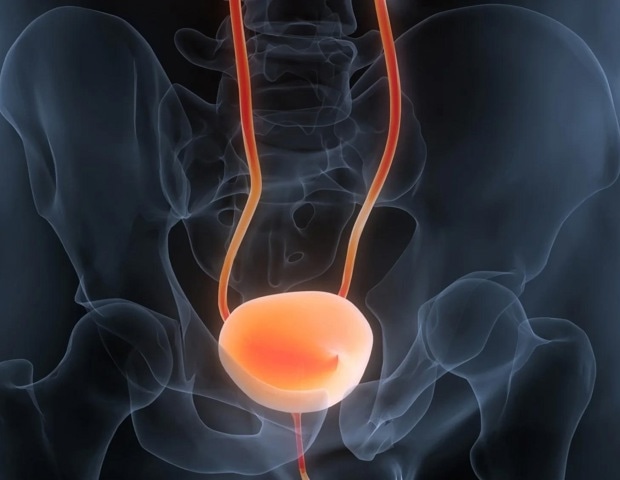
Bladder cancer ranks among the ten most common cancers globally. Standard treatment often involves surgery to remove the tumor followed by direct drug instillation via a catheter, according to the research team.
Conventional drugs often struggle to penetrate deeply into tumor tissue. This limitation can require higher doses or longer treatment times to be effective. The microbots overcome these biological barriers by actively driving the drugs into the tissue.
What were the results of the lab tests?
In tests conducted on mice with bladder tumors, the microbots delivered drugs rapidly and efficiently while minimizing side effects. The researchers observed a tumor burden reduction to less than 3% of that seen in the conventional treatment group after one week of therapy.
Treatment time in mice was completed in approximately 30 minutes. This is significantly shorter than the exposure times typically required for conventional treatments, the study reports.
What happens next for the algebots?
The research team is currently discussing translational follow-up studies with hospitals. Professor Xiaohui Yan of Xiamen University stated the long-term goal is to move toward clinical trials.
These potential trials may occur after further preclinical validation and regulatory review. Researchers suggest the improved therapeutic effect could support the development of less invasive bladder cancer treatment strategies.
The study, authored by Lin, L., et al. (2026), was published in Nature Nanotechnology and was partly sponsored by The RS Macdonald Seedcorn Fund.
Frequently Asked Questions
What drug is used in the microbots?
The microbots are loaded with the chemotherapy drug doxorubicin.
How are the microbots controlled inside the body?
They are guided by externally programmed magnetic fields and tracked using real-time ultrasound imaging feedback.
What are the advantages of using microalgae for these robots?
Microalgae are biocompatible, biodegradable, cost-effective, and suitable for scalable production, according to the researchers.
How do you feel about the use of biohybrid robots in medical treatments?