
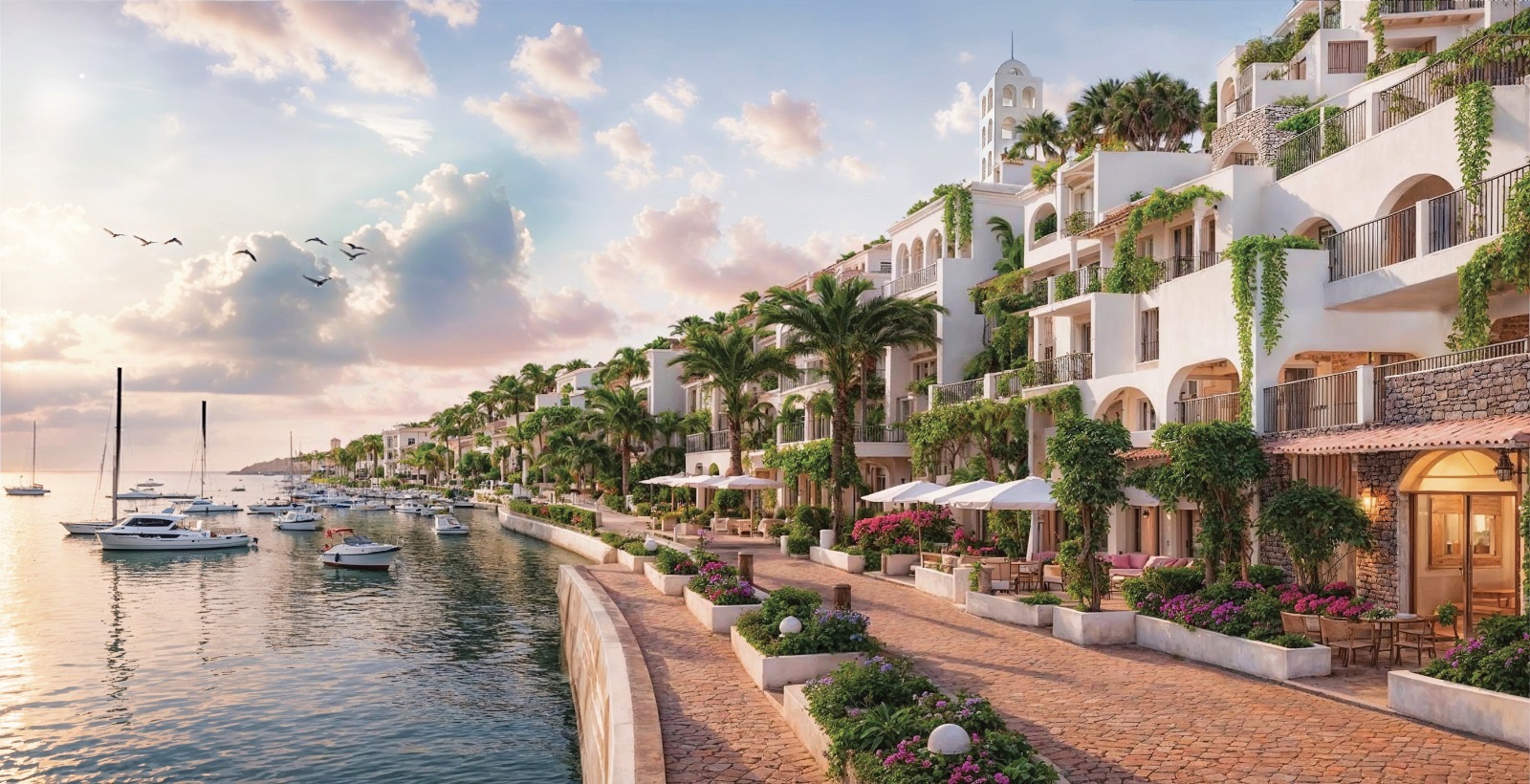
TMG Dominates Egypt’s North Coast Real Estate Market With EGP 130bn Sales
The Evolution of Egypt’s North Coast: From Seasonal Escapes to Global Investment Hubs
For decades, Egypt’s North Coast was defined by the “summer rush”—a frantic few months of activity followed by a quiet winter. However, recent market shifts, spearheaded by massive developments like Talaat Moustafa Group’s (TMG) SouthMED, signal a fundamental transformation. We are no longer looking at mere vacation spots. we are witnessing the birth of integrated, year-round coastal cities.
With the North Coast accounting for a staggering 36% of total real estate sales nationwide, the region has become the primary engine for Egypt’s property growth. The sheer scale of investment—reaching EGP 1.2 trillion over a two-year span—suggests that the “Mediterranean Dream” is being institutionalized for a global audience.
The Rise of Branded Residences: The New Gold Standard
One of the most significant trends emerging in the region is the pivot toward branded residences. The integration of global names like the Four Seasons into projects like SouthMED isn’t just about prestige; it’s about risk mitigation and value retention for the buyer.

Branded residences typically command a premium over non-branded luxury properties because they guarantee a specific standard of service, maintenance and management. For the international investor, a “Four Seasons” label acts as a universal currency of quality, making the property easier to rent or resell on a global platform.
Why Branded Luxury is Winning
- Consistent Quality: Buyers trust global hospitality standards over local developer promises.
- Higher Rental Yields: Branded units often attract higher-paying short-term tenants.
- Asset Preservation: Professional management ensures the property doesn’t deteriorate during the off-season.
As more developers follow this lead, One can expect the North Coast to evolve into a curated collection of “hospitality-led” communities, shifting the focus from the size of the villa to the quality of the lifestyle experience.
Financial Engineering: Lowering the Barrier to Ultra-Luxury
The traditional model of coastal real estate involved high down payments and short repayment windows. However, TMG has disrupted this by introducing highly competitive financing, such as down payments as low as 1.5% and repayment terms stretching to 15 years.
This shift in real estate financing is a strategic move to democratize ultra-luxury. By lowering the entry point, developers are tapping into a wider demographic of middle-to-upper-class investors who can afford monthly installments but cannot liquidate huge sums of cash upfront.
This “financialization” of luxury property means that the market is becoming more liquid. When the barrier to entry is lower, the velocity of sales increases, which in turn drives up the overall valuation of the region.
From “Summer Resorts” to “Coastal Urbanization”
The blueprint for future developments in El Dabaa and beyond is no longer about “chalets, and beaches.” The inclusion of international marinas, yacht clubs, wellness centers, and commercial hubs indicates a move toward Coastal Urbanization.
The goal is to create a destination where people can live, work, and receive healthcare year-round. The presence of a world-class golf course and a global entertainment destination suggests that the North Coast is positioning itself as a competitor to Mediterranean hubs like the French Riviera or the Costa del Sol.
For those tracking Egyptian real estate trends, this shift is critical. Properties in “integrated cities” historically appreciate faster than those in “seasonal resorts” because they possess intrinsic utility throughout the year.
The “Execution Gap”: Why Tangible Progress is the New Currency
In a market saturated with glossy brochures and 3D renders, the “Execution Gap”—the difference between what is promised and what is built—has become the biggest risk for buyers. The market is now rewarding developers who show “concrete momentum.”
The fact that the first phase of SouthMED has already completed concrete works is a powerful psychological trigger for investors. In the current economic climate, delivery certainty is more valuable than a low price point. We are seeing a trend where buyers are migrating toward developers with a proven track record of on-time delivery, regardless of the premium cost.
Key Metrics Buyers Now Prioritize:
- Construction Velocity: How fast is the site moving from foundation to finishing?
- Infrastructure Readiness: Are the roads, water, and power grids being built alongside the units?
- Delivery Track Record: Does the developer have a history of meeting deadlines in previous phases?
Frequently Asked Questions
Is the North Coast a good investment for long-term capital growth?
Yes, especially in projects that offer integrated services (healthcare, retail, and hospitality). The shift toward year-round usage increases the potential for both capital appreciation and rental income.

What is the advantage of a 15-year payment plan in real estate?
It allows investors to leverage their capital. Instead of paying a huge sum upfront, they can maintain liquidity while the property’s value increases, effectively paying for the asset using its own appreciation.
How do branded residences differ from standard luxury villas?
Branded residences are managed by a global hospitality brand (like Four Seasons), ensuring a standardized level of luxury, maintenance, and concierge services that are not typically available in standard developments.
When is the best time to enter the North Coast market?
Generally, the highest returns are seen during the “infrastructure phase”—after the developer has proven execution (concrete works) but before the final delivery and full occupancy.
What do you think about the shift toward year-round living on the North Coast? Would you invest in a branded residence, or do you prefer the privacy of a traditional luxury villa? Let us know in the comments below or subscribe to our newsletter for the latest insights into the Egyptian property market.