
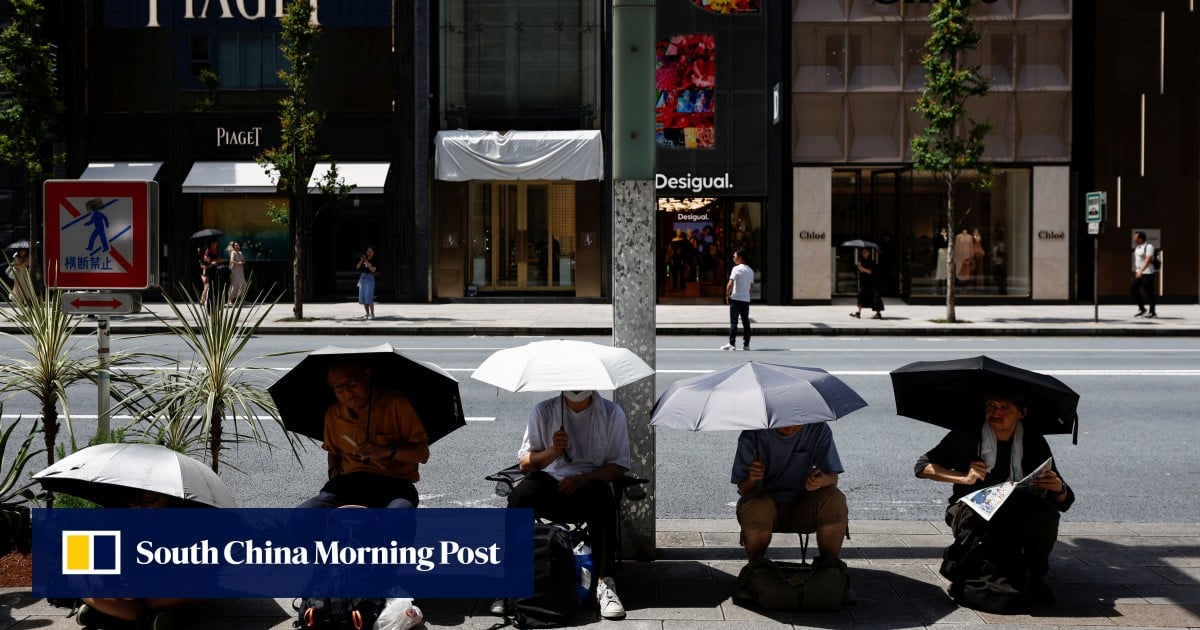
Tokyo’s New Office Dress Code: Shorts Allowed to Save Energy
Tokyo Governor Yuriko Koike has authorized male employees of the Tokyo Metropolitan Government to wear shorts in the office to combat extreme summer heat. Announced in April, the policy urges businesses across the capital to adopt relaxed dress codes, expanding on the “Cool Biz” energy-saving campaign Koike initiated in 2005.
Why is Tokyo allowing shorts in the office?
The Tokyo Metropolitan Government (TMG) introduced the policy to prioritize employee health and energy efficiency during increasingly severe heatwaves. According to the TMG, the goal is to reduce the reliance on high-powered air conditioning in government buildings.
By allowing shorts, the city aims to lower the ambient temperature workers feel, which in turn allows for higher thermostat settings. This move reflects a shift in how the city manages urban heat islands and worker productivity during the humid summer months.
How does this differ from the 2005 “Cool Biz” campaign?
While both initiatives target energy savings, the scale of relaxation has increased. In 2005, Yuriko Koike, then Japan’s environment minister, led a movement where “salarymen” stopped wearing ties and suit jackets. This was a significant departure from the rigid corporate attire of the time, but it still maintained a baseline of formal trousers.
The current directive is more aggressive. By permitting shorts, the TMG is challenging the remaining taboos of Japanese professional attire. The transition from “no ties” to “no trousers” marks a move from moderate comfort to climate-adaptive clothing.
| Feature | 2005 Cool Biz | Current TMG Policy |
|---|---|---|
| Primary Change | No ties or jackets | Shorts permitted |
| Scope | National energy campaign | Tokyo municipal government/businesses |
| Driver | CO2 reduction | Extreme heat & worker wellness |
Will other Japanese businesses follow the Tokyo government?
Industry analysts suggest the TMG’s move provides “political cover” for private companies to relax their own rules. Traditionally, Japanese firms avoid being the first to break social norms for fear of appearing unprofessional to clients. However, when the Governor of Tokyo explicitly urges businesses to adopt these standards, the risk of social stigma decreases.
This trend aligns with a broader shift toward environmental sustainability and the modernization of the “salaryman” image. As Japan faces a labor shortage, companies are using flexible dress codes to attract younger talent who prioritize comfort and mental well-being over traditional formality.
What happens next for professional attire in Asia?
The move in Tokyo likely signals a regional trend toward “climate-aware” professionalism. As temperatures rise across East Asia, the insistence on Western-style suits—which are ill-suited for tropical humidity—is becoming a liability for productivity.

We can expect more cities to implement “seasonal dress codes” that are legally or officially sanctioned by local governments. This removes the burden from the individual employee to negotiate dress code changes with conservative management.
Frequently Asked Questions
Is wearing shorts now mandatory in Tokyo offices?
No. The Tokyo Metropolitan Government allows the practice and urges businesses to follow suit, but it remains an option for employees and employers.
Who started the “Cool Biz” movement?
Yuriko Koike helped launch the national campaign in 2005 during her tenure as Japan’s environment minister.
Why is dress code linked to energy saving?
Lighter clothing reduces the need for aggressive air conditioning, which lowers electricity consumption and carbon emissions from power plants.
Join the Conversation
Do you think professional dress codes should change based on the weather? Would you feel comfortable wearing shorts to your workplace?
Share your thoughts in the comments below or subscribe to our newsletter for more updates on global workplace trends.