

Top 11 Leading E-Commerce Companies in the USA
Beyond the Cart: The Next Frontier of American E-Commerce
The landscape of online shopping in the USA has moved past the simple “search and buy” phase. We are now entering an era where the boundary between the digital screen and the physical storefront is practically invisible. From the behemoths like Amazon and Walmart to niche disruptors like Chewy and Etsy, the goal is no longer just about selling a product—it’s about owning the entire customer journey.
As we look toward the next decade, the winners won’t just be the companies with the most inventory, but those who can master the intersection of data, psychology, and logistics.
The Rise of Predictive Commerce: AI That Knows You Better Than You Do
We’ve all seen the “Recommended for You” section. But the future of e-commerce is moving from reactive recommendations to predictive commerce. Imagine a world where your household essentials arrive at your door before you even realize you’ve run out.
Companies like Amazon and Chewy are already leveraging machine learning to analyze consumption patterns. The next step is the integration of IoT (Internet of Things). Smart refrigerators and pantries will communicate directly with retailers, triggering automatic orders based on real-time weight sensors or visual recognition.
Hyper-Personalization at Scale
The goal is “Segment-of-One” marketing. Instead of grouping users into broad demographics, AI will allow brands to create a unique storefront for every single visitor. The layout, the pricing, and the product selection will shift dynamically based on the user’s current mood, local weather, and past browsing behavior.
For more on how to leverage data in your own business, check out our guide to data-driven growth.
The “Phygital” Merge: Why Physical Stores Aren’t Dying
There is a common misconception that e-commerce kills brick-and-mortar. In reality, it’s evolving it. We are seeing the rise of “Phygital” retail—a seamless blend of physical and digital experiences.
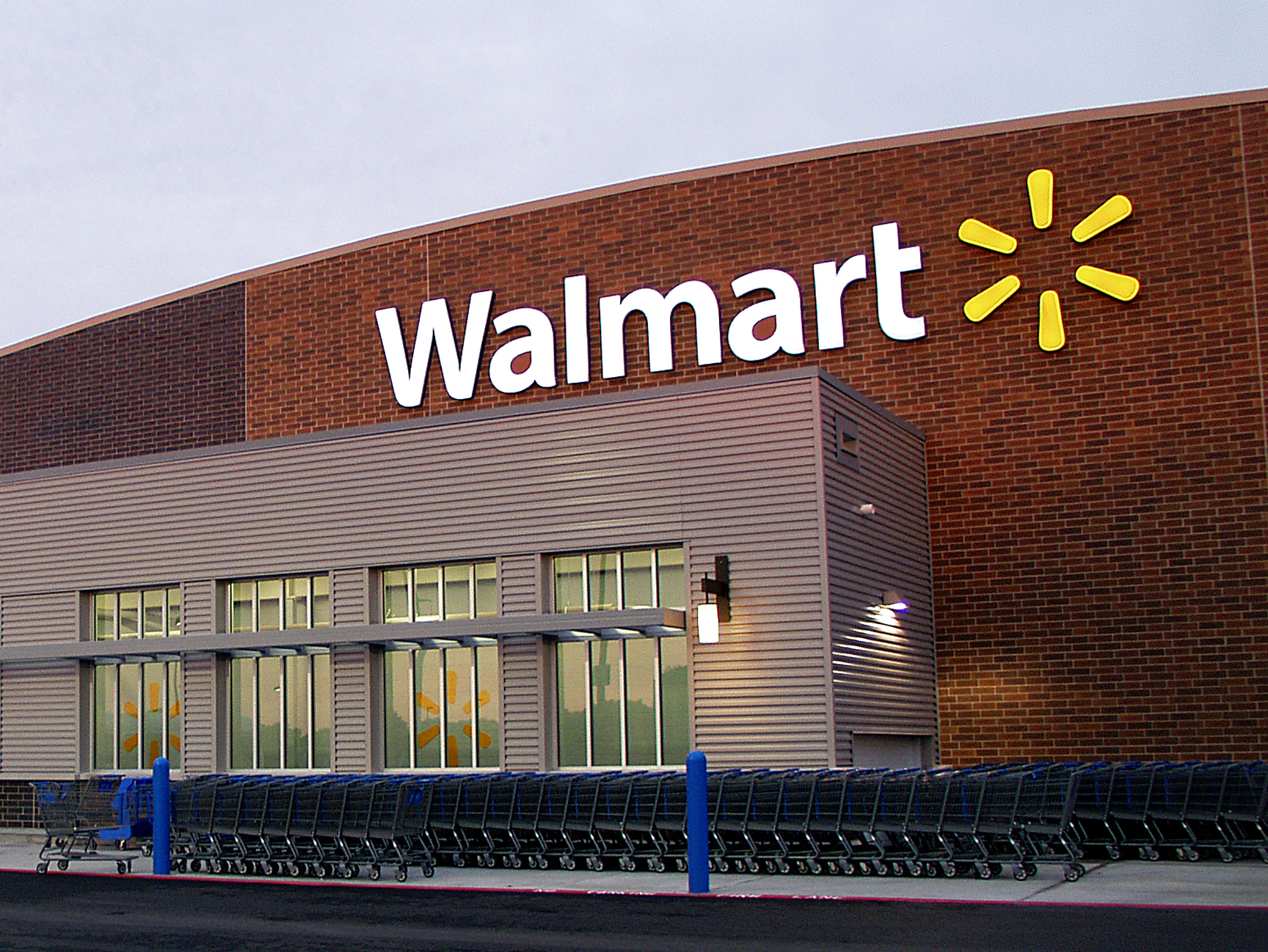
Walmart and Target are leading this charge with BOPIS (Buy Online, Pick Up In-Store) and curbside pickup. This strategy reduces shipping costs for the company and provides instant gratification for the consumer. The physical store is transforming from a distribution point into a “micro-fulfillment centre.”
Immersive Shopping: AR, VR, and the Death of the “Return”
One of the biggest profit-killers in e-commerce is the return rate, especially in home decor and fashion. Wayfair and The Home Depot are tackling this by integrating Augmented Reality (AR).

Instead of guessing if a sofa fits in a living room, customers can now project a 3D, true-to-scale model of the furniture into their space using a smartphone camera. This “try-before-you-buy” digital experience reduces buyer hesitation and slashes return rates.
As VR headsets become more mainstream, we can expect the emergence of “Virtual Malls,” where users can walk through a digital store, interact with 3D products, and chat with a live AI concierge in real-time.
The Circular Economy and the “Re-commerce” Boom
Modern consumers, particularly Gen Z and Millennials, are prioritizing sustainability over mindless consumption. This has breathed new life into platforms like eBay and Etsy, which facilitate the sale of vintage, refurbished, and handmade goods.
We are seeing a shift toward “Circular Commerce,” where brands build their own resale marketplaces. Instead of a customer selling a used item on a third-party site, the original brand facilitates the trade-in. This keeps the customer within the brand’s ecosystem and appeals to the eco-conscious shopper.
According to reports from industry leaders in resale, the second-hand market is expected to grow significantly faster than the broader retail sector over the next few years.
Logistics 2.0: The Race for the 15-Minute Window
The “Amazon Prime effect” has conditioned consumers to expect fast delivery. However, the new benchmark is “Instant Gratification.” Uber Eats and Instacart have already normalized the delivery of hot meals and groceries within an hour.
The next evolution involves autonomous last-mile delivery. We are moving toward a future of:
- Drone Delivery: Bypassing traffic for small, urgent packages.
- Sidewalk Robots: Autonomous pods delivering goods in dense urban environments.
- Dark Stores: Retail spaces closed to the public, optimized solely for rapid picking and packing.
Frequently Asked Questions
Will AI replace human customer service in e-commerce?
Not entirely, but it will change the role. AI will handle 90% of routine queries (tracking, returns, basic FAQs), while humans will step in for complex problem-solving and high-touch emotional support.
Is omnichannel retail only for big companies like Walmart?
No. Small businesses can implement omnichannel strategies by using integrated POS (Point of Sale) systems that sync their online store inventory with their physical shop in real-time.
How is AR actually reducing return rates?
AR reduces “perceptual gap”—the difference between how a product looks in a photo and how it looks in real life. When a customer can see the actual size and colour of a product in their own environment, they make more accurate purchasing decisions.
What do you think is the most annoying part of online shopping today?
Is it the shipping costs, the return process, or the endless scrolling? Let us know in the comments below! If you found this analysis helpful, subscribe to our newsletter for weekly deep dives into the future of retail.