
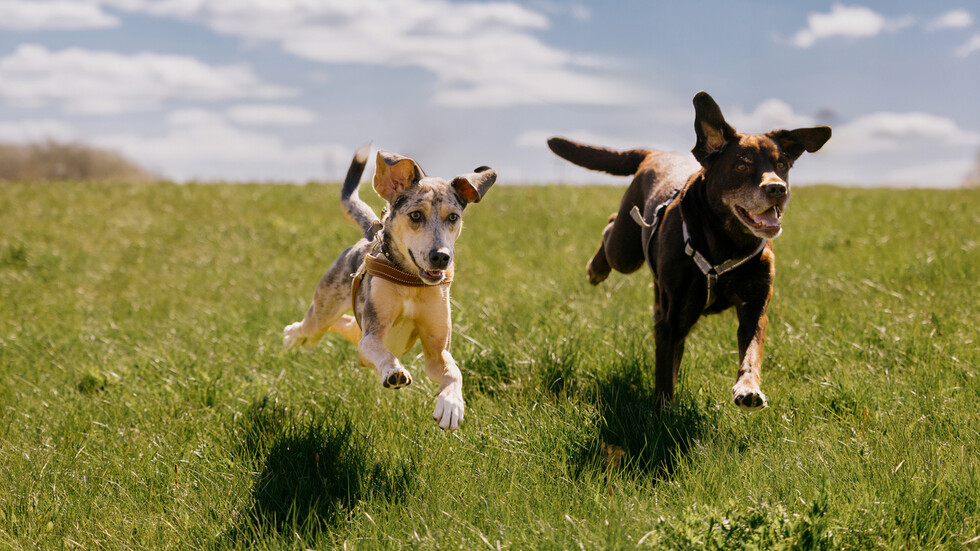
Top 5 Dog Breeds for Anxiety Relief
Dogs, particularly breeds like Golden Retrievers and Labradors, significantly reduce human anxiety by lowering cortisol levels and providing consistent emotional stability. According to the National Institute of Mental Health (NIMH), approximately 19.1% of US adults suffered from an anxiety disorder in the past year, driving a surge in the use of therapeutic canine companions to supplement professional mental health treatment.
How do dogs actually lower anxiety levels?
It isn’t just about the “cute factor.” The biological impact of interacting with a dog is measurable. A 2019 study published in the journal Animals found that people who interacted directly with dogs experienced a much more significant drop in anxiety and a better mood shift compared to those who didn’t.
This happens because the bond between a human and a dog triggers the release of oxytocin—often called the “love hormone”—while simultaneously reducing cortisol, the body’s primary stress hormone. While canine companionship isn’t a replacement for clinical therapy, it acts as a powerful emotional buffer.
Which dog breeds are best for anxiety support?
Not every dog is a fit for every person. Dog expert Evan Doggett emphasizes that while many breeds provide comfort, the choice should depend on the owner’s specific needs and lifestyle. He highlights five breeds that excel in emotional support roles.
The Gold Standard: Labradors and Golden Retrievers
Labradors are prized for their eagerness to please and their high energy. For someone struggling with the lethargy or isolation that often accompanies anxiety, a Labrador’s enthusiasm encourages a routine. They push their owners to get outside and stay active, which is a core component of managing mental health.
Golden Retrievers, by contrast, are often more sensitive. Doggett describes them as “larger, fluffier Labradors” with a deeply loving nature. Their ability to read human emotions makes them a staple in professional therapy settings worldwide. You can read more about global mental health standards to see how these supports fit into broader care.
The Quiet Stability: Greyhounds and Newfoundlands
For those who find high energy overwhelming, Greyhounds offer a surprising alternative. Despite their racing history, they are remarkably docile at home. Doggett notes that Greyhounds often form intense, singular bonds with one or two people, providing a sense of stability and a “quiet presence” that anchors an anxious owner.
Newfoundlands provide a different kind of comfort. Their massive size combined with a gentle disposition creates a feeling of security. Doggett refers to them as “giant little sunshines,” noting their inherent tenderness is why they are frequently used as certified therapy dogs.
The Dedicated Partner: Poodles
Poodles are often underestimated because of their groomed appearance, but their intelligence is their greatest asset. According to Doggett, Poodles are highly dedicated to their owners’ well-being once they are trained. Their history as service and guide dogs proves their ability to handle high-pressure situations with poise.
What are the future trends in canine-assisted mental health?
The relationship between dogs and mental health is evolving from “pet ownership” to “integrated therapeutic partnership.” We are seeing a shift in how society views the role of the animal in the clinic and the workplace.
One emerging trend is Precision Training. Instead of general therapy dogs, trainers are working to customize a dog’s response to specific anxiety triggers—such as panic attacks or sensory overload—allowing the dog to intervene before the human even realizes a crisis is peaking.
We are also seeing a rise in Corporate Canine Wellness. Forward-thinking companies are moving beyond “dog-friendly offices” to implementing structured “stress-relief hours” where certified therapy dogs are brought in specifically to help employees manage burnout and workplace anxiety.
Finally, there is a growing push for Insurance Integration. As the data from institutions like the NIMH becomes more widely accepted, there is a movement to have certified emotional support animals (ESAs) recognized as legitimate medical aids, potentially lowering the financial barrier for those who need them most. For more on managing stress, check out our guide on holistic stress management techniques.
Frequently Asked Questions
Can a dog replace professional therapy for anxiety?
No. According to experts and clinical guidelines, dogs provide significant emotional support and stress reduction, but they are a supplement to, not a replacement for, professional medical treatment.
Do all dogs help with anxiety?
While most dogs provide companionship, some breeds have temperaments better suited for therapy. Breeds with a high desire to please and a stable temperament, like Goldens or Poodles, are generally more effective.
What is the difference between a service dog and an emotional support dog?
Service dogs are trained to perform specific tasks (like alerting to a panic attack), while emotional support dogs provide comfort through their presence alone without requiring specialized task training.
Join the Conversation
Do you have a furry companion that helps you get through the day? Which breed do you think is the ultimate stress-buster? Share your stories in the comments below or subscribe to our newsletter for more insights on health and wellness.