
Top Natural Wonders to Visit in Nevada
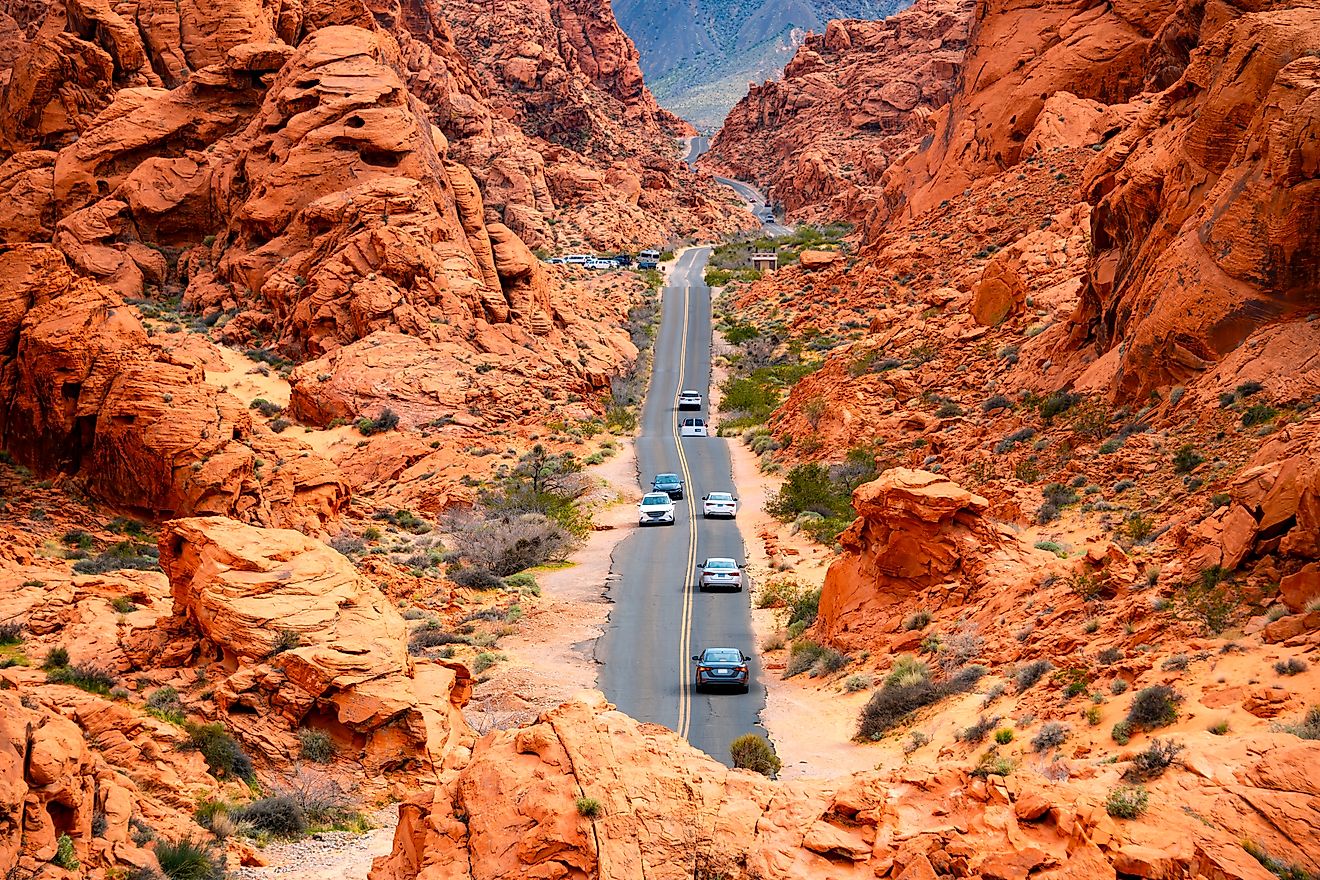
Nevada features a diverse array of natural landmarks, including the Valley of Fire State Park, Red Rock Canyon, Lake Tahoe, Sand Mountain, and the man-made Fly Geyser. These sites range from 150-million-year-old sandstone formations to alpine forests and geothermal anomalies, providing nature-based alternatives to the state’s urban centers.
What makes the Valley of Fire and Red Rock Canyon unique?
The Valley of Fire State Park, the state’s oldest park, contains over 40,000 acres of red Aztec sandstone formed roughly 150 million years ago. Records indicate the area holds petrified trees and petroglyphs dating back more than 2,000 years.
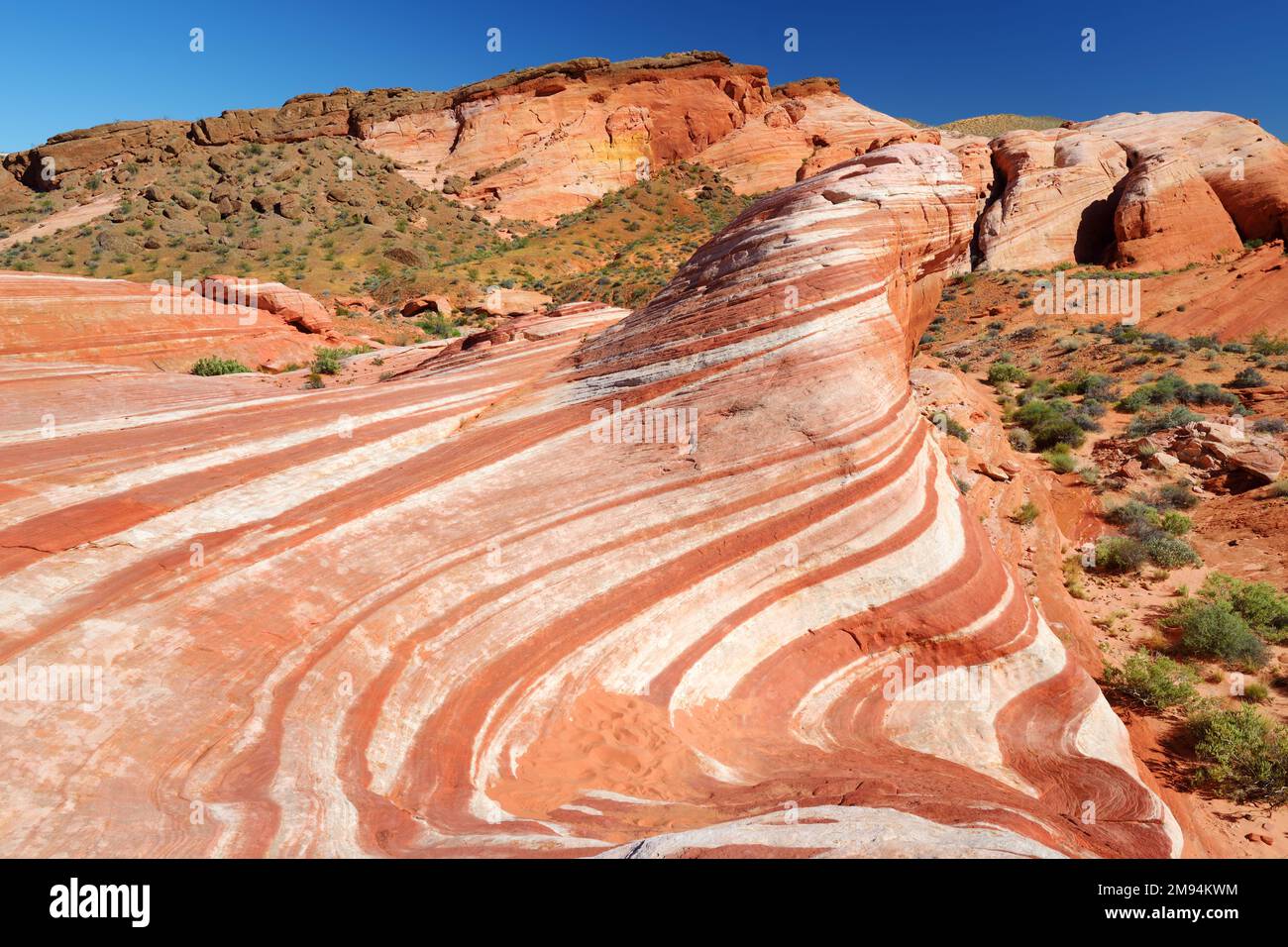
Visitors can hike the 3.2-mile Fire Wave, White Domes, and Seven Wonders Loop. Optimal visiting temperatures occur between October and April.
West of Las Vegas, the Red Rock Canyon National Conservation Area manages nearly 200,000 acres of sandstone cliffs, canyons, and pine forests. The area attracts over 2 million visitors annually.
Hiking options include the 2.2-mile Calico Tanks Trail and the 4.6-mile Turtlehead Peak Trail. The best months for visits are April, May, September, and October.
How do Lake Tahoe and Sand Mountain differ in appeal?
Lake Tahoe provides alpine scenery with evergreen pine trees and blue water. While mostly in California, the eastern portion is in Nevada, accessible via Incline Village, Crystal Bay, and Zephyr Cove.
The lake sits 25 minutes from Carson City. Summer activities include swimming and using the Zephyr Cove Resort marina, while winter visitors use nearby ski resorts.
In contrast, Sand Mountain consists of 4,795 acres of dunes east of Fallon. The 600-foot, two-mile-long dune originated from Lake Lahontan, a prehistoric lake that dried over 9,000 years ago.
The site is used for camping and off-roading. September and October are the recommended months for visits to avoid extreme heat.
What is the history of the Fly Geyser?
Located 127 miles north of Reno, the Fly Geyser is a man-made accident created by a geothermal power company in 1964. Thermophilic algae produce the site’s distinct red and green colors.
The Burning Man Project purchased Fly Ranch in 2016. The land is now a nature sanctuary with limited public access.
Guided tours are available on select Saturdays during spring, summer, and fall. Visitors typically visit between April and May or September and October for mild temperatures.
What happens next for Nevada’s natural sites?
Public access to the Fly Geyser may remain limited as the Burning Man Project continues to preserve Fly Ranch as a nature sanctuary.

The survival of the Sand Mountain Blue Butterflies likely depends on the continued presence of Kearney buckwheat in the region.
Seasonal tourism patterns suggest that visitor numbers at Lake Tahoe and Red Rock Canyon will continue to fluctuate based on weather, with peak activities shifting between summer water sports and winter skiing.
Frequently Asked Questions
When is the best time to visit the Valley of Fire?
The best time to visit is between October and April when temperatures are most favorable.
How was the Fly Geyser created?
It was created accidentally by a geothermal power company in 1964.
What is the size of the Red Rock Canyon National Conservation Area?
The area encompasses nearly 200,000 acres of desert, pine forests, and sandstone cliffs.
Which of Nevada’s natural wonders would you visit first?