
Traveller dies after contracting Murray Valley Encephalitis in WA
The Western Australia Health Department confirmed one person died after contracting Murray Valley Encephalitis while traveling in the state’s north. The adult was likely exposed to the rare mosquito-borne virus in the West Kimberley in early May before passing away in a Perth hospital.
What is Murray Valley Encephalitis?
Murray Valley Encephalitis is a rare virus spread to humans via infected mosquitoes. According to the Western Australia Health Department, the virus is endemic to the northern part of the state.
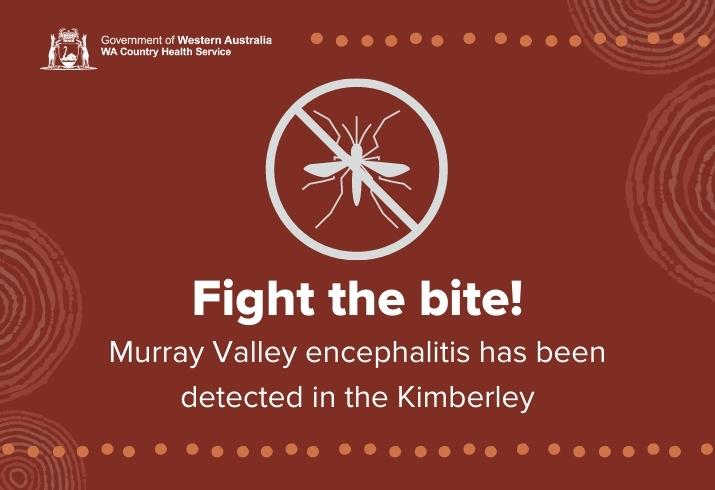
Managing scientist Andrew Jardine stated that many people who contract the virus show no symptoms or experience very mild ones. However, in rare cases, the virus causes encephalitis, which is swelling of the brain that can lead to brain damage or death.
What are the symptoms and risks?
Serious complications from the virus are rare, but they can cause lifelong symptoms. Dr. Jardine noted that symptoms of serious encephalitis may include swelling, headache, confusion, dizziness, nausea, and neck stiffness.
There is currently no vaccine available for the virus. Health officials urge anyone showing these signs, or symptoms of other mosquito-borne viruses like Japanese encephalitis, to seek medical advice immediately.
When is the risk highest for travelers?
The risk of infection is highest during and immediately following the wet season in the Kimberley and Pilbara regions. Dr. Jardine said this period of high activity could extend into July.
While most mosquitoes disappear during the dry season, some may remain active for several weeks. These mosquitoes could still infect people even after the primary wet season ends.
What may happen next?
Health officials may continue to warn residents and tourists as the winter travel surge begins. Because the virus risk could persist into July, the department is likely to maintain its surveillance of flavivirus activity.

Travelers visiting the West Kimberley and Pilbara may need to increase their use of mosquito protection to avoid infection, as the virus is known to be present in these areas.
Frequently Asked Questions
Is there a vaccine for Murray Valley Encephalitis?
No, according to the Western Australia Health Department, there is no vaccine.
Where is the virus most common in Western Australia?
The virus is endemic to the state’s north, specifically in the Kimberley and Pilbara regions.
How is the virus transmitted to humans?
The virus is transferred to humans through the bites of infected mosquitoes.
Do you take specific precautions against mosquito-borne illnesses when traveling to tropical regions?