
Treating elephantiasis cuts HIV risk in Tanzania
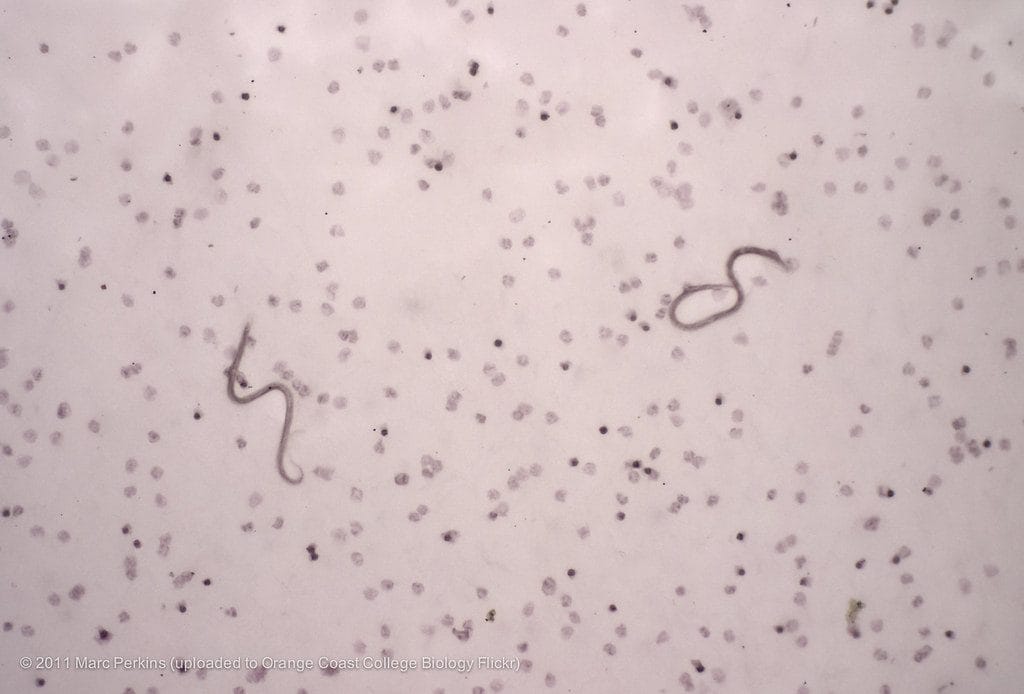
A mass drug campaign targeting lymphatic filariasis in southwest Tanzania resulted in a decline in new HIV infections, according to a study published in The Lancet HIV in May 2025. Researchers from LMU University Hospital in Munich, Germany, and the National Institute for Medical Research in Mbeya, Tanzania, found that eliminating the Wuchereria bancrofti parasitic worm may reduce vulnerability to HIV.
Why did treating elephantiasis reduce HIV infections?
The research focused on the elimination of Wuchereria bancrofti, the parasitic worm responsible for lymphatic filariasis. This condition is commonly known as elephantiasis. According to the researchers, removing this parasite could lower a person’s vulnerability to HIV.
What is the current status of HIV prevention strategies?
Little progress has been made to integrate these findings into official health policy. Researchers noted that a year has passed since the study’s publication in The Lancet HIV, yet lymphatic filariasis elimination has not been incorporated into HIV prevention strategies.

How could parasite treatment change HIV prevention in Africa?
Public health experts suggest that parasite treatment could be added to existing HIV prevention toolkits. This approach may play a larger role in prevention strategies across Sub-Saharan Africa. Such an integration is a possible next step for regional health authorities.
Frequently Asked Questions
Which parasitic worm was targeted in the Tanzania campaign?
The campaign targeted Wuchereria bancrofti, the worm that causes lymphatic filariasis, also known as elephantiasis.
Who conducted the research on HIV and lymphatic filariasis?
The study included researchers from the National Institute for Medical Research in Mbeya, Tanzania, and LMU University Hospital in Munich, Germany.
When were these findings published?
The findings were published in May 2025 in the journal The Lancet HIV.
Do you believe integrating parasite treatment into HIV toolkits could accelerate the end of the epidemic in Sub-Saharan Africa?