

Trinidad and Tobago Delegation Visits USS Nimitz to Strengthen Maritime Ties
The New Horizon of Maritime Diplomacy: How US-Caribbean Partnerships are Evolving
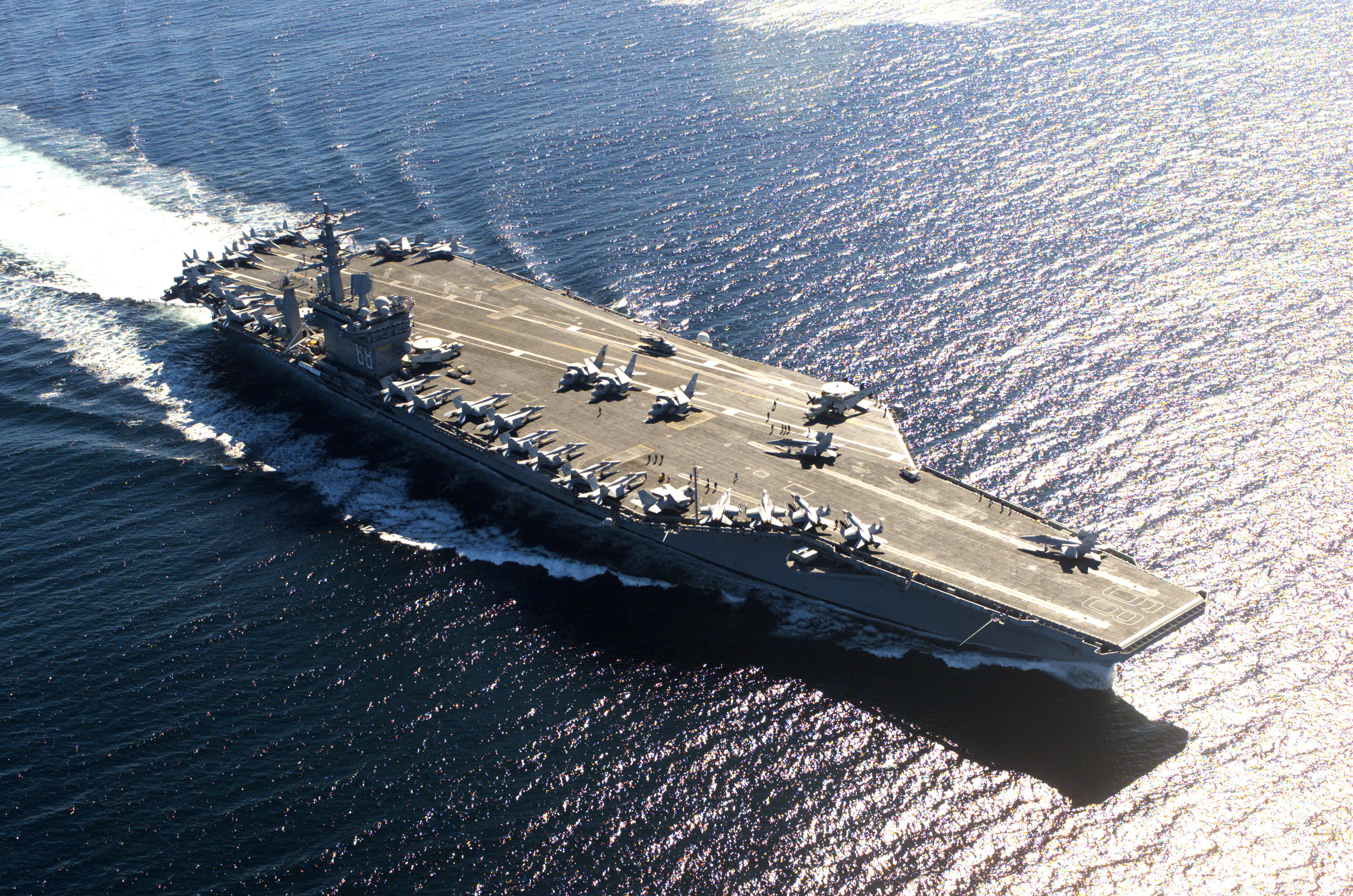
The recent visit of high-ranking Trinidad and Tobago officials to the USS Nimitz is more than just a diplomatic photo opportunity. It signals a strategic shift in how the United States and Caribbean nations approach regional stability. When ministers of defence, infrastructure and legal affairs step onto the deck of a nuclear-powered supercarrier, they aren’t just touring a ship—they are witnessing the blueprint for future maritime cooperation.
As the geopolitical landscape shifts, the “crossroads” position of nations like Trinidad and Tobago becomes vital. The intersection of the Caribbean and South America is a critical artery for global trade and a frontline for regional security. The future of this relationship will likely move beyond occasional exercises toward a state of permanent, integrated readiness.
The Shift Toward Integrated Maritime Domain Awareness
One of the most significant trends emerging from engagements like the Southern Seas exercises is the push for enhanced Maritime Domain Awareness (MDA). For years, maritime security relied on fragmented radar systems and manual reporting. The future, however, lies in a networked approach.
We are moving toward a “shared picture” environment where US Southern Command (SOUTHCOM) and regional partners utilize AI-driven surveillance and satellite data in real-time. This allows for the rapid identification of “dark targets”—vessels that turn off their Automatic Identification Systems (AIS) to smuggle illicit goods or engage in illegal fishing.
By integrating the capabilities of massive assets like the Nimitz-class carriers with the agile coastal patrols of Caribbean nations, the region can create a layered defence system. This synergy ensures that no matter the scale of the threat—be it a natural disaster or a security breach—the response is proportional and immediate.
The Role of “Dual-Use” Naval Assets
While the USS Nimitz is a powerhouse of projection, its future utility in the Caribbean is increasingly tied to Humanitarian Assistance and Disaster Relief (HADR). With the increasing frequency of extreme weather events in the Atlantic, the ability of a carrier strike group to act as a floating city—providing power, clean water, and medical care—is invaluable.
Future trends suggest that naval exercises will place more emphasis on “civil-military” cooperation. We will likely see more joint training between naval engineers and regional infrastructure ministers to streamline the deployment of aid during crises.
For more on how these partnerships function, explore our Regional Security Analysis or visit the official U.S. Southern Command portal.
The “Human Bridge”: Leveraging Diaspora in defence
A subtle but powerful trend highlighted during recent diplomatic tours is the role of the diaspora. The presence of Trinbagonian-American sailors aboard US vessels serves as a living bridge between two nations. These individuals provide more than just technical skill; they offer cultural translation and trust.
In the coming years, we expect to see more formal “exchange programs” that leverage these connections. By fostering a generation of officers who are comfortable in both the US and Caribbean military cultures, the “interoperability” mentioned by admirals becomes a human reality rather than just a technical goal.
Technological Convergence: Drones and Autonomous Systems
The era of relying solely on manned aircraft and destroyers is evolving. The next phase of US-Caribbean security will be defined by the integration of Unmanned Aerial Systems (UAS) and Unmanned Surface Vessels (USV).
Imagine a future where autonomous drones, launched from a carrier or a coastal base, provide 24/7 surveillance of the Caribbean basin, feeding data directly to regional command centers in Port of Spain or Georgetown. This reduces the cost of patrolling vast ocean territories and minimizes the risk to human personnel.
This technological leap will require new legal frameworks—hence why the inclusion of Legal Affairs ministers in high-level naval tours is so critical. Establishing “rules of engagement” for autonomous systems is the next great hurdle in maritime law.
Frequently Asked Questions
They build trust and standardize communication. When navies practise together, they develop a common “language” of operations, making it much faster to coordinate during actual emergencies or security threats.
Why is the “crossroads” location of Trinidad and Tobago important?
T&T sits between the Caribbean Sea and the Atlantic/South American coast. This makes it a strategic hub for monitoring traffic moving between the two regions, essential for counter-narcotics and trade security.
What is the purpose of a Carrier Strike Group in the Caribbean?
Beyond deterrence, these groups provide immense logistical support, air superiority for surveillance, and the ability to deploy massive amounts of aid quickly during natural disasters.
What does “interoperability” mean in a practical sense?
It means that a US destroyer and a Caribbean coast guard vessel can communicate on the same encrypted frequency, share a fuel source, and execute a coordinated intercept mission without confusion.
What do you think is the most critical threat to Caribbean maritime security today? Is it climate change, illegal trafficking, or geopolitical tension? Share your thoughts in the comments below or subscribe to our newsletter for more deep dives into regional security.