

Trump Accuses UK Germany Italy of Failing to Support US in Iran Tensions
Trump Accuses European Allies of Failing to Support U.S. During Iran Tensions
According to DPA, former U.S. President Donald Trump has accused the United Kingdom, Germany, and Italy of not supporting the United States during the country’s confrontation with Iran. The remarks were made ahead of the visit to Washington by NATO Secretary-General Mark Rutte, as reported by news.bg.
Trump stated in the White House that the U.S. has spent “huge sums” over the years to protect Europe but criticized key allies for not standing with Washington during the Iran conflict. He specifically named the UK, Germany, and Italy, saying, “We asked them to come, but they weren’t there.”
Specific Criticisms of NATO Allies
Trump’s comments highlight growing tensions within NATO over burden-sharing and strategic alignment. The U.S. has repeatedly criticized European allies for what it describes as insufficient support during the Iran crisis. The president also questioned future U.S. commitments to European security, stating that Washington spends “hundreds of millions of dollars annually” to protect European nations from Russia.
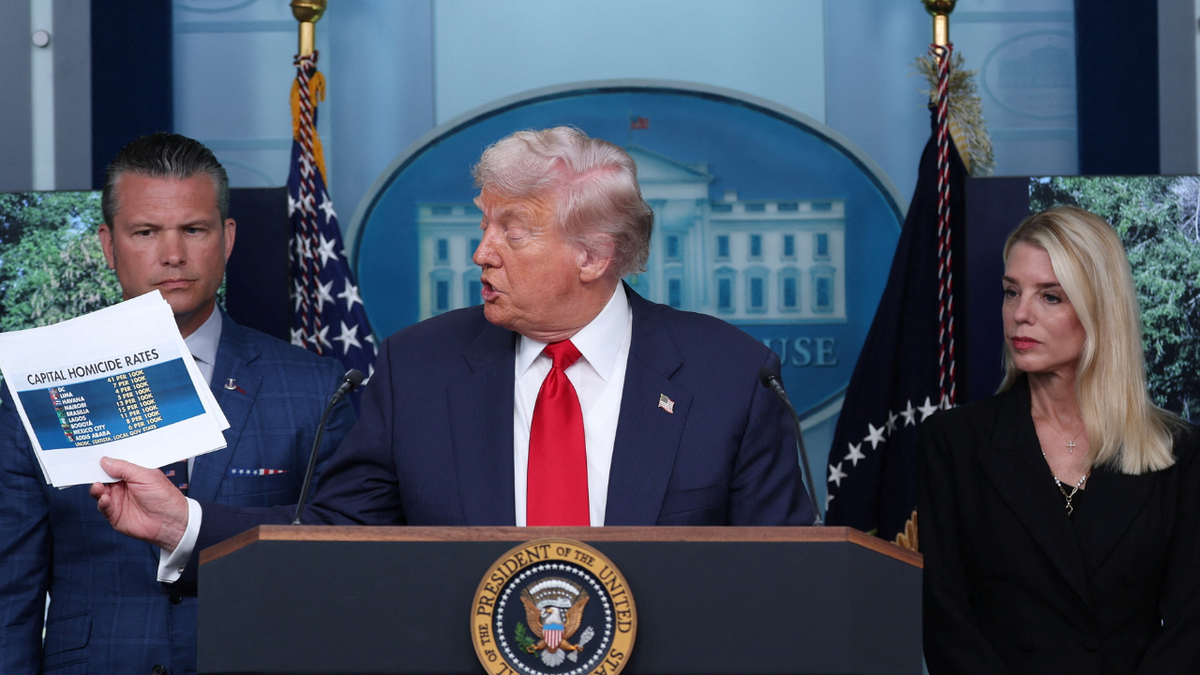
“If they aren’t willing to help on small issues, we may not be as eager to help them in the future,” Trump said, according to DPA.
NATO’s Financial Contributions and Future Implications
The U.S. has long argued that NATO members are not meeting defense spending targets, with Washington often citing the 2% GDP benchmark. However, recent reports suggest some European countries are reconsidering their stance on Iran, potentially complicating transatlantic relations.
According to a news.bg article, the UK, France, Germany, and Italy are reportedly considering lifting sanctions against Iran. The report states, “The regime of the ayatollahs will never acquire a nuclear bomb,” a statement that underscores the geopolitical stakes of the debate.
How This Impacts U.S.-Europe Relations
The potential shift in European policy on Iran could further strain U.S.-Europe ties. While the U.S. has imposed strict sanctions on Iran, some European nations have sought diplomatic engagement, raising concerns in Washington about coordinated actions that may undermine sanctions regimes.
“This could create a rift in the alliance if European countries act unilaterally,” said a NATO official, as cited in the news.bg report.
What’s Next for NATO and Transatlantic Alliances?
Rutte’s upcoming visit to Washington, scheduled from Tuesday to Thursday, will likely focus on these issues. The agenda includes meetings with Trump and other U.S. officials, according to the original article.
Analysts suggest that Trump’s comments reflect a broader pattern of criticism toward NATO, which he has previously called “obsolete.” The president’s remarks may pressure European leaders to address U.S. concerns about defense spending and strategic cooperation.
Did You Know?
The U.S. spends over $40 billion annually on NATO defense, according to the Pentagon. However, Trump has often argued that this funding disproportionately benefits European nations.
FAQ: Understanding the U.S.-Europe Rift
Why is Trump focusing on the UK, Germany, and Italy?
According to DPA, Trump specifically named these countries as examples of allies failing to support the U.S. during the Iran conflict. He has long criticized European nations for not meeting defense spending targets and for pursuing independent foreign policies.
What are the implications for NATO?
The tensions could weaken NATO’s cohesion, particularly if European members prioritize bilateral engagements with Iran over collective alliance goals. A news.bg article notes that some European countries are already exploring ways to ease sanctions, which may conflict with U.S. objectives.
How might this affect future U.S. support for Europe?
Trump’s remarks suggest a potential shift in U.S. policy, where support for European security could depend on allies’ willingness to back U.S. interests. This aligns with his “America First” approach, which prioritizes national interests over multilateral commitments.
Pro Tips for Staying Informed
Keep an eye on NATO’s official communications and U.S. defense budget reports for updates on military spending. Follow reputable news outlets like DPA and news.bg for in-depth analysis of transatlantic relations.
For a deeper dive, read the full news.bg article on European efforts to lift sanctions against Iran. Understanding these dynamics is crucial for grasping the evolving landscape of U.S.-Europe relations.
Got thoughts on this story? Share your insights below or explore more articles on global politics and diplomacy.