
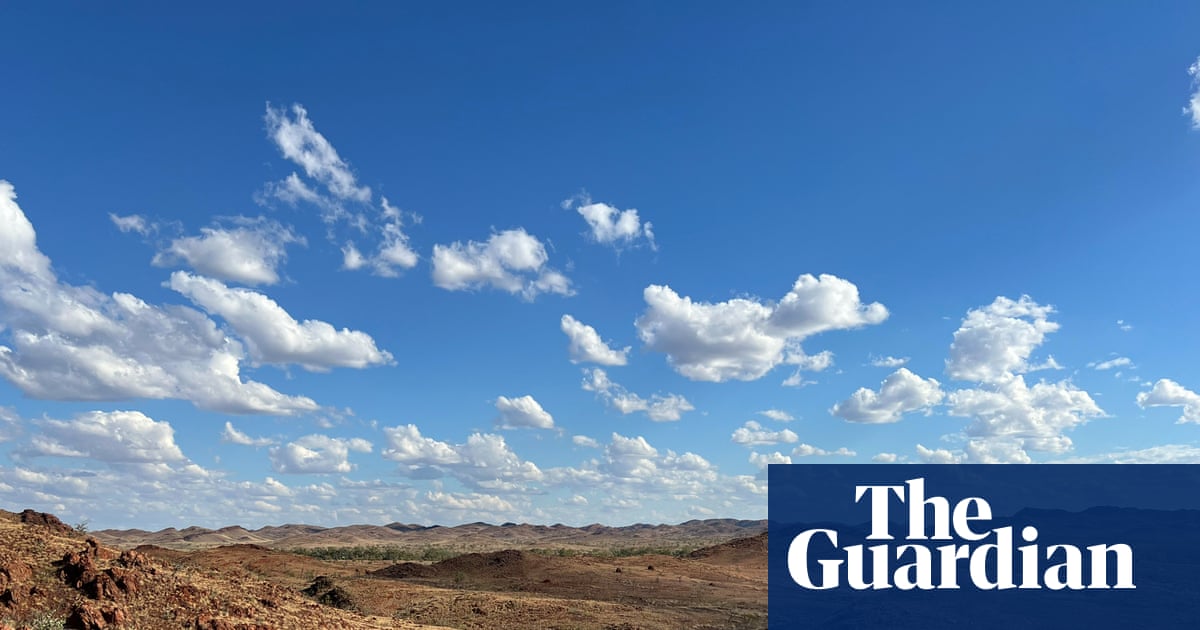
Scientists in Australia find ‘smoking gun’ evidence of world’s oldest meteorite strike | Geology
A meteorite strike three billion years ago created the world’s oldest known impact crater in Western Australia’s Pilbara region, according to research published in the journal Geology. Scientists from Curtin University identified the North Pole Dome site by analyzing rare “shatter cones” and mineral recrystallization patterns, surpassing the age of the 2.2-billion-year-old Yarrabubba crater previously held as the record-holder.
How did scientists confirm the crater’s age?
Researchers established the date of the impact using two distinct mineral dating methods. According to lead author Prof. Chris Kirkland of Curtin University, the team analyzed zircon grains embedded in basalt rock that had been altered by intense heat. These grains displayed “skeletal” patterns characteristic of high-energy lunar impacts. By using the Sensitive High-Resolution Ion MicroProbe (SHRIMP), the team dated these changes to approximately 3 billion years ago. A second analysis of apatite—a mineral that formed in the fractures caused by the strike—yielded a matching timeline, which Associate Professor Bruce Schaefer of Macquarie University described as the “smoking gun” for the site’s age.

Did you know? The North Pole Dome crater formed during the Archean eon, a time when Earth was primarily a “water world” with only small, emerging fragments of continental crust.
Why is the Pilbara region significant for geological history?
The Pilbara serves as a rare “deep time capsule” because it contains some of the oldest preserved rock formations on the planet. While Earth was frequently bombarded by meteorites during the Archean eon—much like the craters visible on the moon today—most evidence of these strikes has been erased by erosion, subduction, and shifting tectonic plates. According to Prof. Kirkland, these formations offer a unique archive of the violent processes that shaped the early Earth, providing a rare look at the environment where early life, such as cyanobacteria-based stromatolites, began to emerge.
How does this discovery compare to previous records?
Before this study, the Yarrabubba crater in Western Australia was widely cited as the oldest known impact site on Earth, dating back 2.2 billion years. The identification of the North Pole Dome crater pushes the timeline of documented terrestrial impacts back by roughly 800 million years. The following table highlights the shift in geological records:
| Crater Site | Estimated Age |
|---|---|
| North Pole Dome (Pilbara) | ~3.0 Billion Years |
| Yarrabubba | ~2.2 Billion Years |
Future trends in planetary impact research
The use of multi-mineral dating—combining zircon and apatite analysis—is expected to become a standard in identifying ancient impact sites that were previously thought to be unrecognizable. As geochemists refine these innovative techniques, experts anticipate that more “erased” craters may be identified in stable, ancient cratons across the globe. According to Associate Professor Schaefer, this detective work is essential for understanding the frequency of extraterrestrial impacts during the formative stages of the solar system.
Pro tip: When searching for impact evidence, geologists look for “shocked” minerals like zircon, which only transform into specific skeletal shapes under the extreme pressure of a meteorite collision.
Frequently Asked Questions
- Why are there so few ancient impact craters on Earth? Most craters have been destroyed by plate tectonics, volcanic activity, and surface erosion over billions of years.
- What is a shatter cone? It is a rare geological feature, often conical in shape, formed in rocks by the passage of a shock wave from a meteorite impact.
- How did life survive these impacts? Early life, such as stromatolites, existed in water, which provided some protection from the atmospheric and surface-level effects of smaller impacts.
Have questions about the geological history of the Pilbara or want to learn more about how we date ancient rocks? Leave a comment below or subscribe to our newsletter for the latest updates in planetary science.