
Trump Administration Proposes $300 Billion Economic Aid Plan for Iran
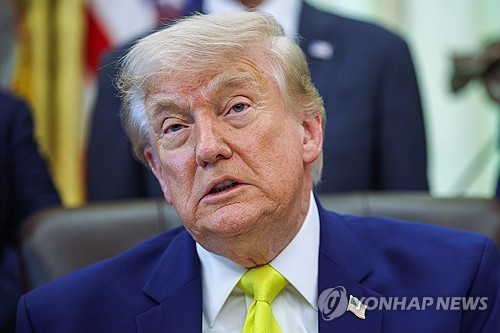
The United States and Iran have released a memorandum of understanding (MOU) outlining a plan to mobilize at least $300 billion toward Iranian economic development and reconstruction. While President Donald Trump previously criticized the 2015 Iran nuclear deal, or JCPOA, for providing financial benefits to Tehran, this new framework suggests a significantly larger economic scope. According to the MOU’s sixth article, the U.S. intends to work with regional partners to establish this funding, though President Trump stated at the G7 summit in Biarritz that the U.S. government will not directly contribute to the fund.
Did You Know? The 2015 nuclear deal under the Obama administration included the return of $1.7 billion in funds related to an unresolved pre-1979 arms transaction, alongside the release of $50 billion in previously frozen Iranian assets.
The Scope of the Proposed Economic Framework
The $300 billion reconstruction plan represents a substantial shift in potential economic engagement. Daniel Shapiro, a senior fellow at the Atlantic Council, noted that the scale of this support is far more extensive than previous efforts and appears designed to reintegrate Iran into the global economic system. While the U.S. government has clarified it will not be a direct financier, an administration official confirmed that the U.S. will participate in drafting the comprehensive blueprint for Iran’s economic recovery.
Contrasting Approaches and Policy Tensions
The development has drawn criticism regarding the consistency of U.S. foreign policy. Critics point out that President Trump labeled the $1.7 billion provided to Iran during the Obama administration as “giving away” money. By contrast, the current MOU proposes a figure many times larger, leading some analysts to describe the administration’s position as self-contradictory.
Expert Insight: The transition from the 2015 framework to this proposed $300 billion plan highlights the ongoing complexity of U.S.-Iran relations. The previous administration’s release of $50 billion in frozen assets was intended to appease Iranian internal factions, yet it faced intense backlash from U.S. conservatives and Israeli officials who alleged the funds were redirected toward ballistic missile development and regional proxies. Any new economic integration plan will likely face similar scrutiny regarding how such capital is monitored and utilized.
Potential Future Implications
If the proposed plan moves forward, it could fundamentally alter Iran’s economic trajectory compared to the 2015 agreement. Because the specific entities responsible for providing the $300 billion remain unclear, the project’s success may depend on the ability of the U.S. to coordinate with regional partners. Analysts suggest that the ultimate impact will be determined by whether this framework successfully addresses the long-standing concerns regarding Iranian military spending that hindered previous diplomatic efforts.
Frequently Asked Questions
What is the total value of the reconstruction plan mentioned in the MOU?
The memorandum of understanding outlines a plan for at least $300 billion in economic development and reconstruction funding.
Will the U.S. government provide the funding for this plan?
No. President Trump stated at the G7 summit that the U.S. government would not contribute funds to the initiative, though an administration official noted the U.S. will help develop the economic blueprint.
How does this compare to the 2015 nuclear deal?
The 2015 agreement involved the return of $1.7 billion in unpaid arms debts and the release of $50 billion in frozen assets, whereas the new proposal targets a minimum of $300 billion for reconstruction.
Could this new economic framework successfully navigate the political tensions that surrounded the 2015 nuclear agreement?