
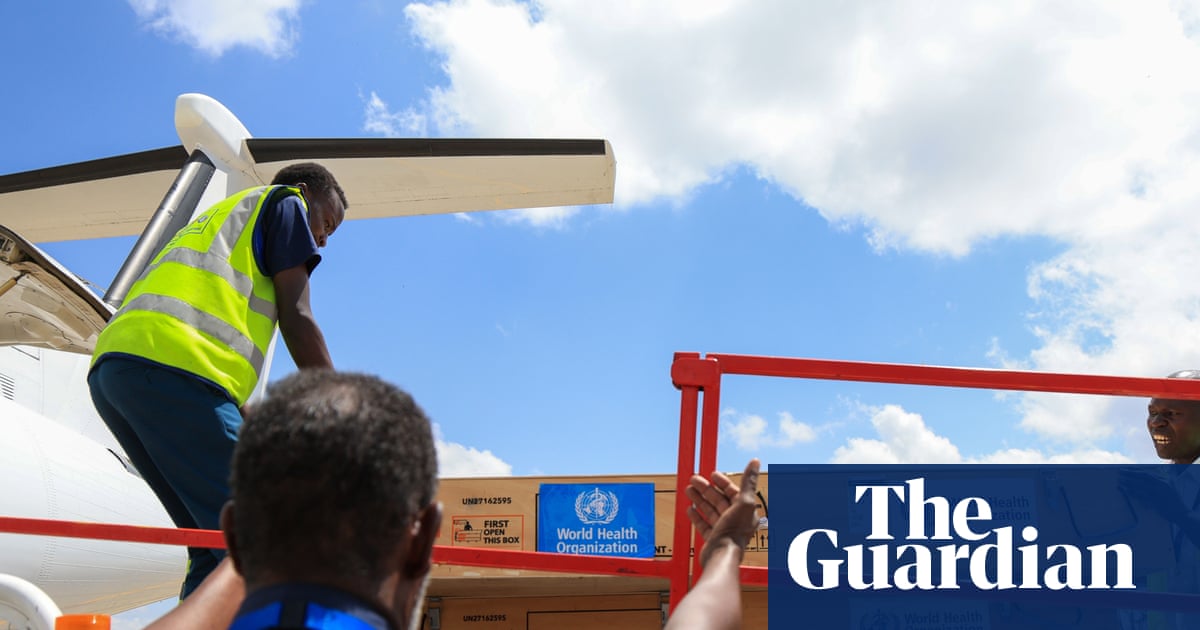
Trump Administration to Build Ebola Quarantine Center in Kenya for Americans
The White House has confirmed the establishment of a quarantine and treatment facility in Kenya for Americans exposed to Ebola in the Democratic Republic of the Congo (DRC). This centre is intended to provide high-quality care and quarantine services for those needing to leave the DRC quickly without the risks associated with lengthy transport to the United States.
According to a White House official, the facility will also treat Americans who contract the virus, including those with critical care needs. Each case will be evaluated for potential forward transport to more advanced care to maximize patient outcomes, though it remains unclear if such transport would be to the US or Europe.
Travel Restrictions and Entry Bans
Alongside the creation of the Kenyan facility, the US has implemented strict travel bans. Green card holders who have recently traveled to the DRC, Uganda and South Sudan are currently banned from returning home.
Other recent travelers to these three specific countries are also prohibited from entering the United States. The administration has not clarified whether Americans are permitted to return to the US if they choose not to go to the facility in Kenya.
Ethical Concerns and Health Implications
Medical experts have expressed significant concern regarding this strategy. Jennifer Nuzzo, an epidemiologist and director of the Pandemic centre at the Brown University School of Public Health, described the decision to prevent Americans from returning to taxpayer-funded biocontainment units as “shocking.”

Nuzzo highlighted profound ethical concerns, suggesting that without adequate plans for safe quarantine and prompt isolation, such facilities could potentially amplify the spread of the virus. She warned that the fear of not being able to return home could create disincentives for individuals to disclose exposure, which may drive cases underground.
Impact on Global Health Response
The prospect of being indefinitely prevented from returning to family and friends may discourage US experts from volunteering for outbreak responses. Historically, those caring for patients or organizing contact tracing and burial teams relied on the assurance that they could receive world-class care in the US if they became ill.
Jeremy Konyndyk, president of Refugees International and a former leader in the 2014-2015 USAID Ebola response, stated that this approach essentially tells American health workers they cannot come home if they get sick. He noted that during the 2014 outbreak, efforts were made to avoid travel bans because such measures could be counterproductive to ending the outbreak.
While the risks of transportation are considered extremely low for non-symptomatic individuals, the US maintains extensive experience in evacuating those who have tested positive for Ebola or other contagious pathogens.
Potential Future Scenarios
Given the current policy, fewer US medical experts may volunteer for containment efforts in the DRC. This shift in incentive could potentially hinder the speed of the outbreak response.
if individuals fear they will be barred from returning home, there is a risk that exposure cases may not be reported promptly. Such a scenario could lead to an increase in undetected transmissions, potentially complicating the overall effort to contain the virus.
Frequently Asked Questions
Where is the new quarantine facility located?
The facility is being built in Kenya to serve Americans affected by the Ebola outbreak in the Democratic Republic of the Congo.
Which countries are subject to the US travel ban?
The US has banned entry for recent travelers and green card holders who have visited the Democratic Republic of the Congo, Uganda, and South Sudan.
What is the risk of transporting non-symptomatic patients?
The risks of transportation are described as extremely low if a person is not symptomatic.
How do you feel about the balance between national security and the care of citizens abroad during a health crisis?