
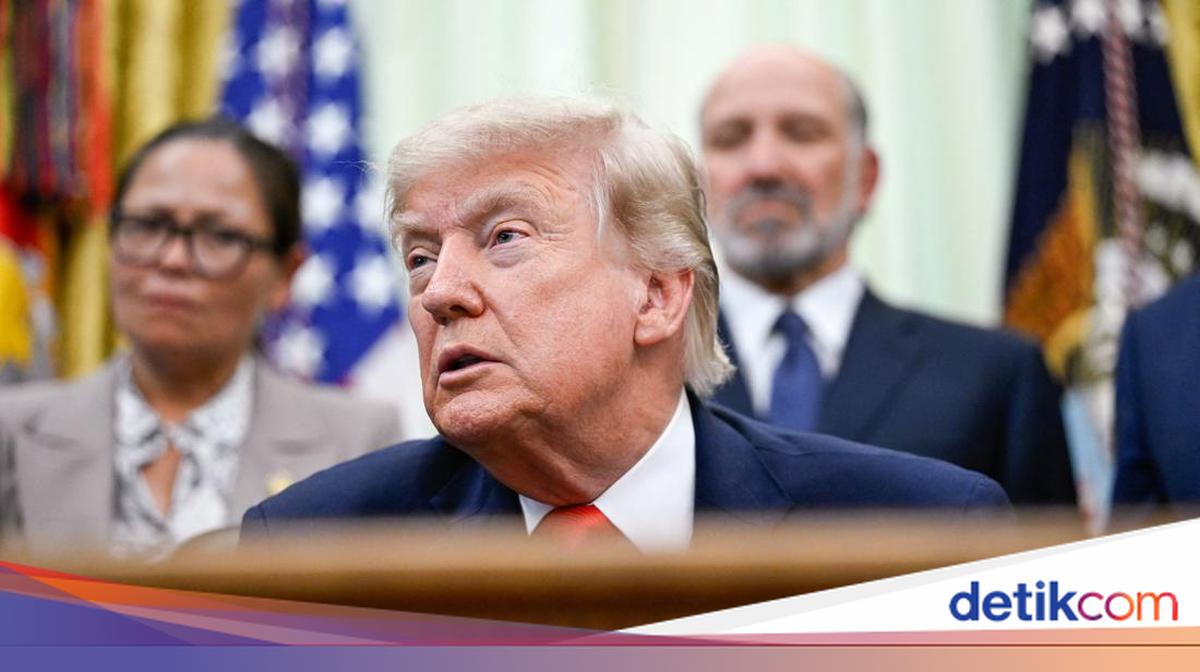
Trump Calls Netanyahu Difficult After US-Iran Peace Deal
US President Donald Trump and Iran have agreed to a peace deal to end their conflict, resulting in the immediate lifting of the US military blockade of the Strait of Hormuz. According to reports from CNN and Truth Social, the two nations will formally sign the agreement on June 19 in Switzerland following a diplomatic push supported by China and Russia.
Why is Donald Trump criticizing Benjamin Netanyahu?
President Trump described Israeli Prime Minister Benjamin Netanyahu as “a very difficult person” during a phone interview with The New York Times, as reported by CNN on June 15, 2026. Trump’s frustration stems from Netanyahu’s perceived lack of gratitude regarding the US-Iran peace negotiations.
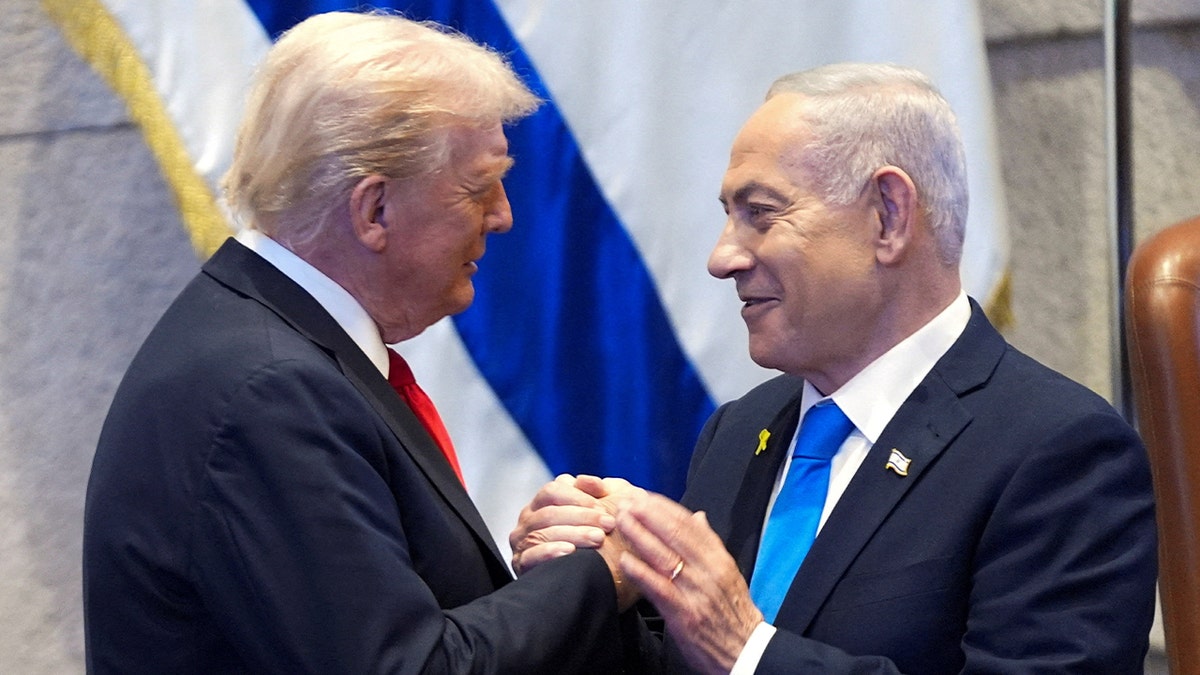
Trump specifically contrasted Netanyahu’s demeanor with that of Chinese President Xi Jinping and Russian President Vladimir Putin, whom Trump credited with helping resolve the tensions with Iran. The US President argued that the peace deal provides a massive security benefit to Israel.
According to Trump, the stakes were existential. He stated that if Iran had acquired nuclear weapons, Israel “would not have survived for two hours.” This tension follows several weeks of Trump openly criticizing Israel’s military actions in Lebanon, which he suggested interfered with US diplomatic efforts.
What is the status of the Strait of Hormuz?
The US military blockade of the Strait of Hormuz has officially ended. Trump announced the decision via Truth Social, stating he is authorizing the complete opening of the strait without the imposition of toll fees.
This move coincides with the broader peace agreement. Trump’s directive explicitly orders the “immediate withdrawal of the United States Navy blockade,” removing a primary point of military friction between Washington and Tehran.
The announcement followed a public statement from Pakistani Prime Minister Shehbaz Sharif, who first signaled that the US and Iran had reached a peace accord. Trump later confirmed Sharif’s report, noting that all necessary legal documents for the agreement are now finalized.
When will the US and Iran sign the peace agreement?
The formal signing ceremony is scheduled for June 19. The event will take place in Switzerland, a traditional neutral ground for high-stakes international diplomacy.
While the specific terms of the treaty aren’t fully public, the primary verified outcomes include the cessation of hostilities and the restoration of maritime access in the Persian Gulf. Trump’s administration frames this as a victory for global stability, though it has clearly strained the relationship between the US White House and the Israeli government.
Comparing Diplomatic Approaches
The current situation reveals a sharp contrast in how Trump views his global allies and rivals. Based on his comments to The New York Times, Trump views the cooperation of non-Western leaders (Xi and Putin) as more productive in this instance than the cooperation of a traditional ally like Netanyahu.
While the US and Israel typically align on Iranian containment, this deal suggests a shift toward a pragmatic, transactional diplomacy that prioritizes a signed agreement over the specific military preferences of the Israeli administration.
Frequently Asked Questions
Who first announced the US-Iran peace deal?
Pakistani Prime Minister Shehbaz Sharif first announced the agreement, which Donald Trump subsequently confirmed on Truth Social.

Where will the peace treaty be signed?
The signing will take place in Switzerland on June 19.
What happened to the US Navy blockade?
President Trump has ordered the immediate removal of the blockade in the Strait of Hormuz and stated there will be no toll fees for passage.
Why is Trump upset with Benjamin Netanyahu?
Trump believes Netanyahu has been “difficult” and should be grateful for the peace deal, arguing that it prevents a nuclear-armed Iran from threatening Israel’s existence.
Stay Updated on Global Diplomacy
Do you think the US-Iran peace deal will permanently stabilize the region, or is it a temporary fix? Let us know in the comments below or subscribe to our newsletter for real-time geopolitical analysis.